I happened to find information about the Education Korea Expo through Instagram.
Last year, it overlapped with another event so I couldn’t go, which made me really want to go this year.
So I made a reservation right away.
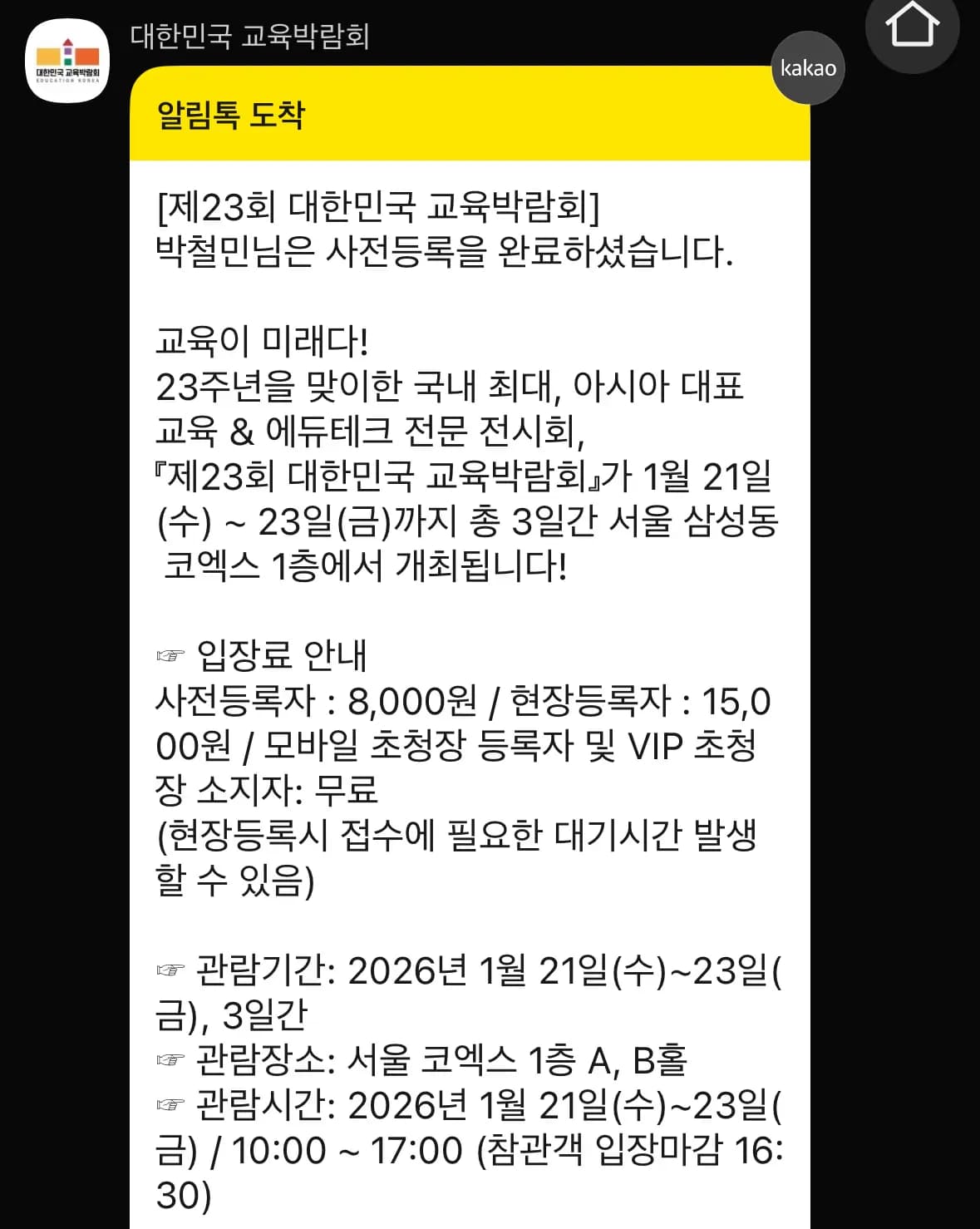
The admission fee is 8,000 won for pre-registrants and 15,000 won for on-site registration.
Someone I know told me that teachers could enter for free, but that wasn’t the case this year.
1. Issuing the Ticket
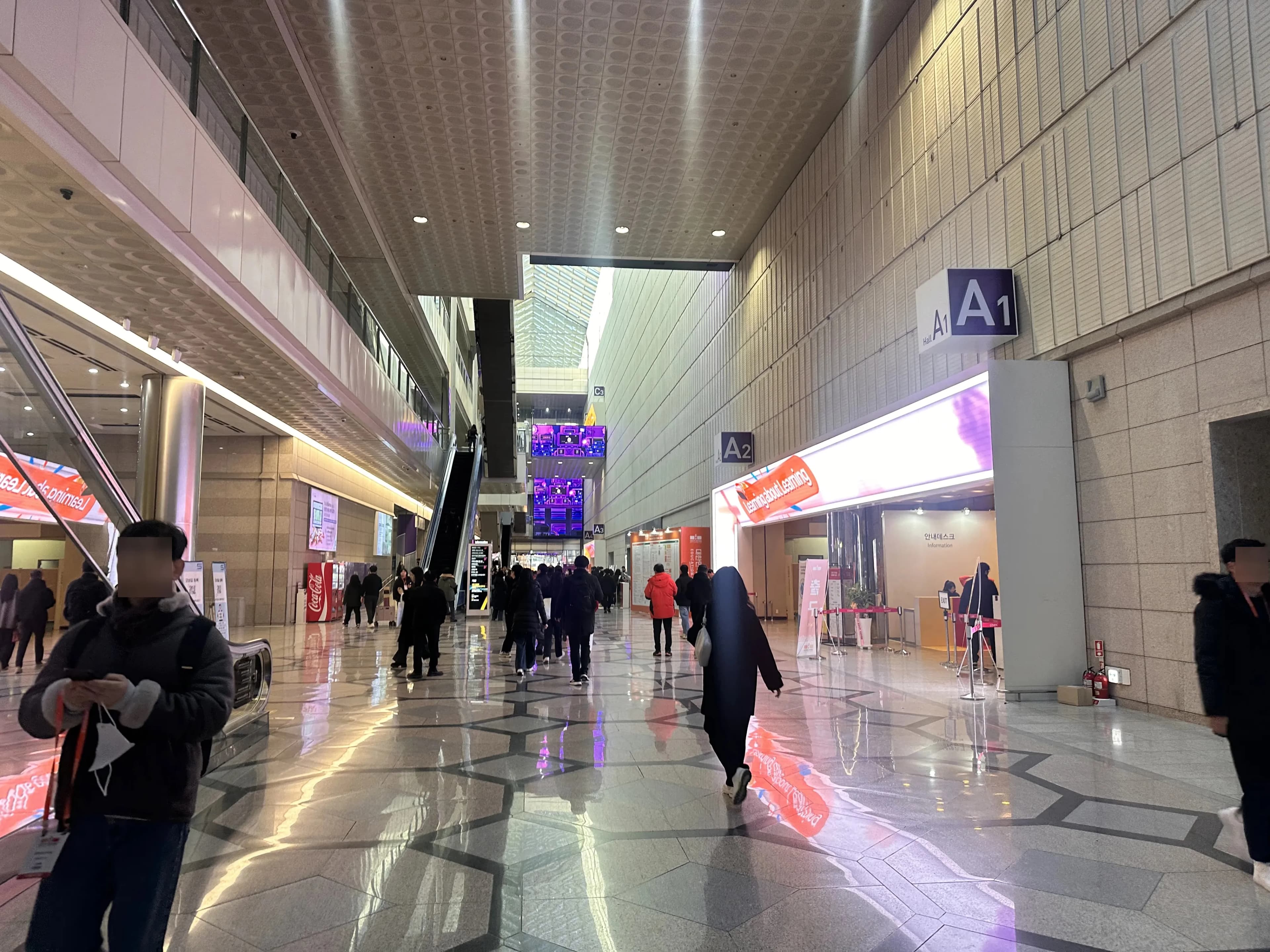
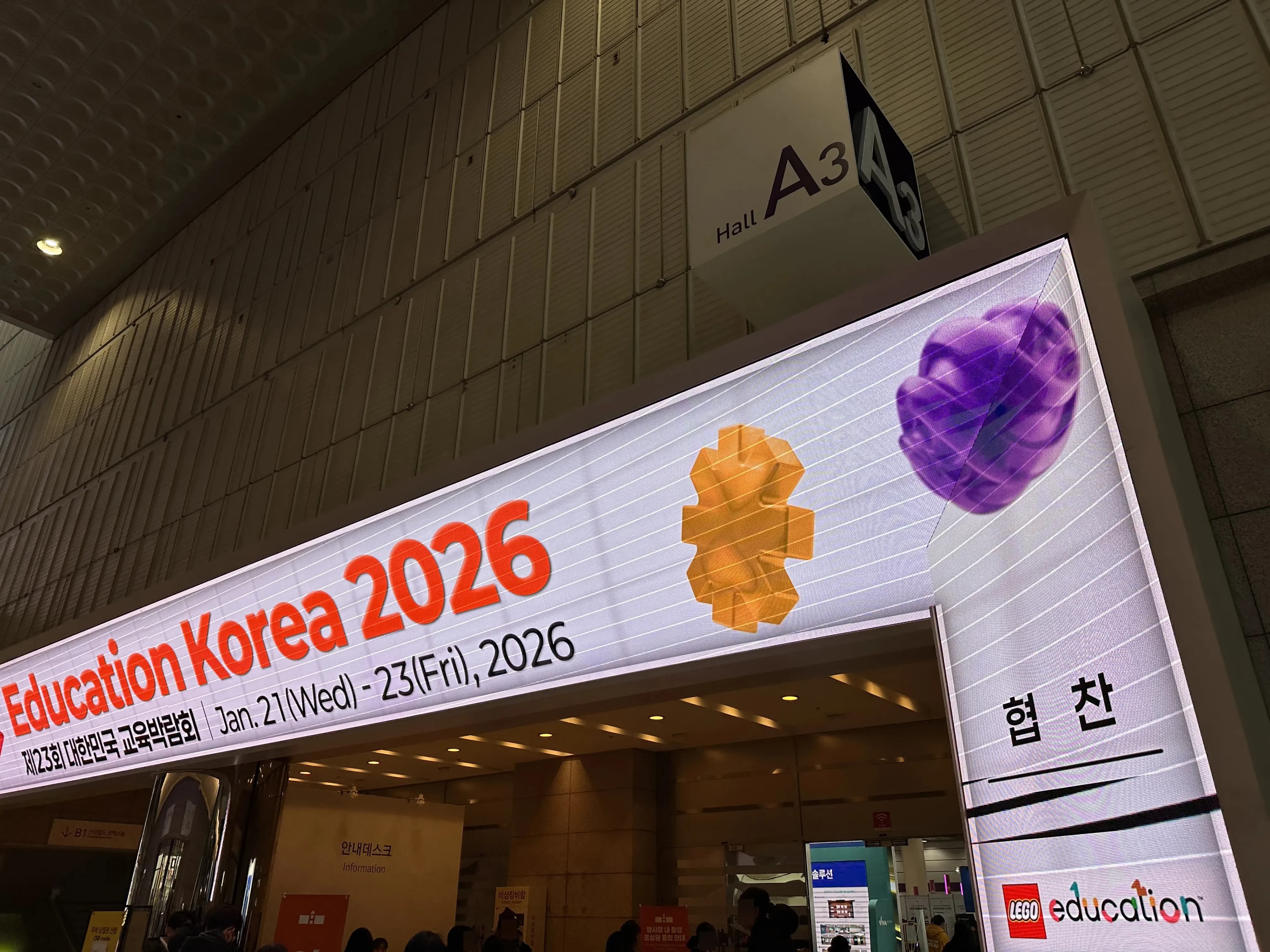
This year’s event was held in Halls A and B on the first floor of COEX.
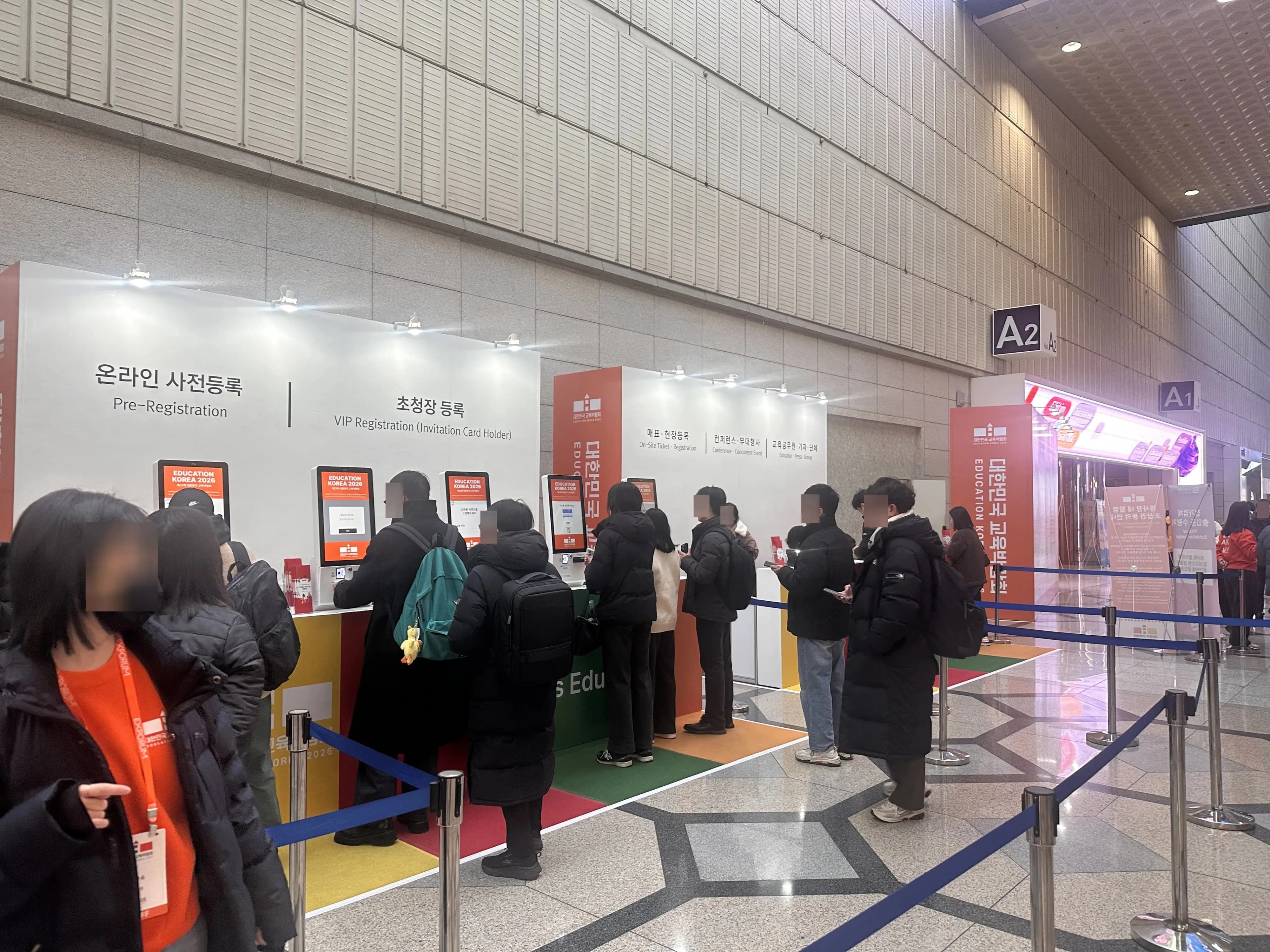
You could get your admission ticket at the counter located between Halls A and B.
If you follow the link you receive via KakaoTalk, you can get your pre-registration QR code.
When you scan this QR and make the payment, a sticker is printed out.
I stuck it on a lanyard and wore it around my neck.
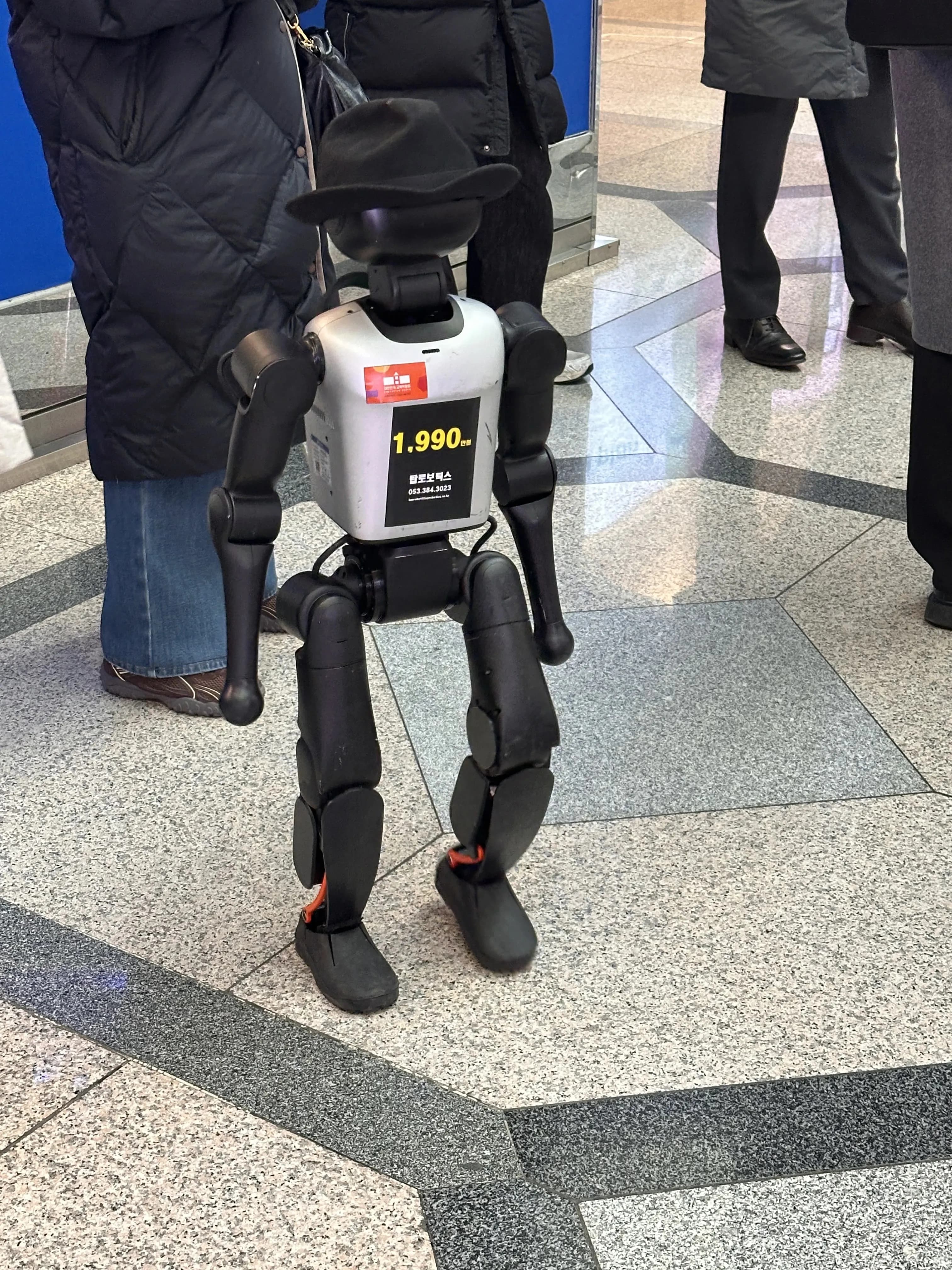
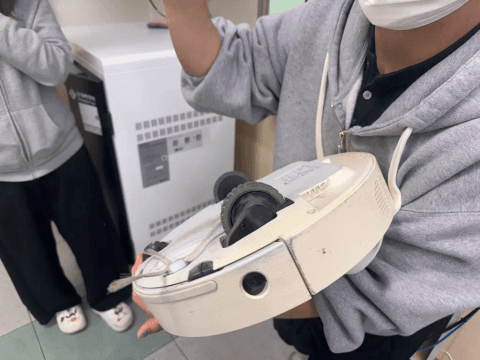
There was a robot walking around in front of the entrance greeting people, so I took a picture of it.
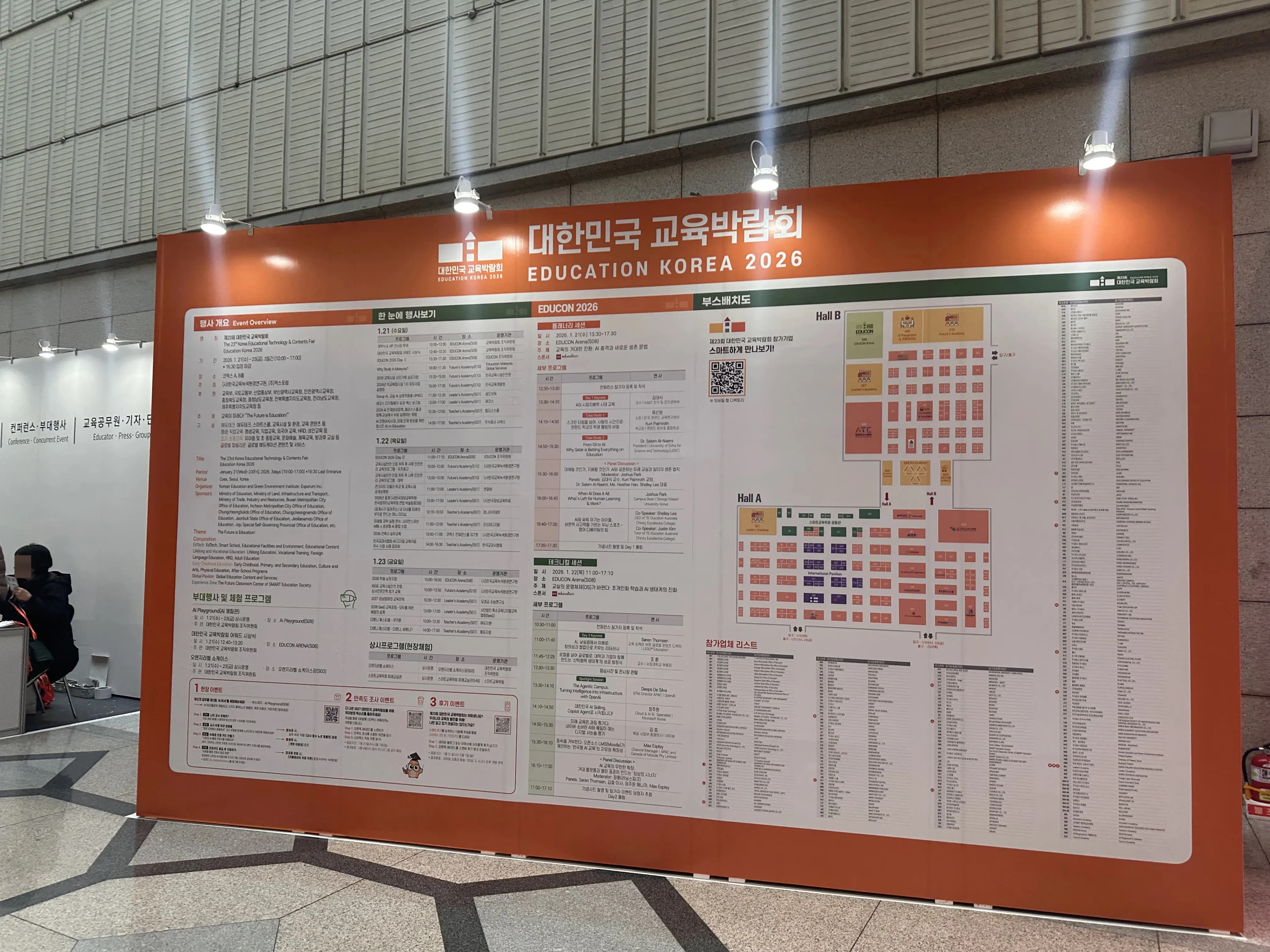
2. Education Korea Expo
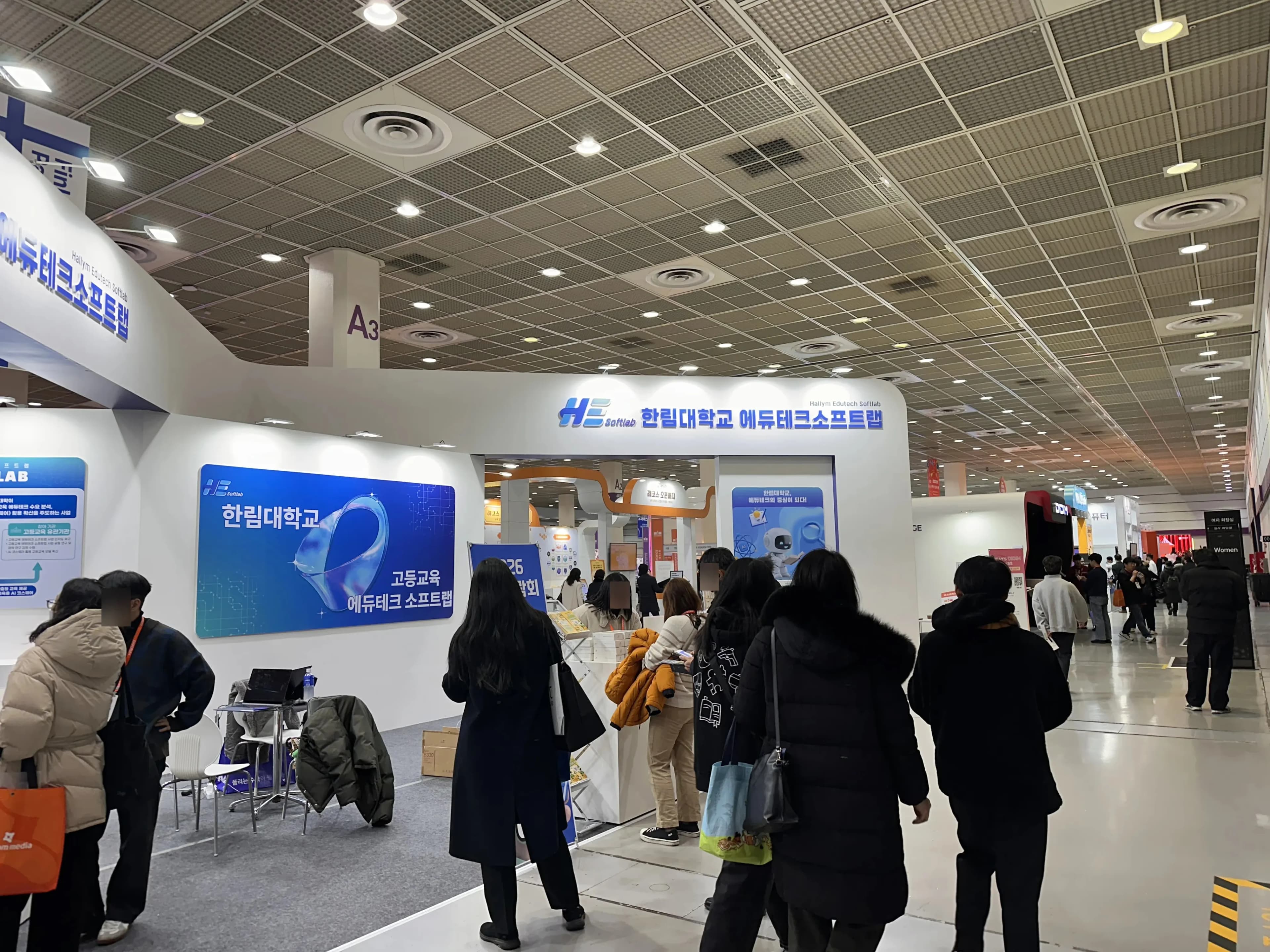
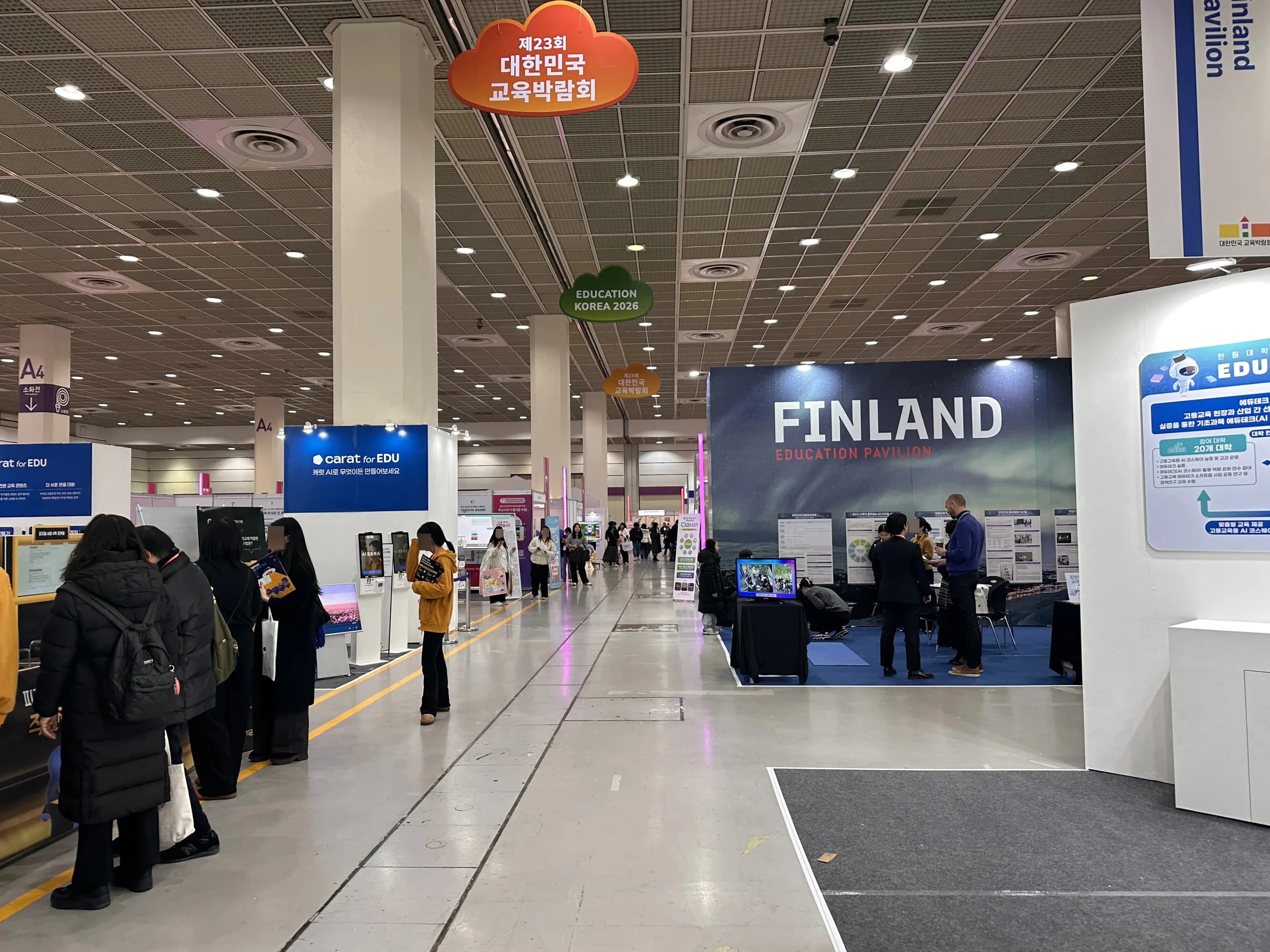
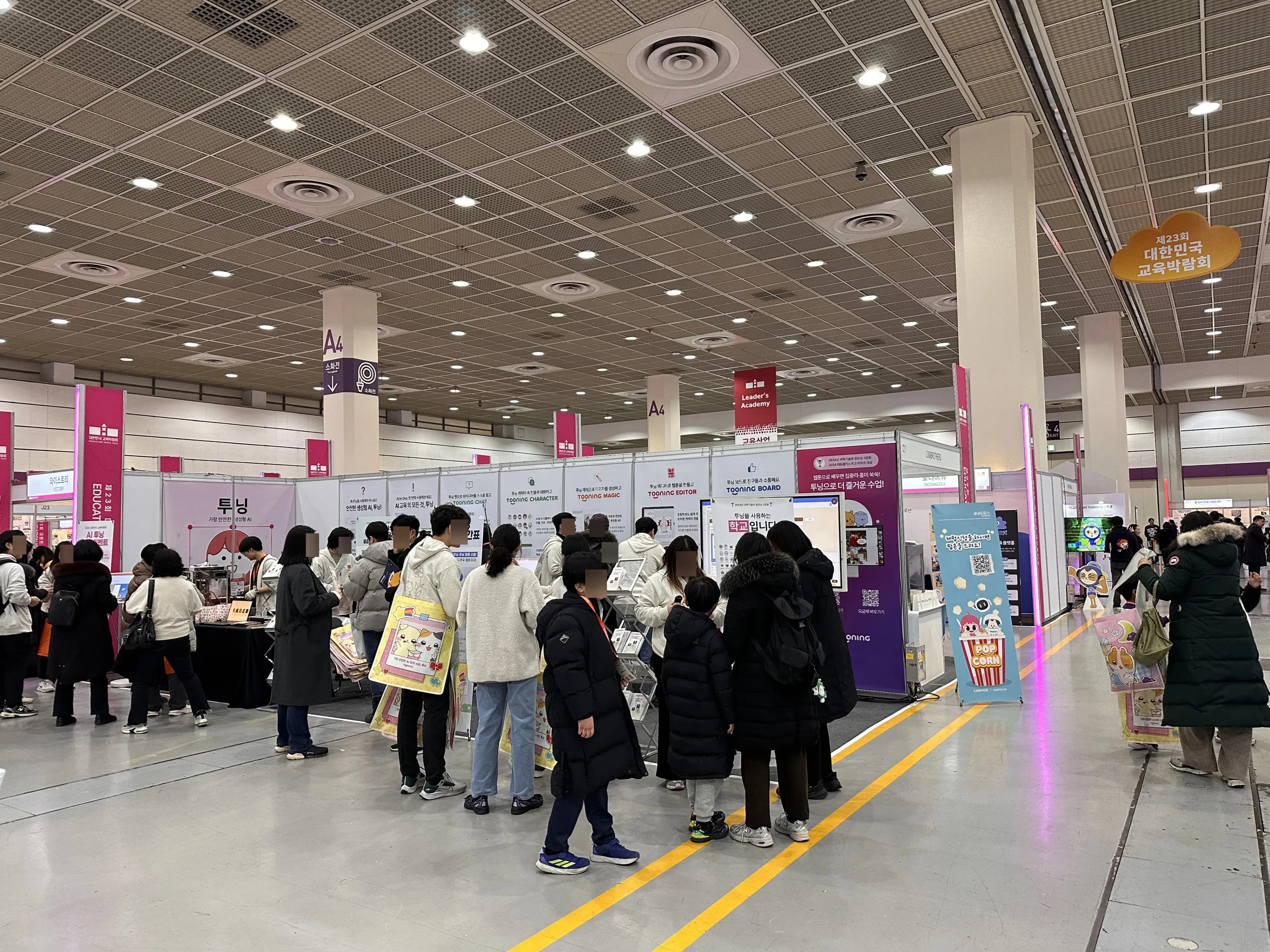
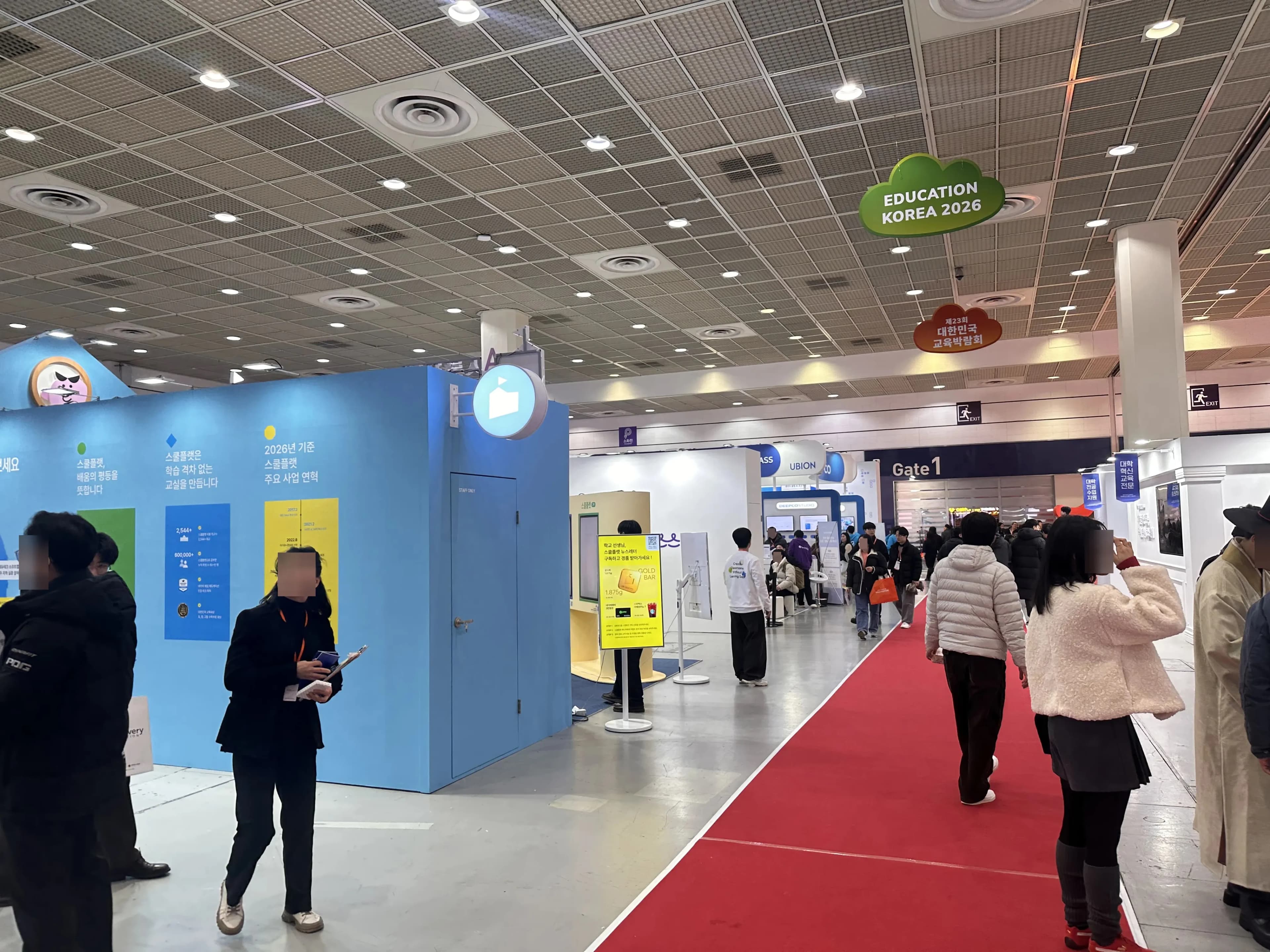
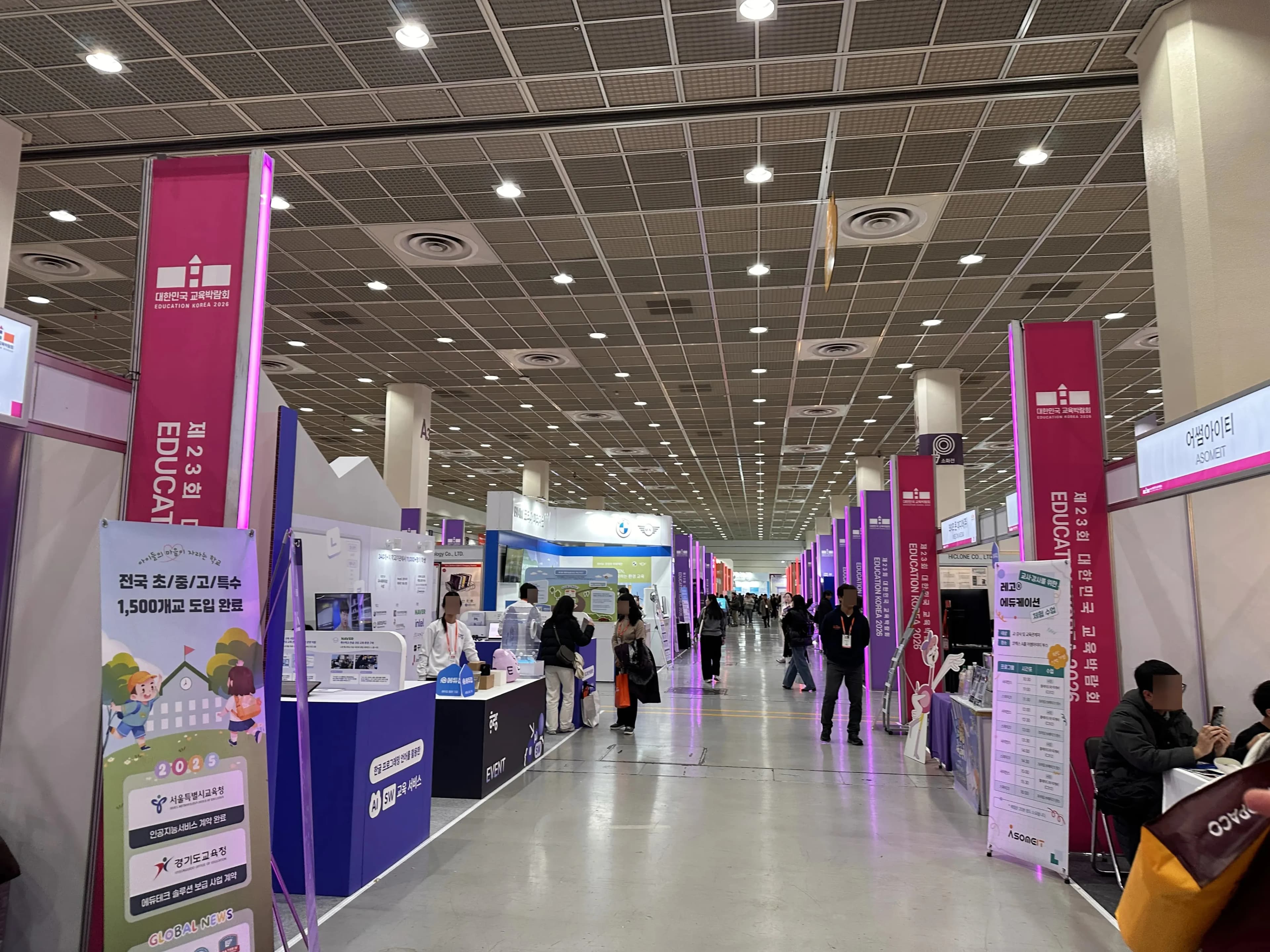
As soon as I entered, it was so huge that I had no idea where to start.
So I walked straight in and first looked around to see if there were any companies I was familiar with.
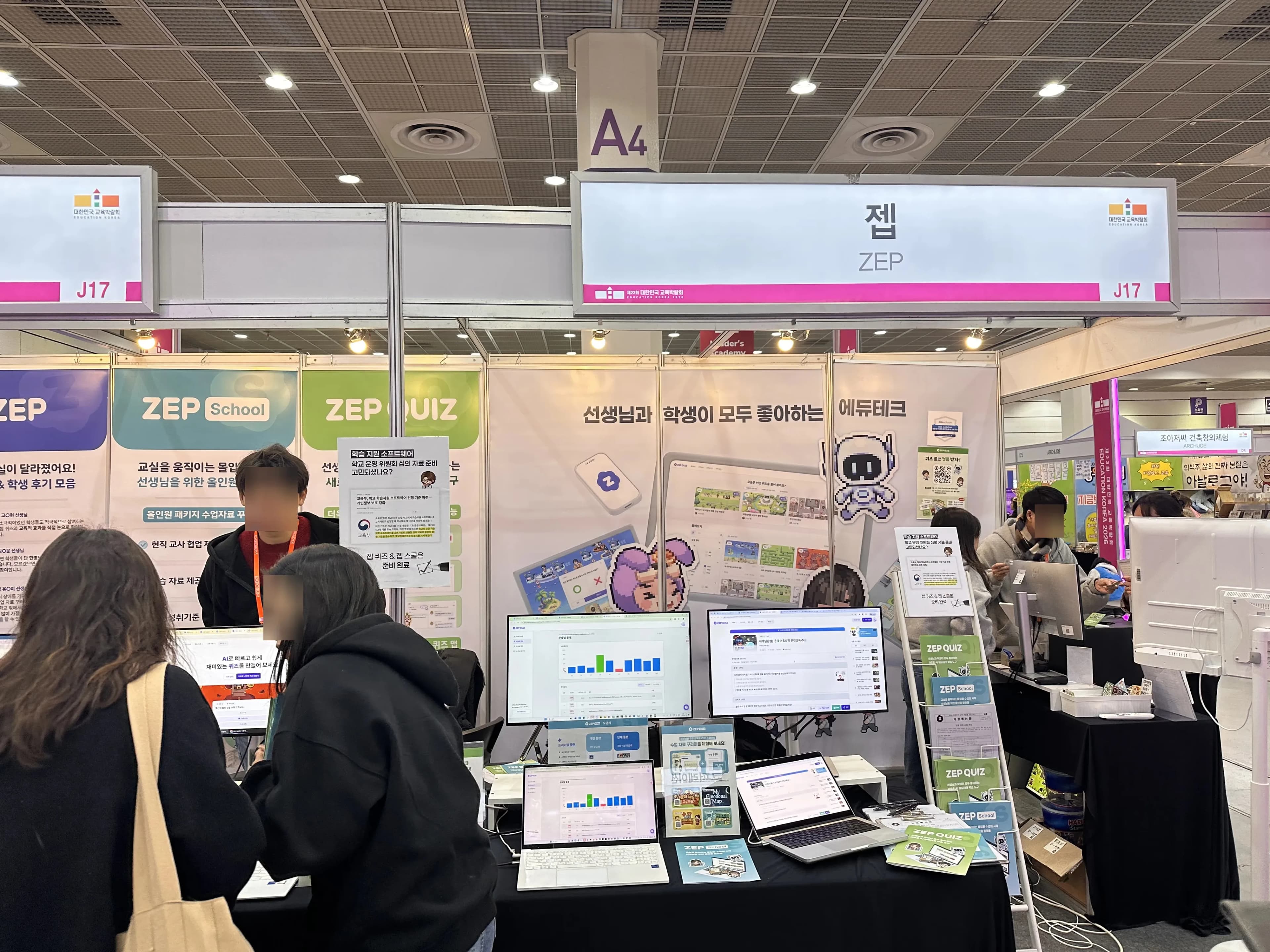
As I went in, I stopped in front of ZEP.
During COVID, I used their metaverse edtech service to create maps and do quiz activities with the kids.
I solved a short quiz at the booth and got some stickers to put on my laptop.
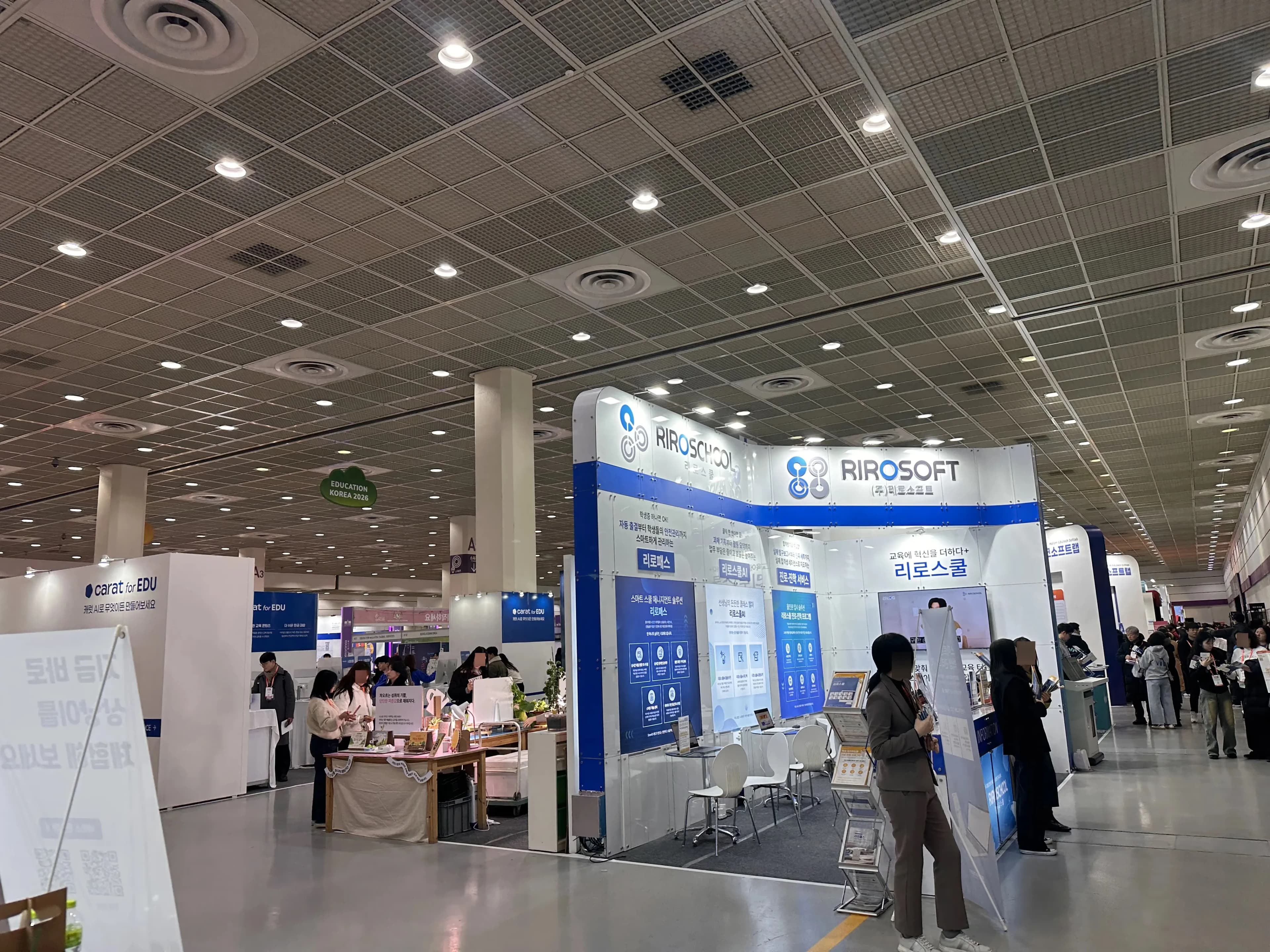
At Rirosoft, I was introduced to Riroschool’s college admissions–related system.
Our school is using Riroschool this time, so I was curious about what additional services they offer.
It was mainly a student record consulting service for 1st- and 2nd-year students.
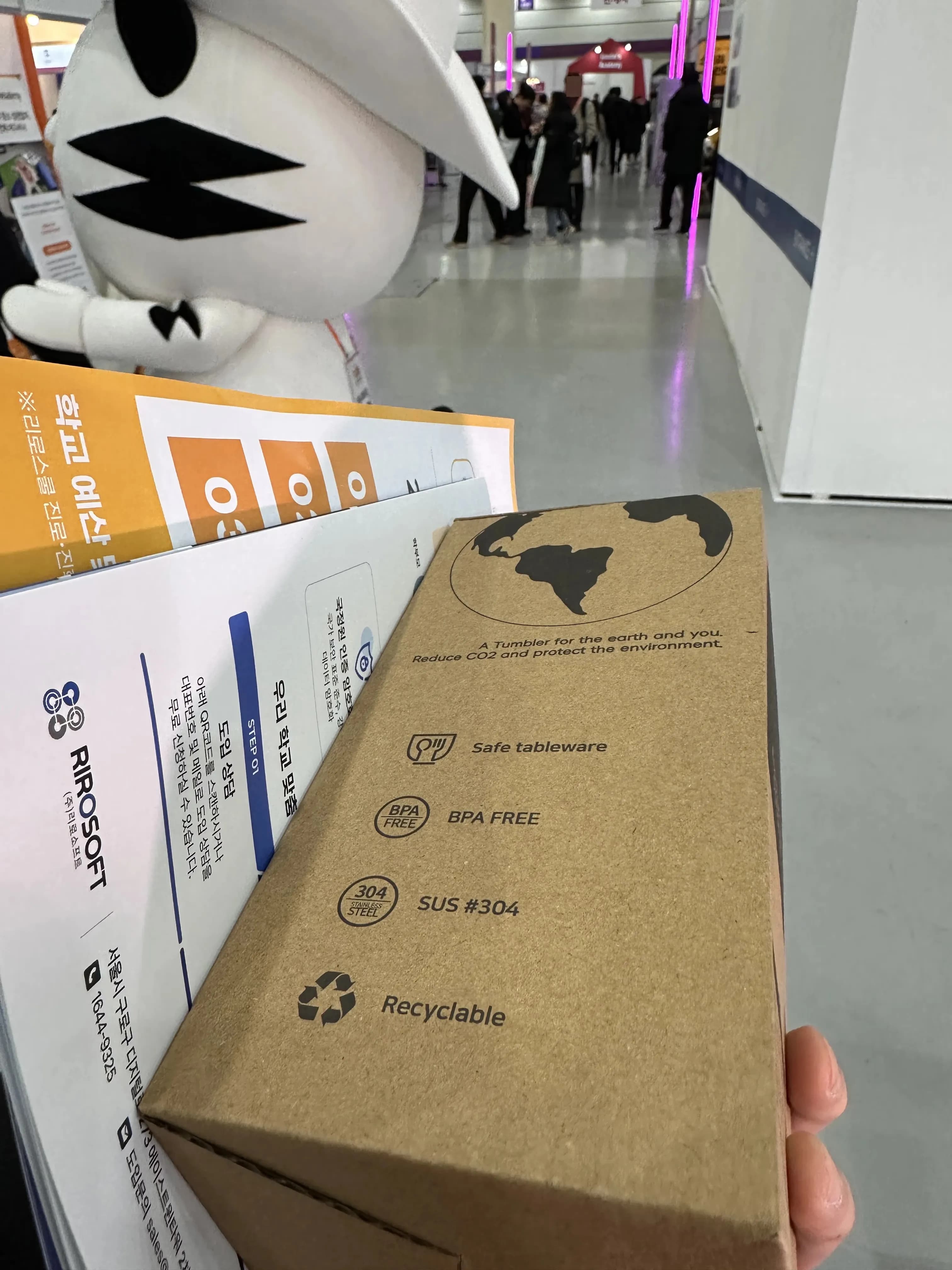
And I also got a tumbler.
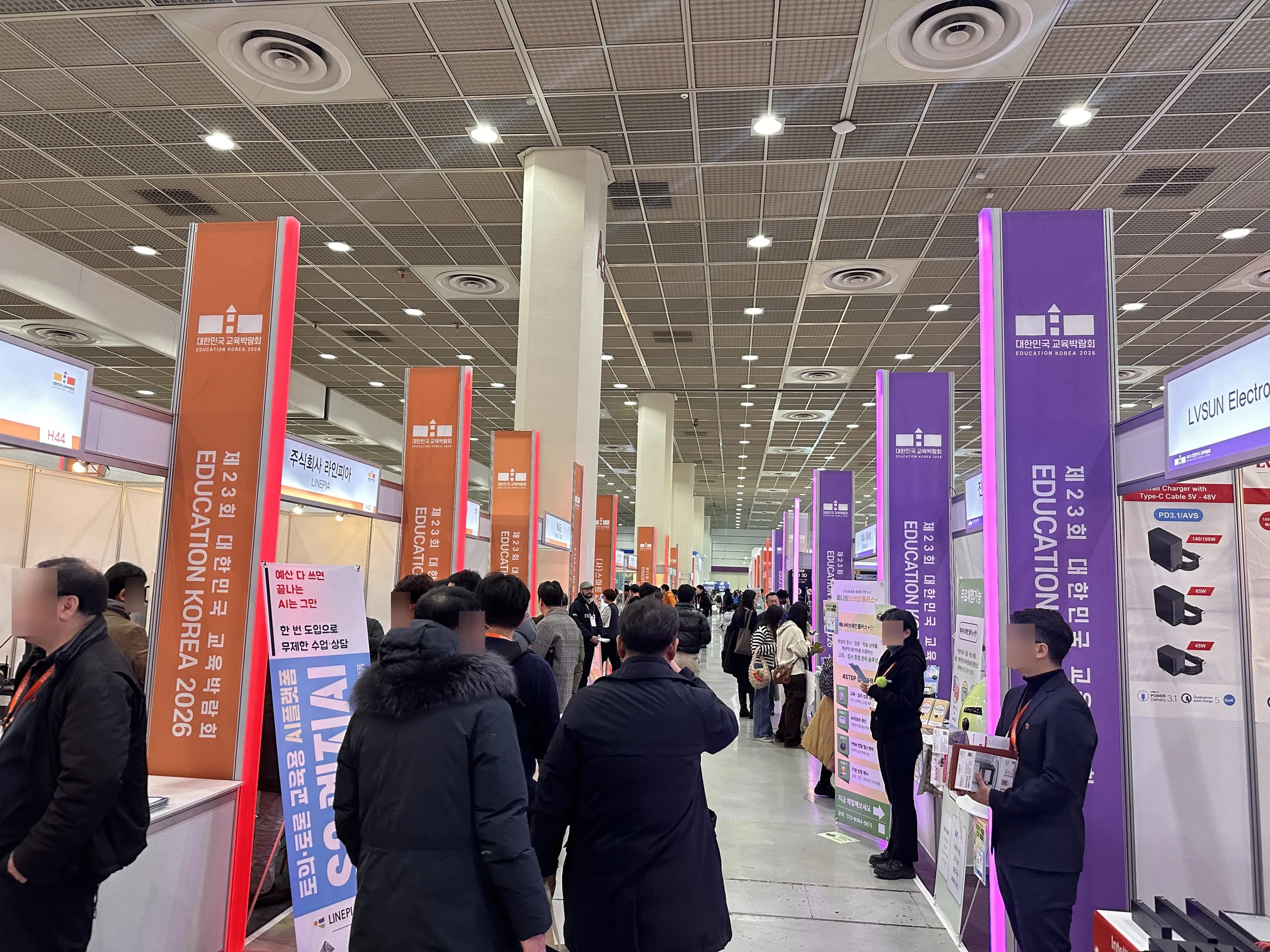
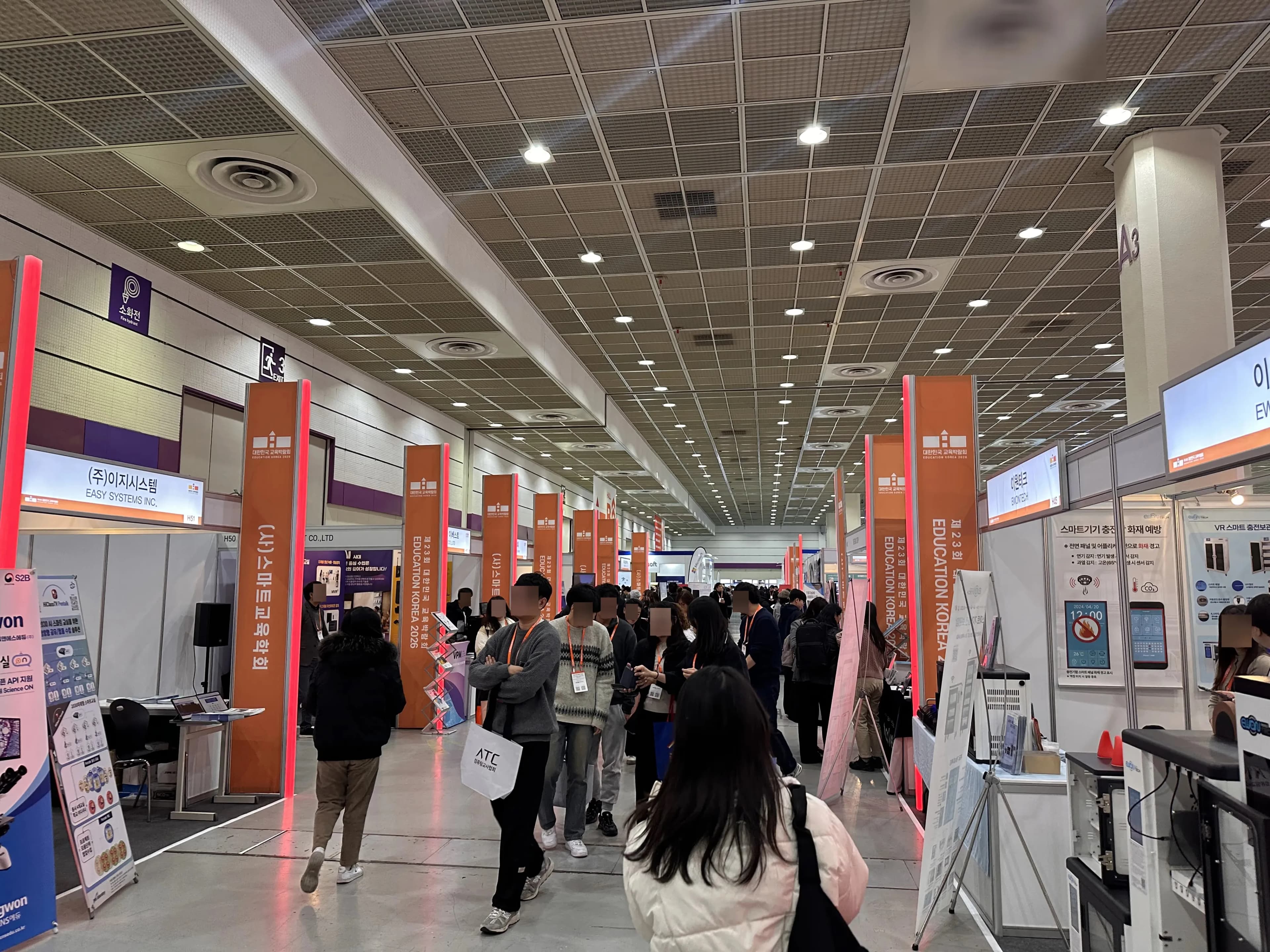
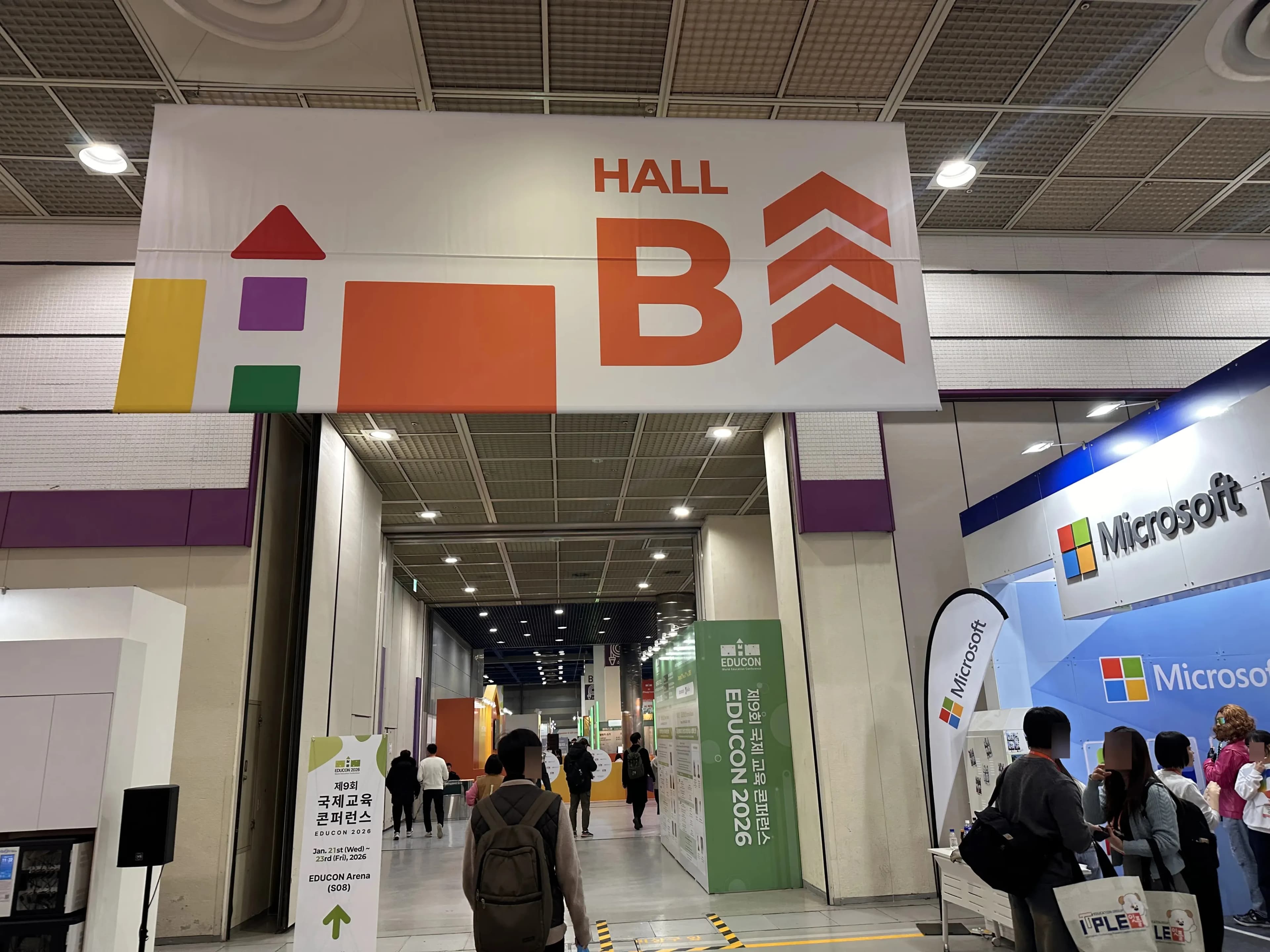
When I went all the way to the back, I reached the entrance to Hall B.
Next to the entrance was a very familiar Microsoft booth.
I went in right away to check it out.
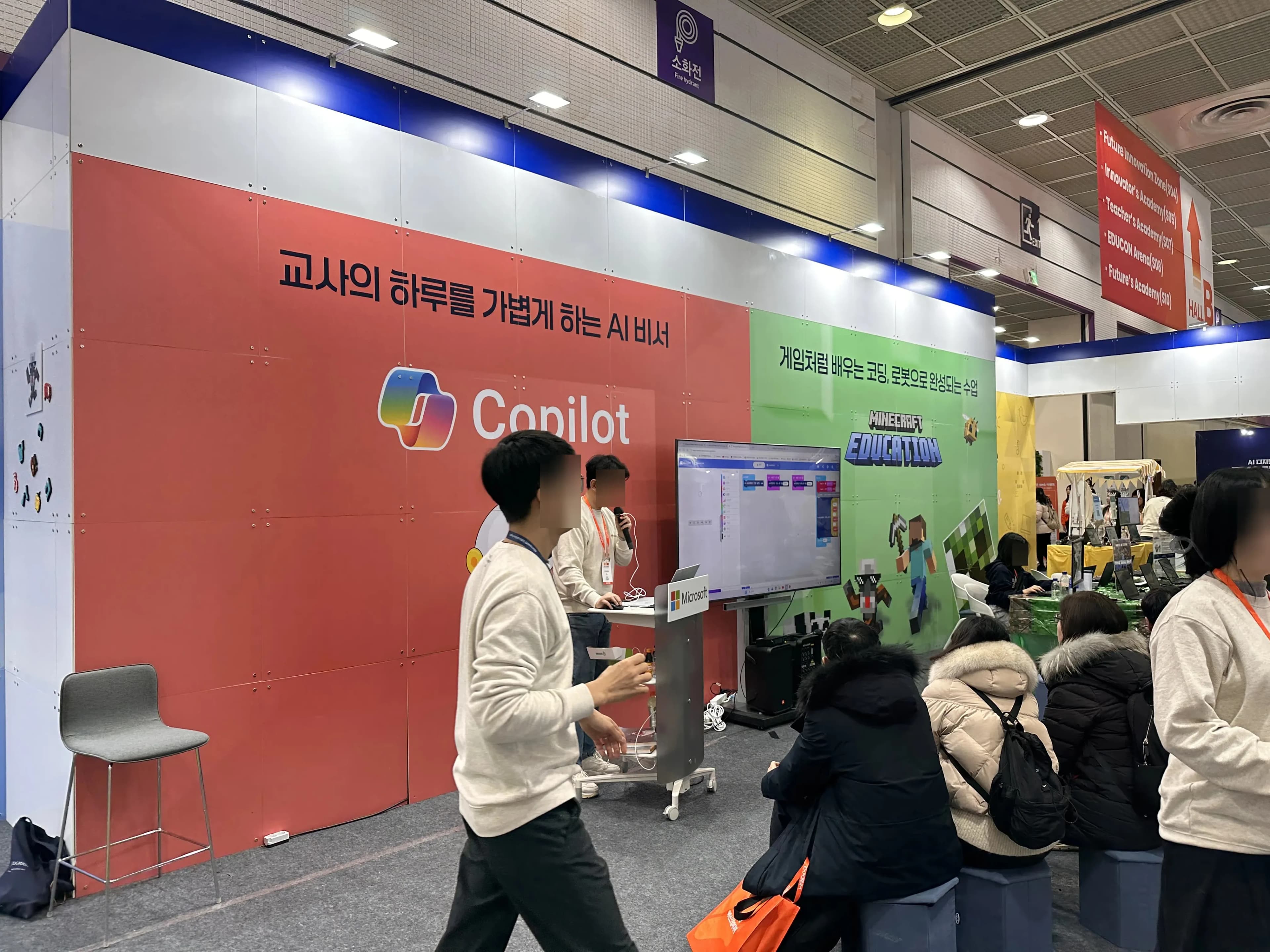
Here, I listened to an explanation on how to automatically generate assessment plans using Copilot.
But the biggest weakness of automating official documents is, of course, Hancom’s Hangul.
Since you can’t directly manipulate .hwp files, it still seemed necessary to manually transfer content from a .doc file to .hwp.
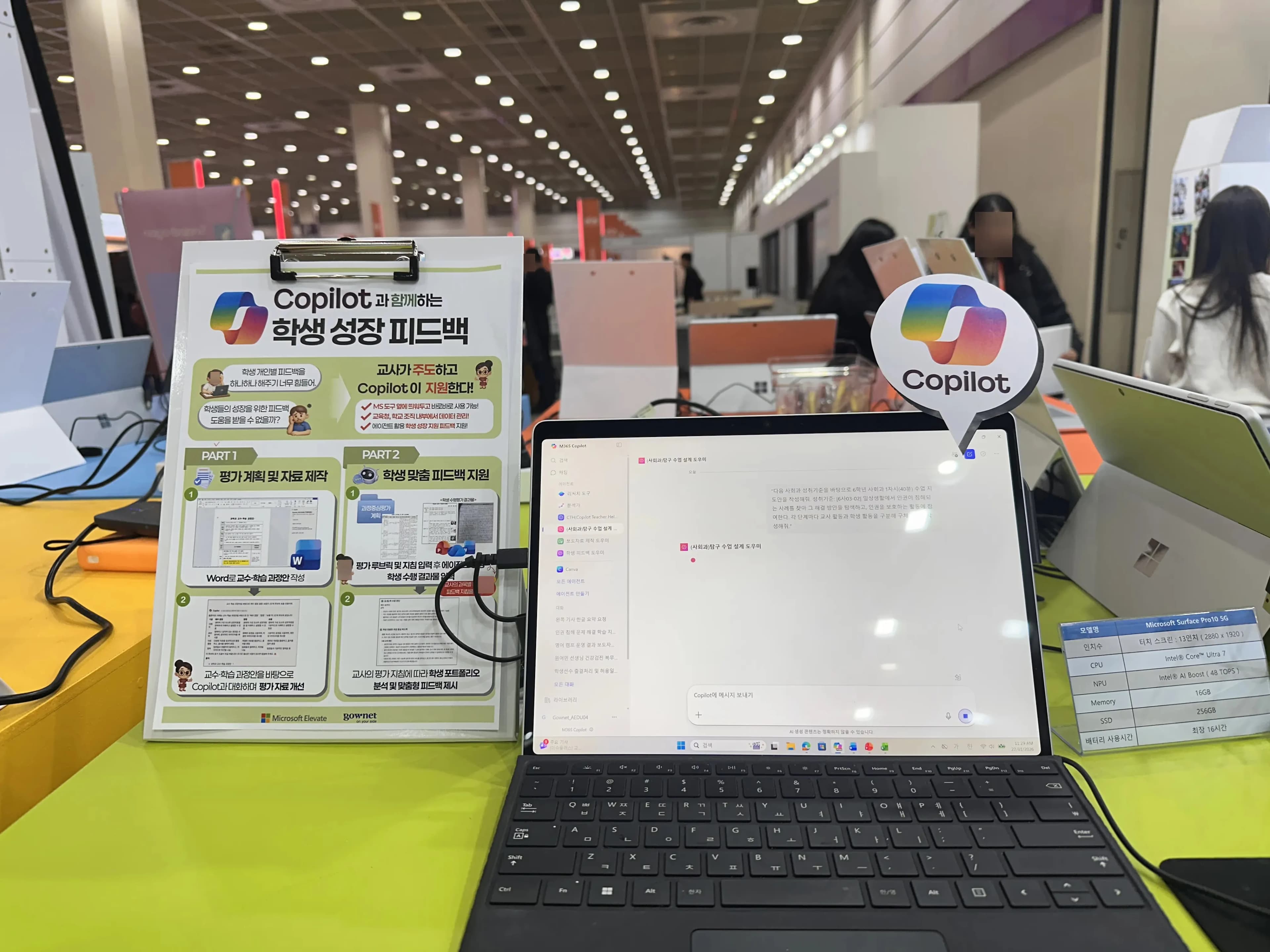
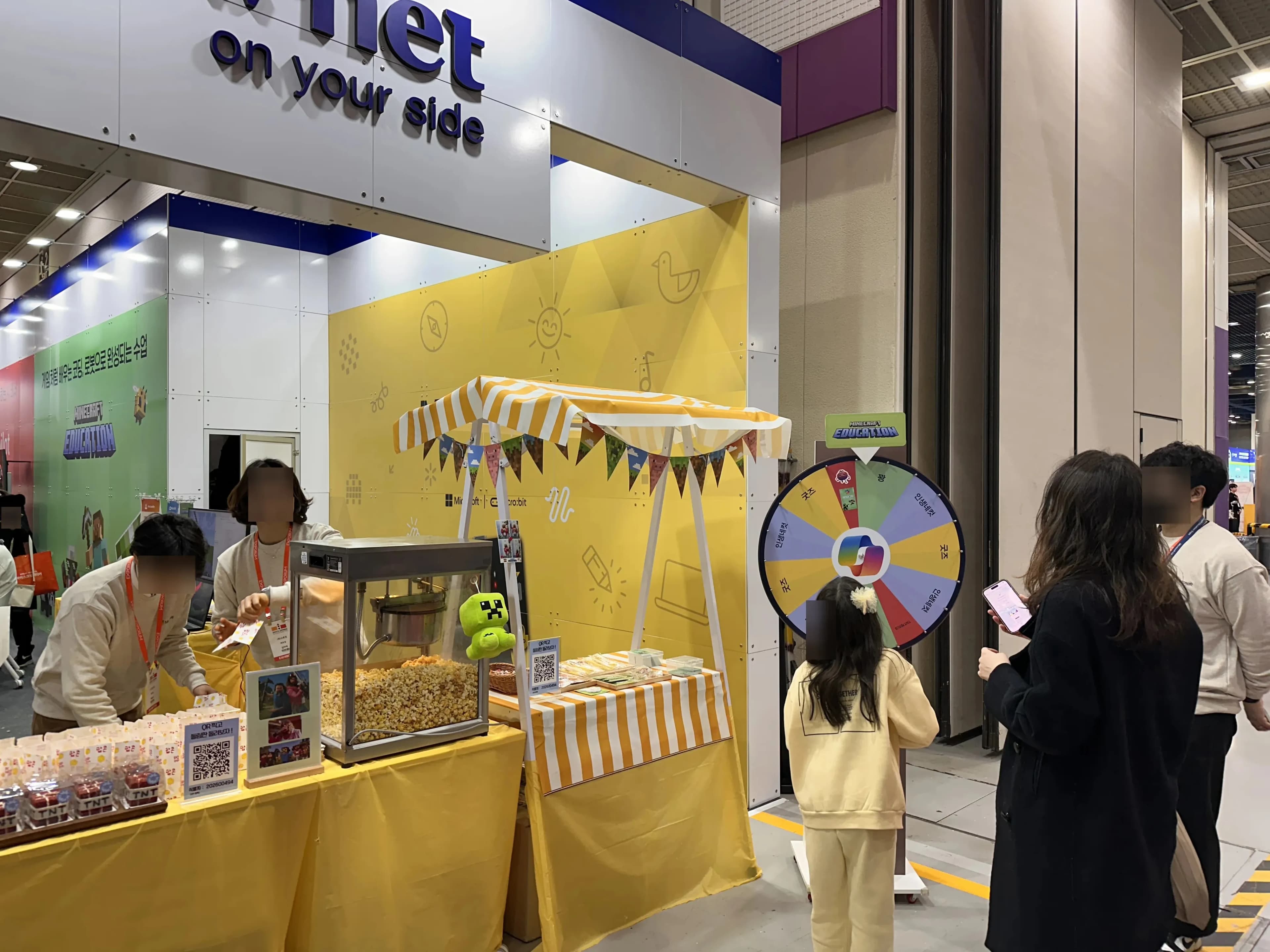
And I won another gift in a drawing at the booth.
I got a Life Four Cuts (photo booth) coupon and a Minecraft Creeper accessory.
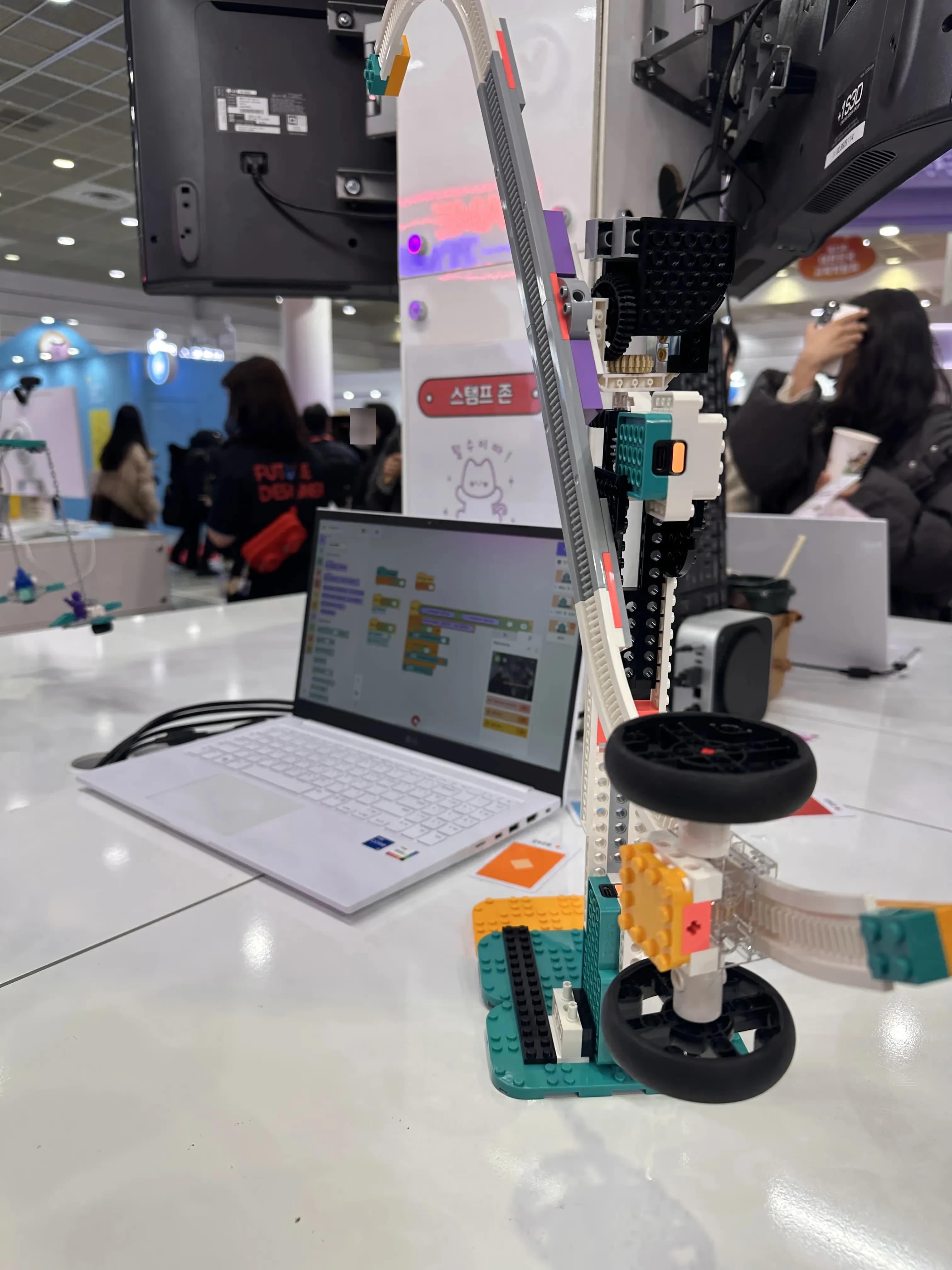
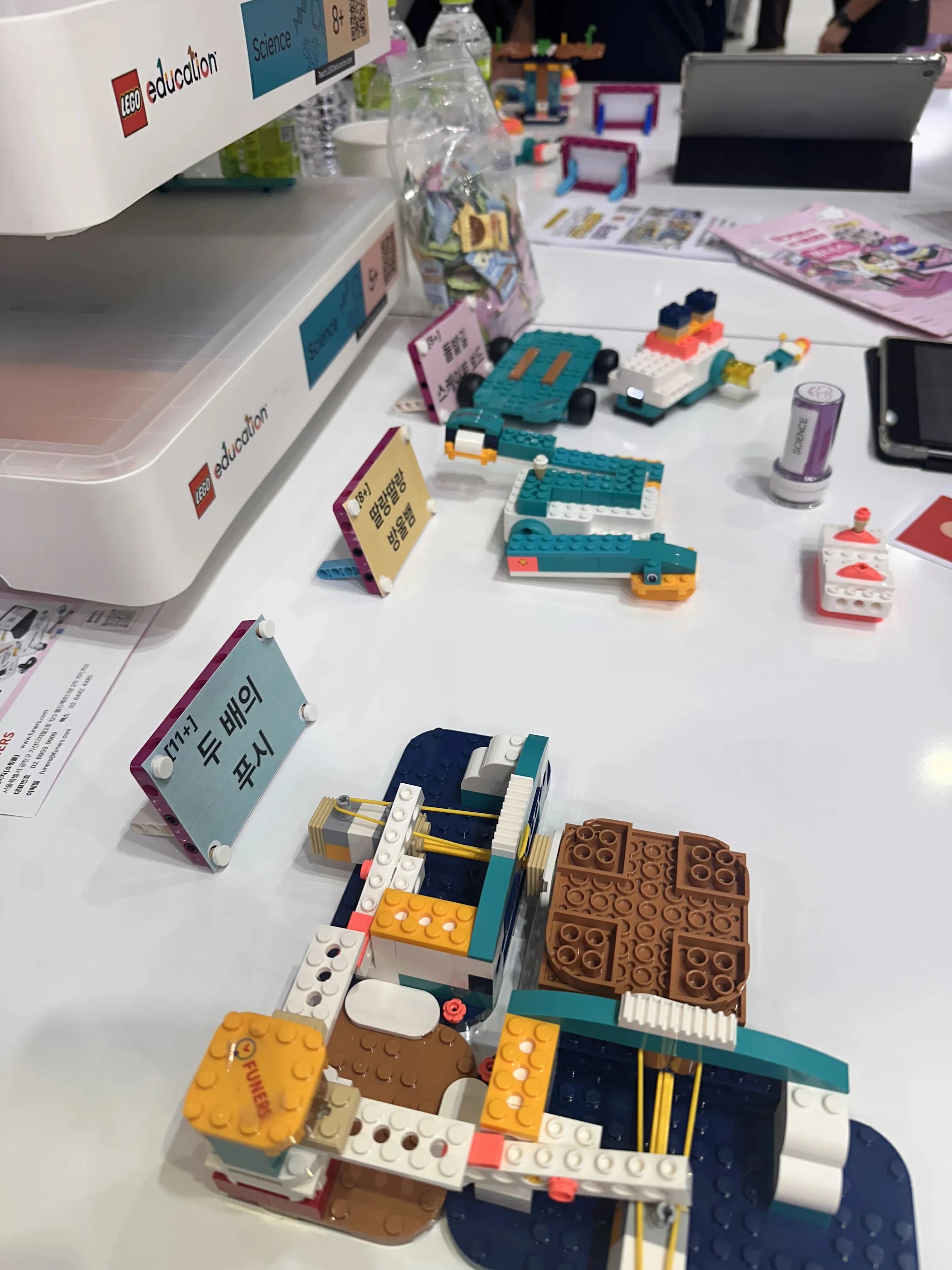
When I turned around, there was a LEGO booth.
I couldn’t just pass by, so I went in.
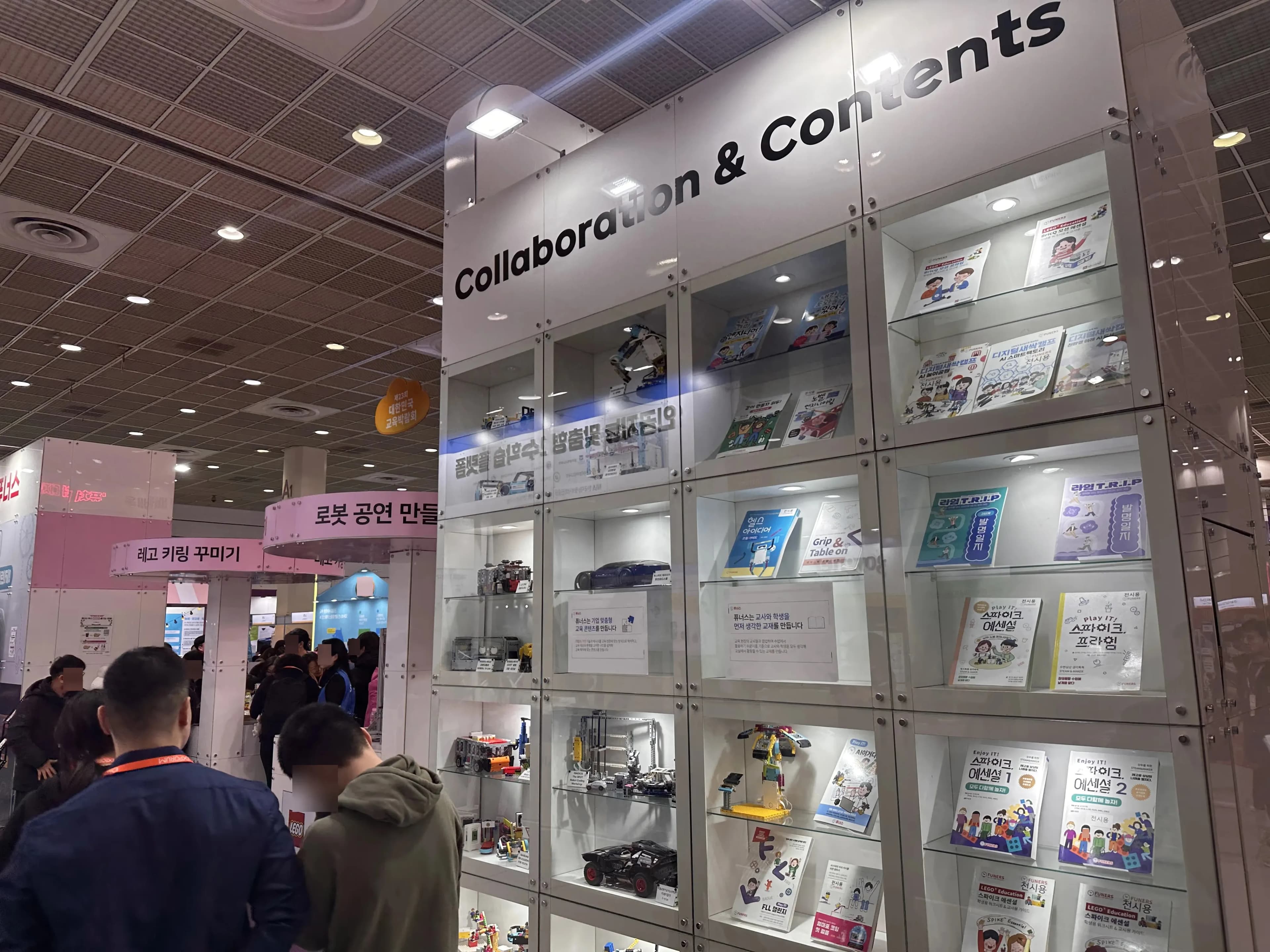
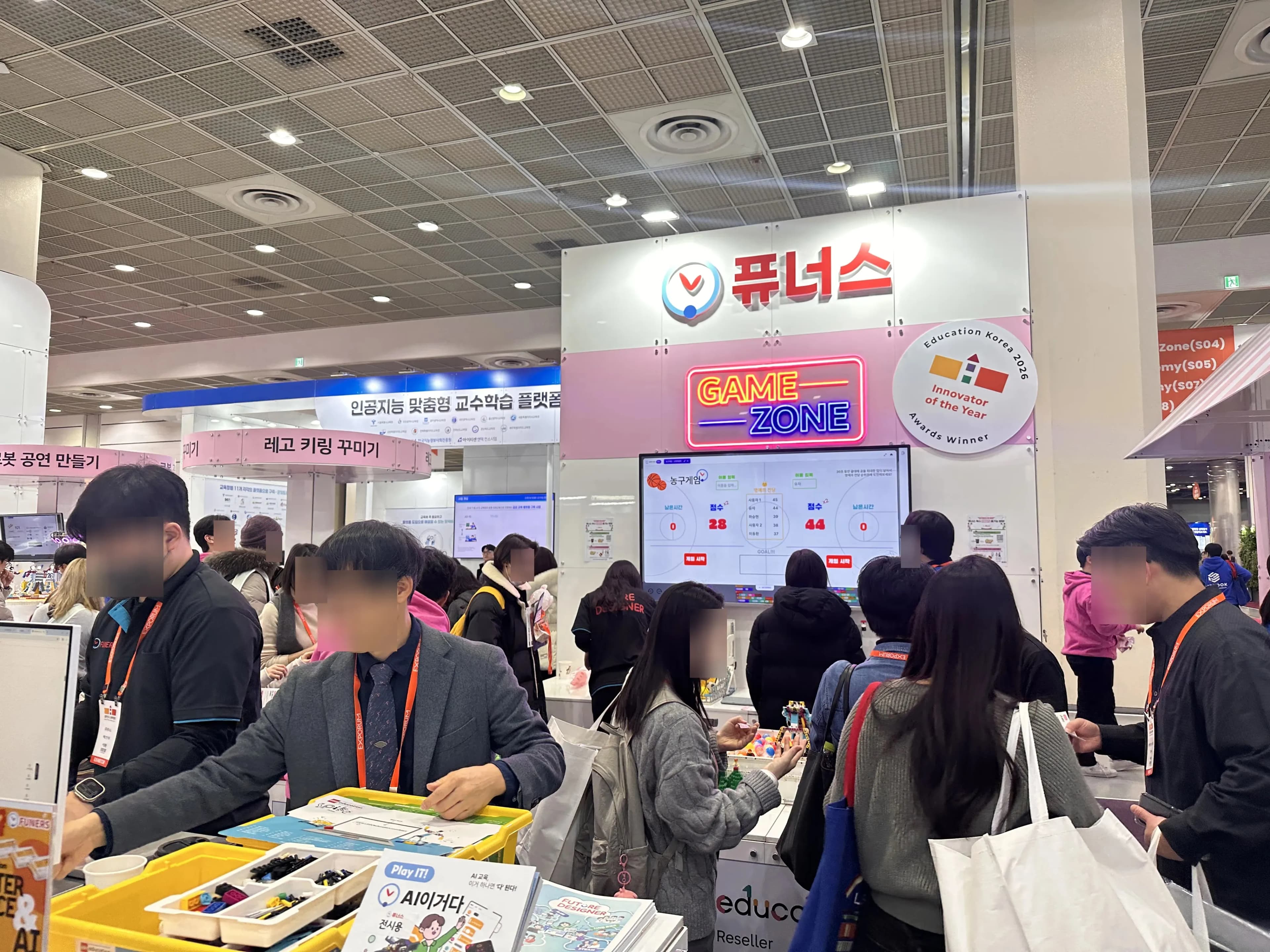
There was also a coupon tour within the FUNus zone.
If you joined games or activities and collected coupons, they gave you fortune cookies and LEGO accessories.
If you drew a slip of paper from inside the fortune cookie, you got a gift.
I received a fairly large LEGO item.
After visiting about five booths, my bag was so full that there was no space left to put anything else.
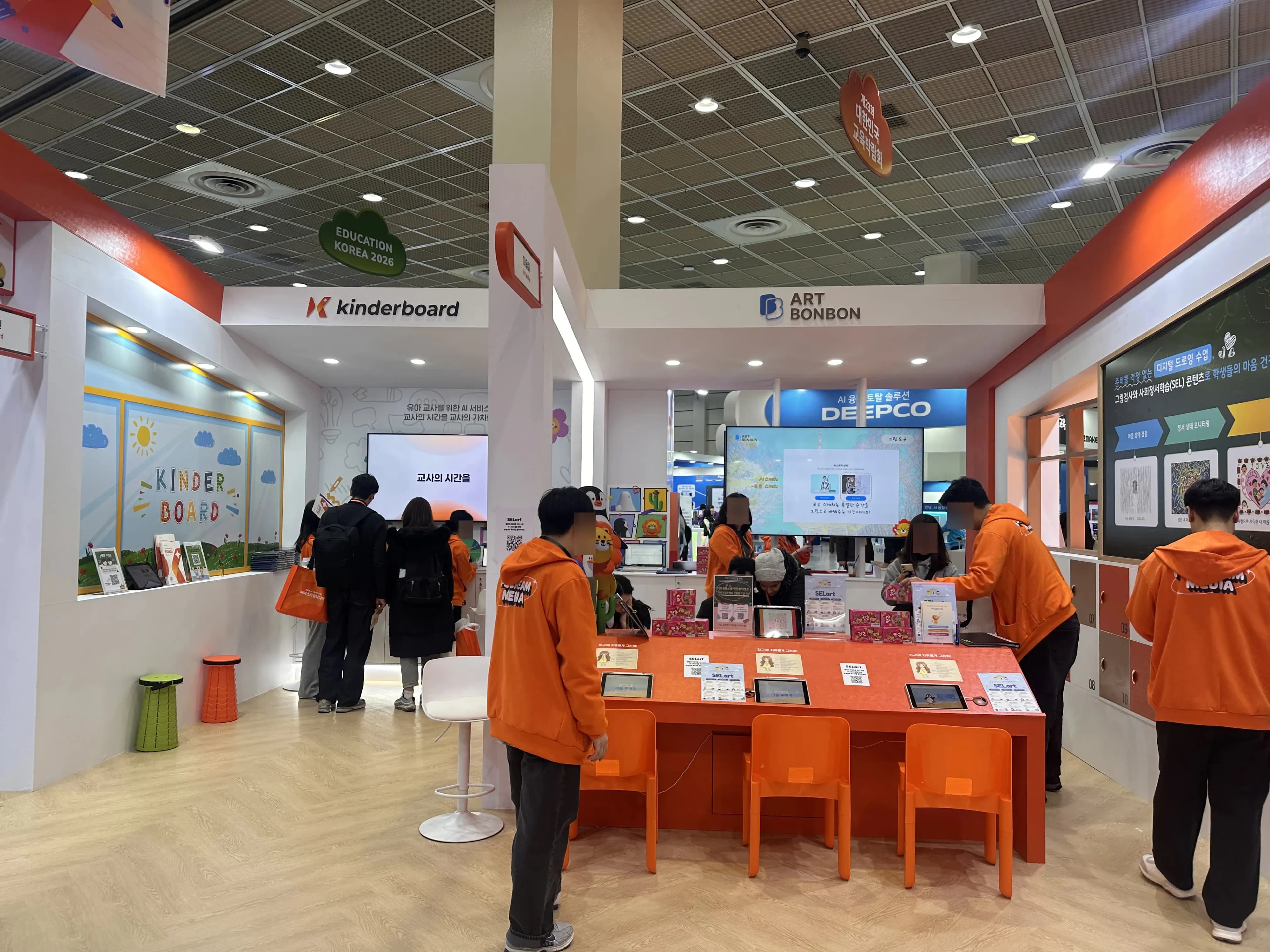
So I looked around to see if any place was giving out bags as freebies, and found that Icecream Edu, which my child uses, was handing out bags.
After getting a bag, I continued to look around inside.
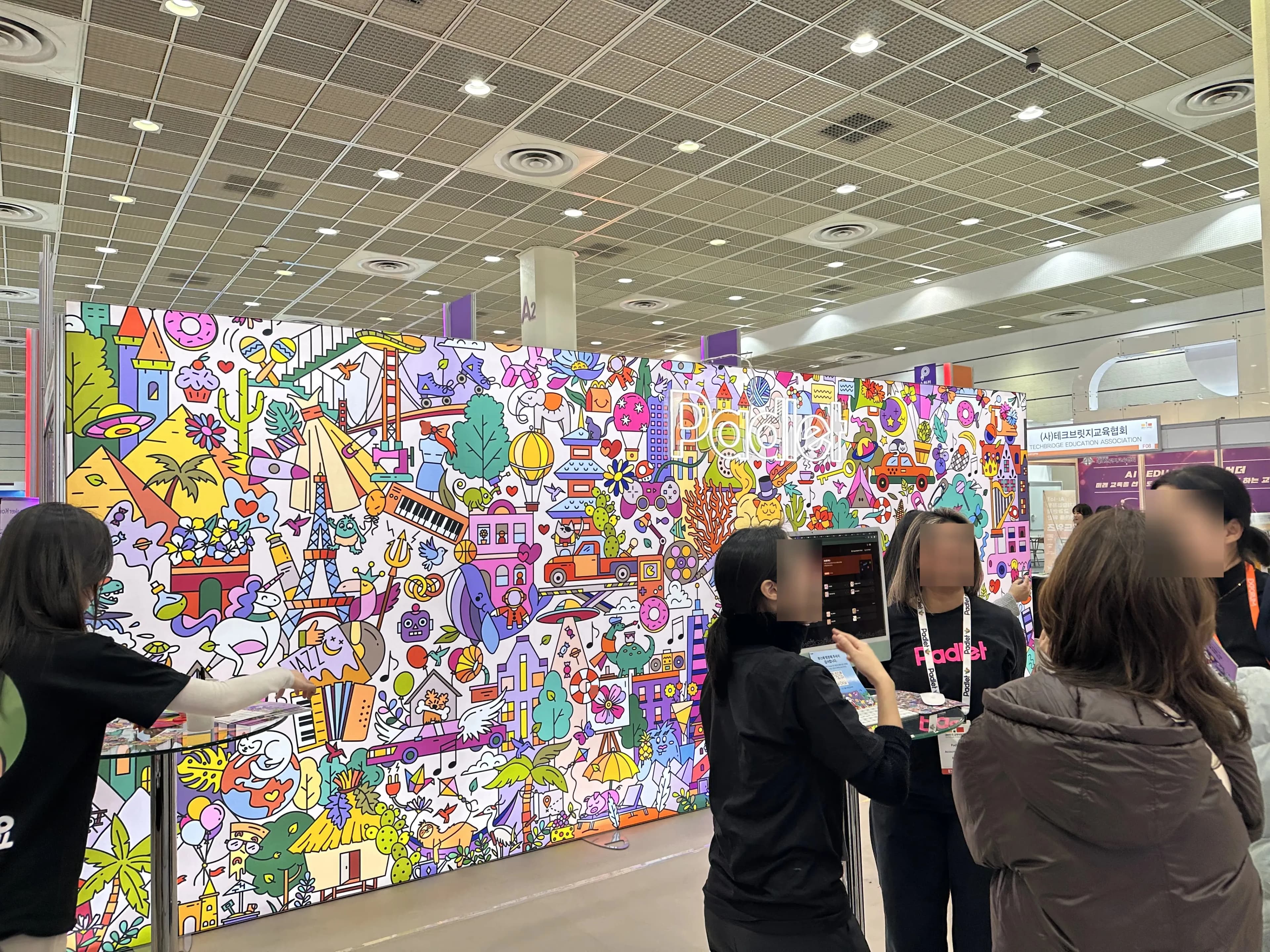
There was also a Padlet booth, which I use at school almost every day.
I got two Padlet stickers to put on my laptop.
It was impressive that they had an iMac set up and a foreign staff member was running the booth.
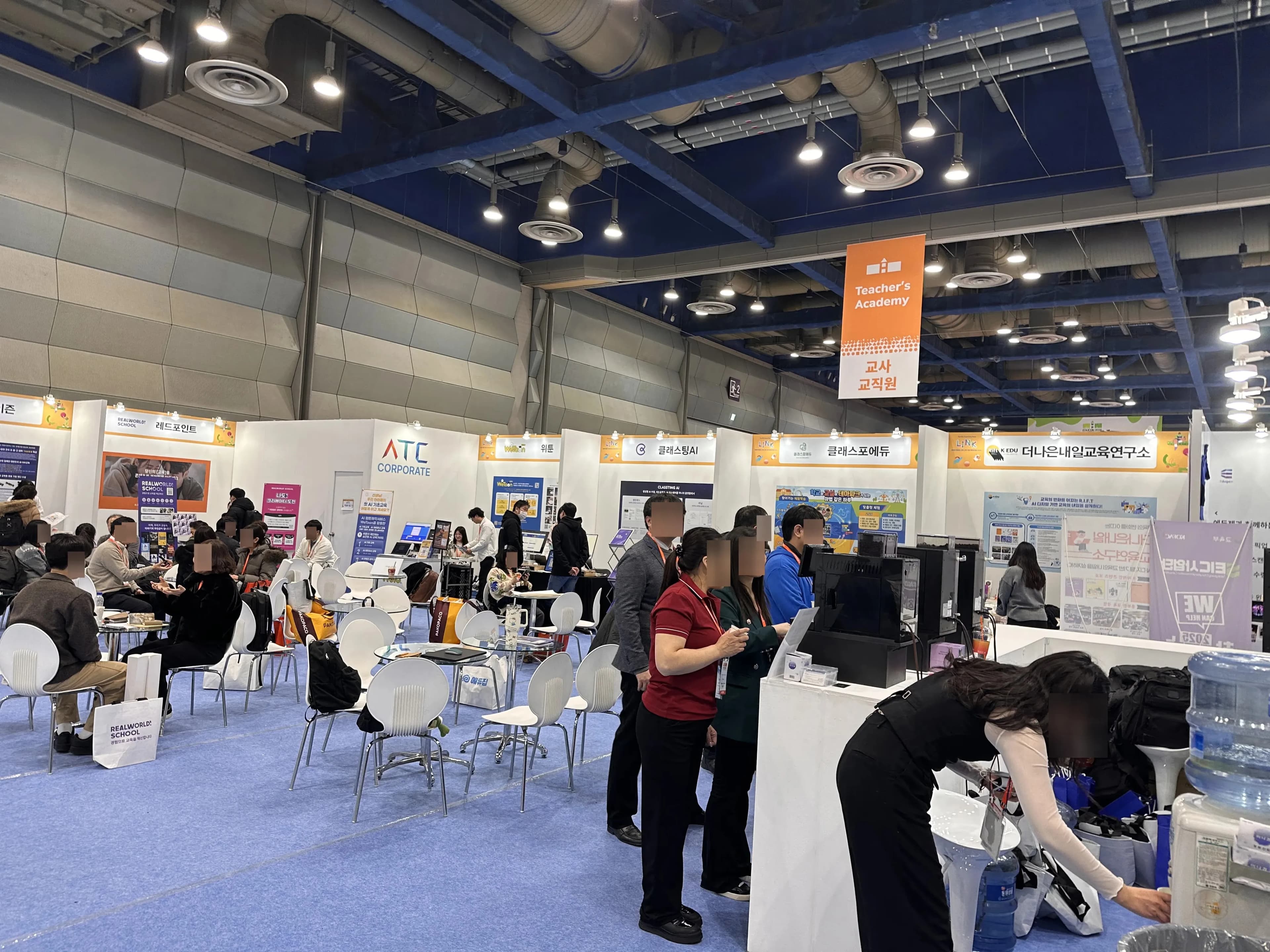
This time, I went into Hall B.
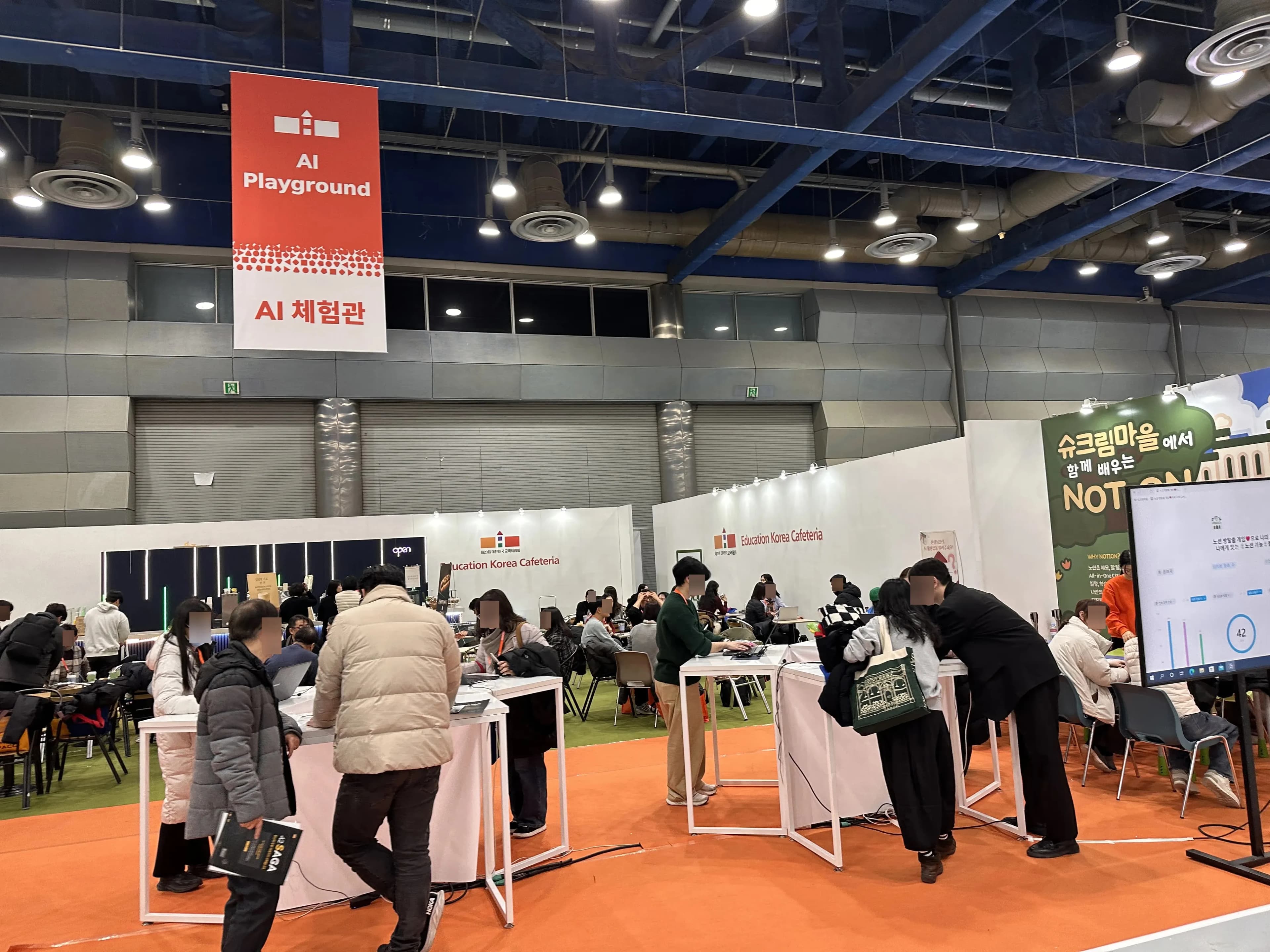
The booths in Hall B were smaller, but there were quite a few interesting ones.
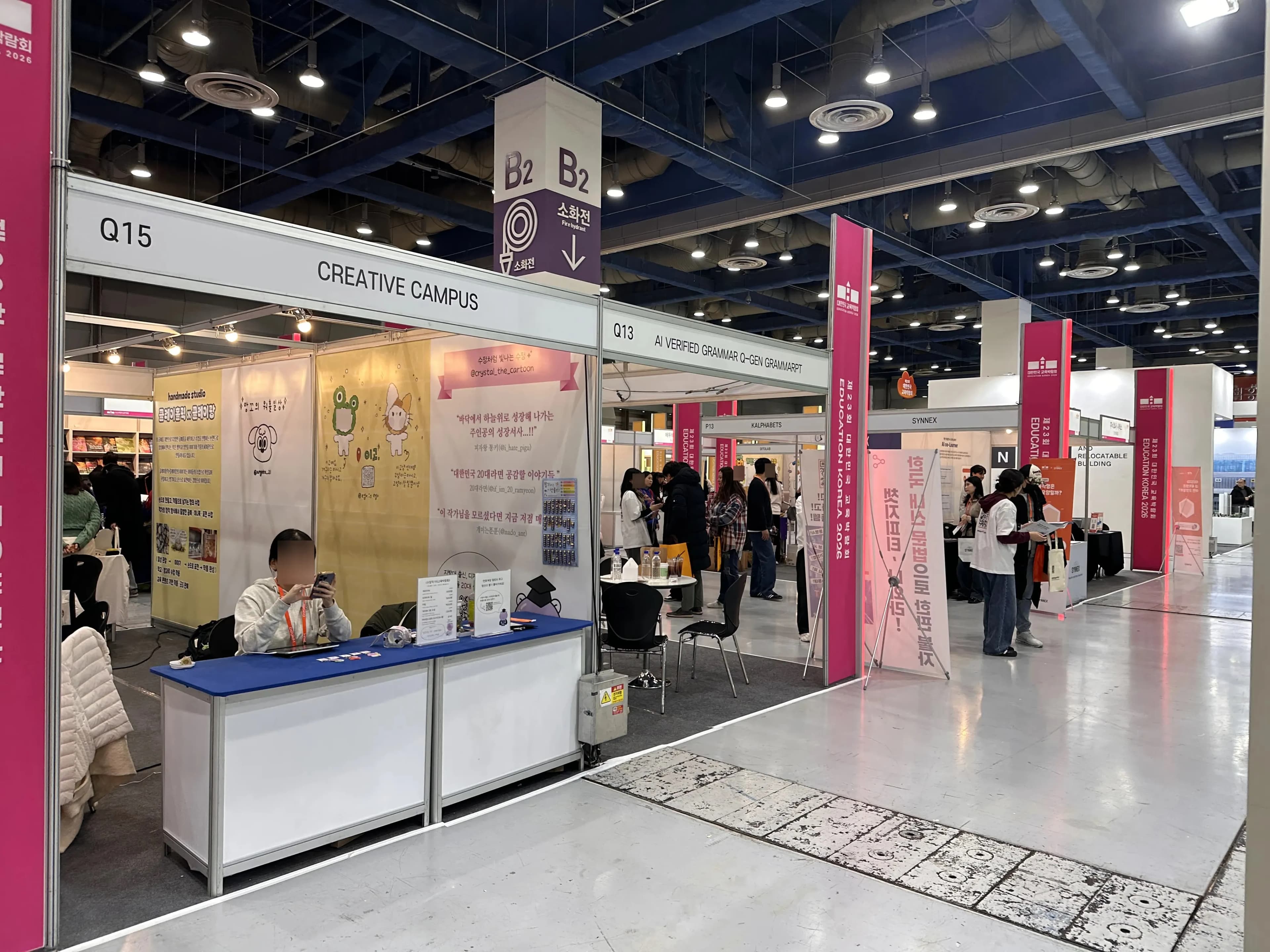
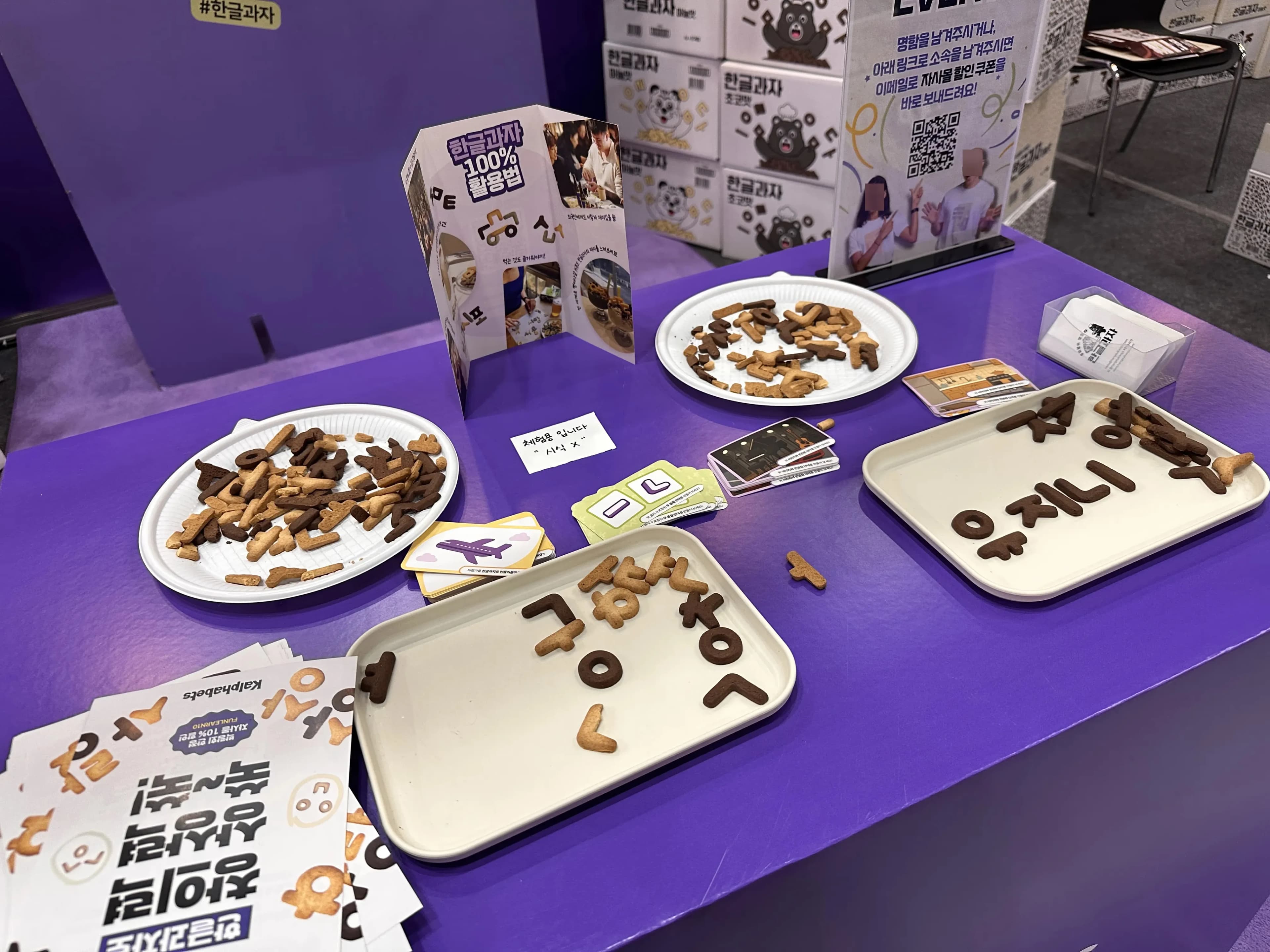
The Hangul snacks were tasty, and I thought I could have fun eating them with my child.
I joined an event and got a sample pack of the snacks.
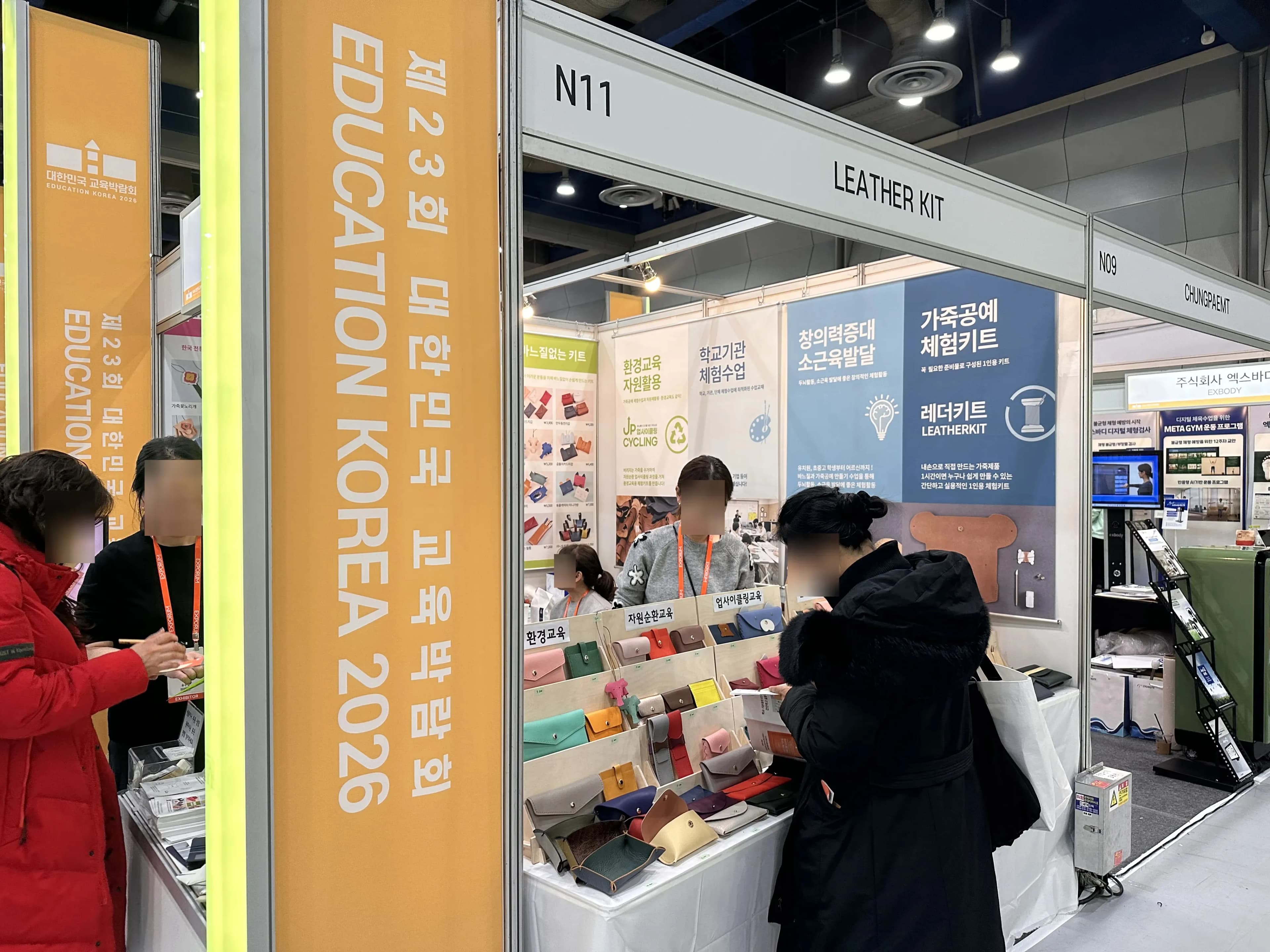
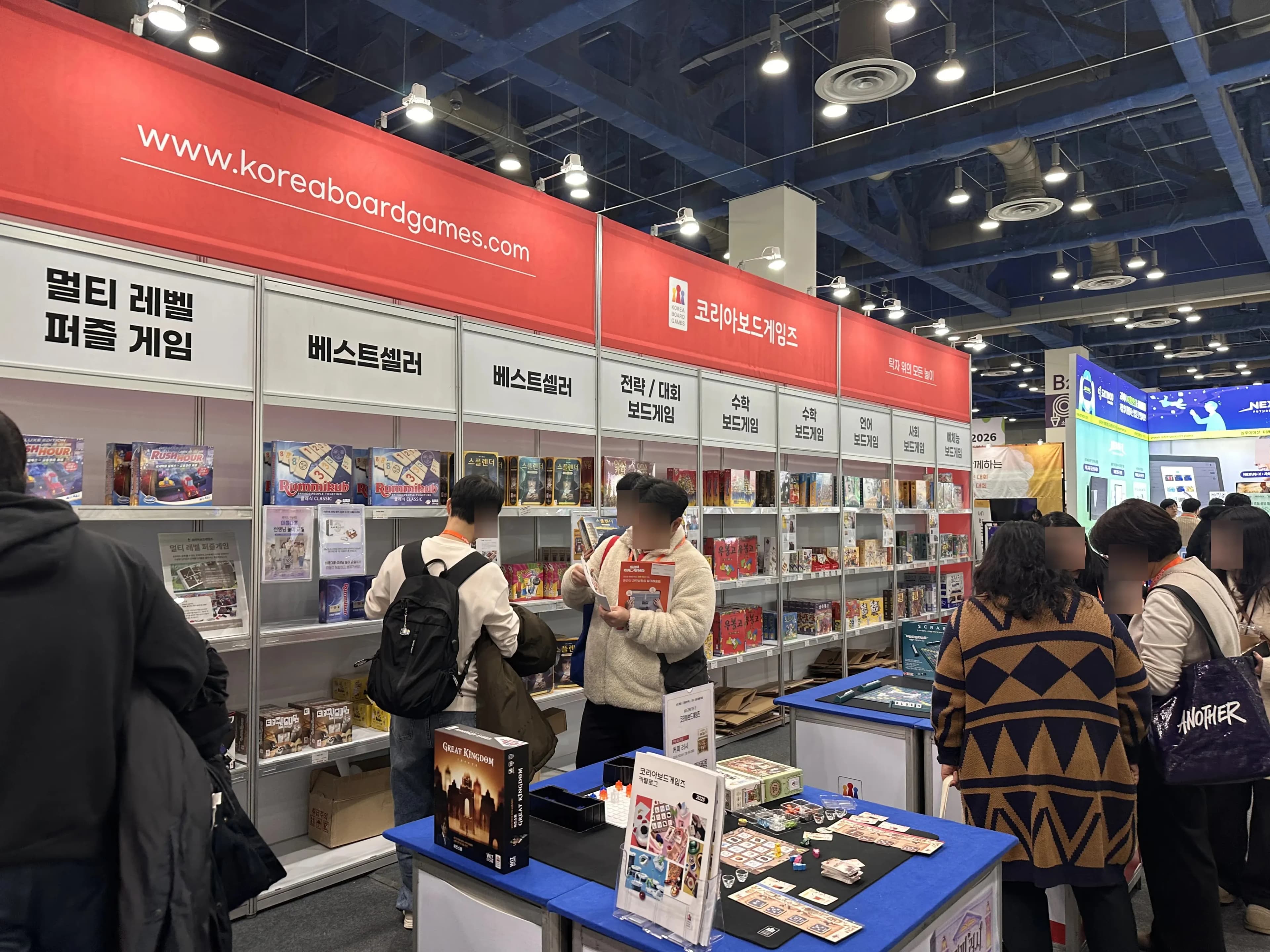
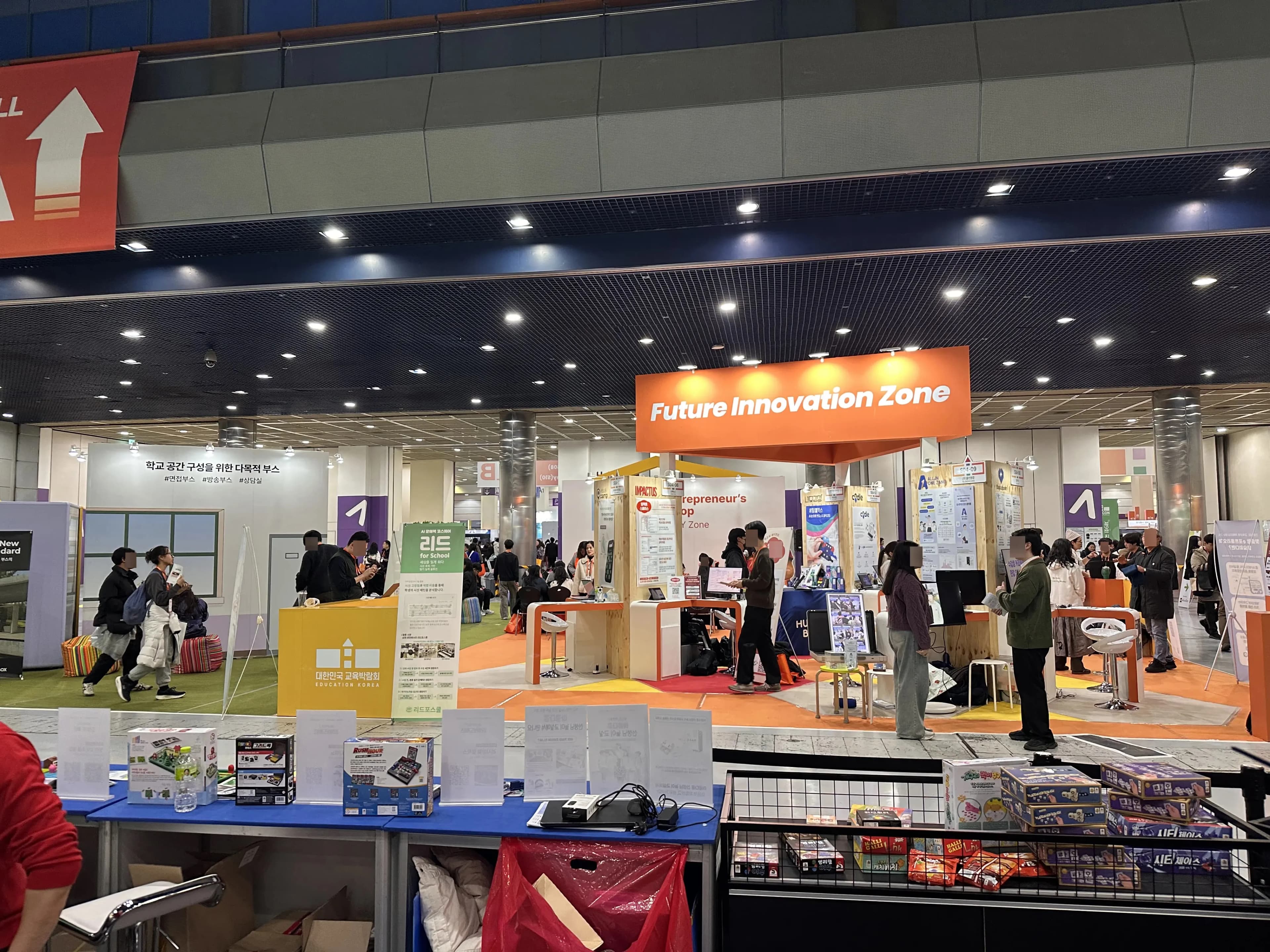
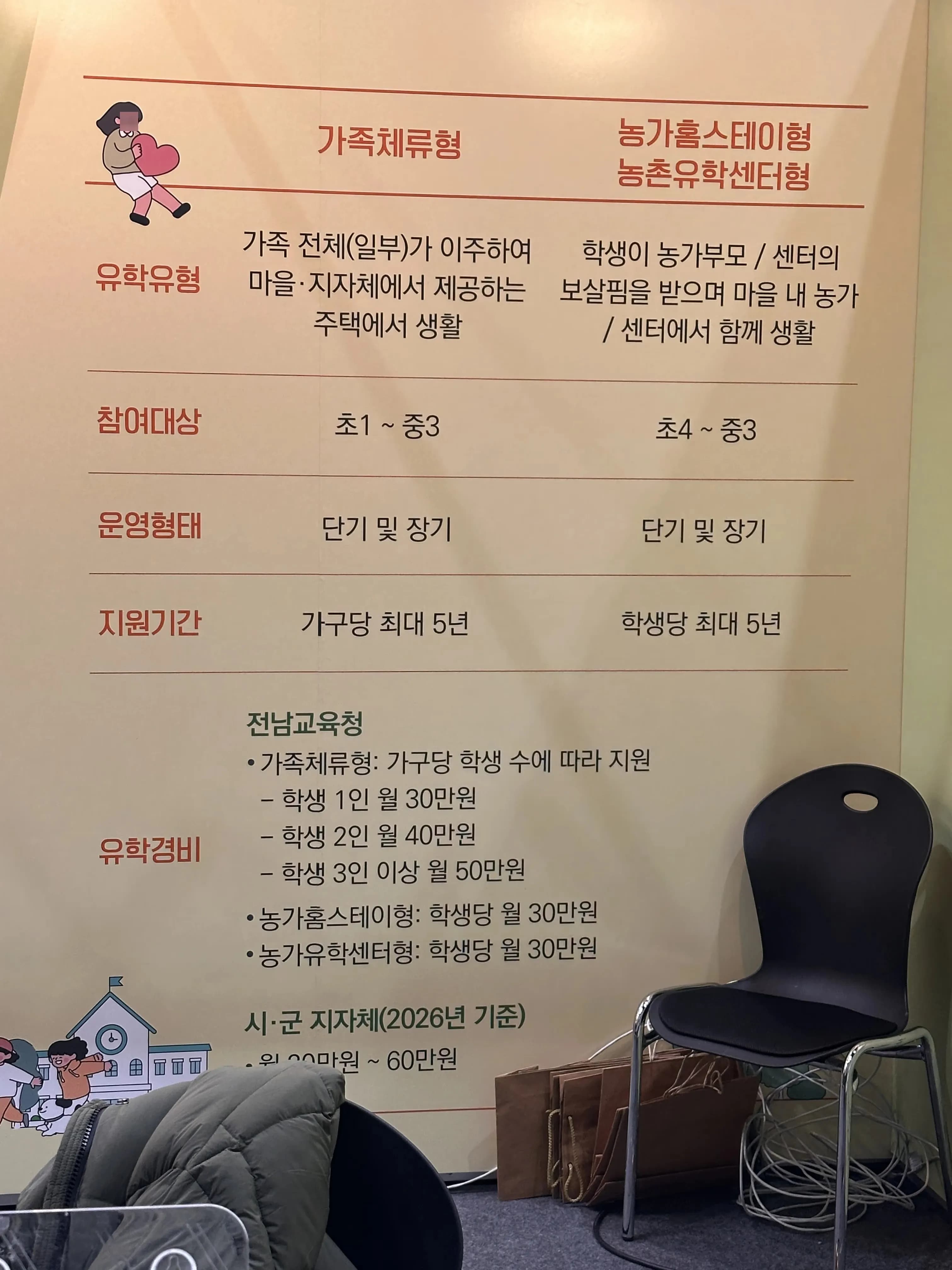
It was interesting to see the Jeollanam-do Office of Education there as well.
They said that if you do a family stay or farmhouse homestay in Jeollanam-do, you can receive financial support.
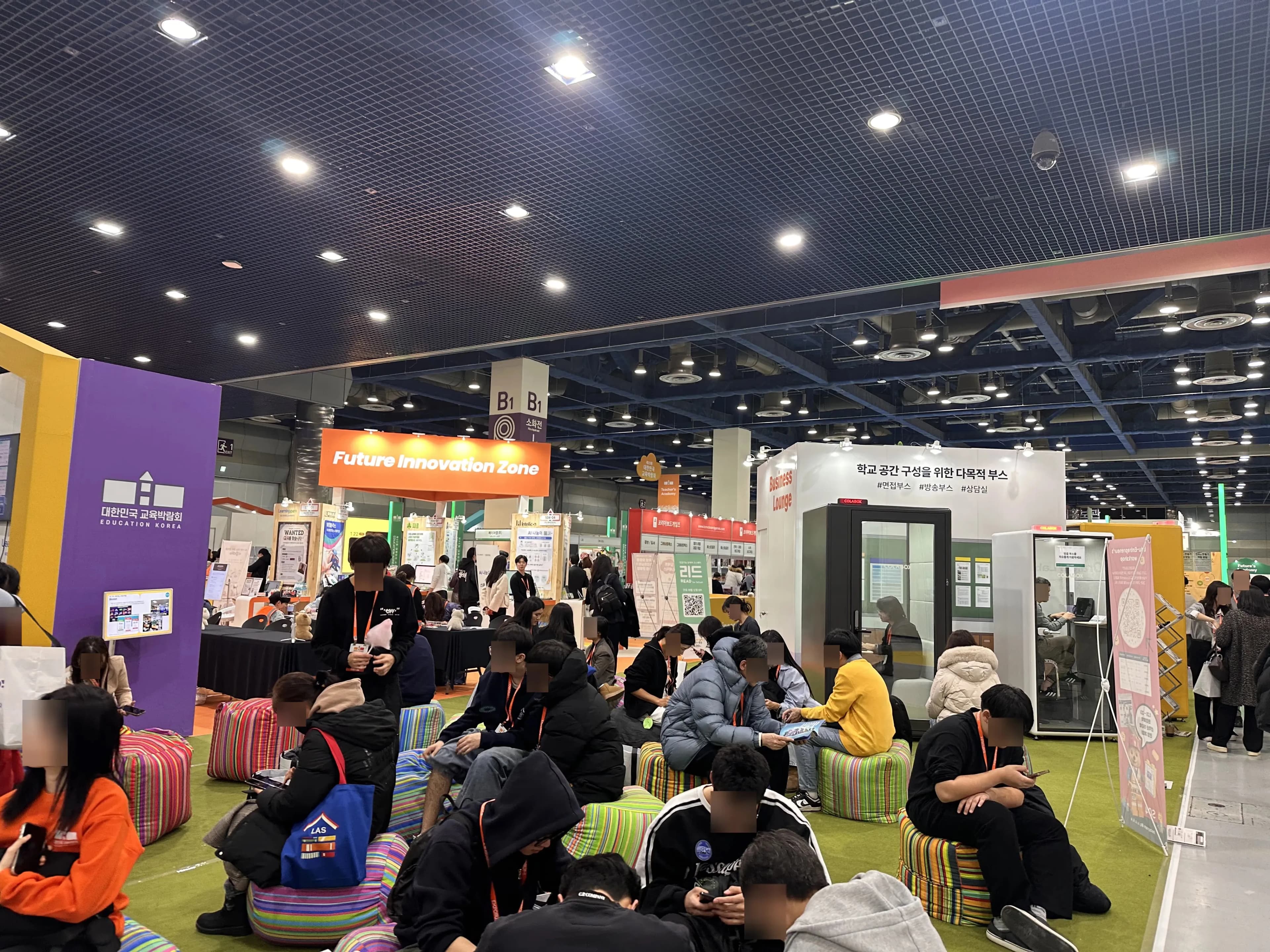
Then I went back to Hall A and looked around the booths related to teacher communities.
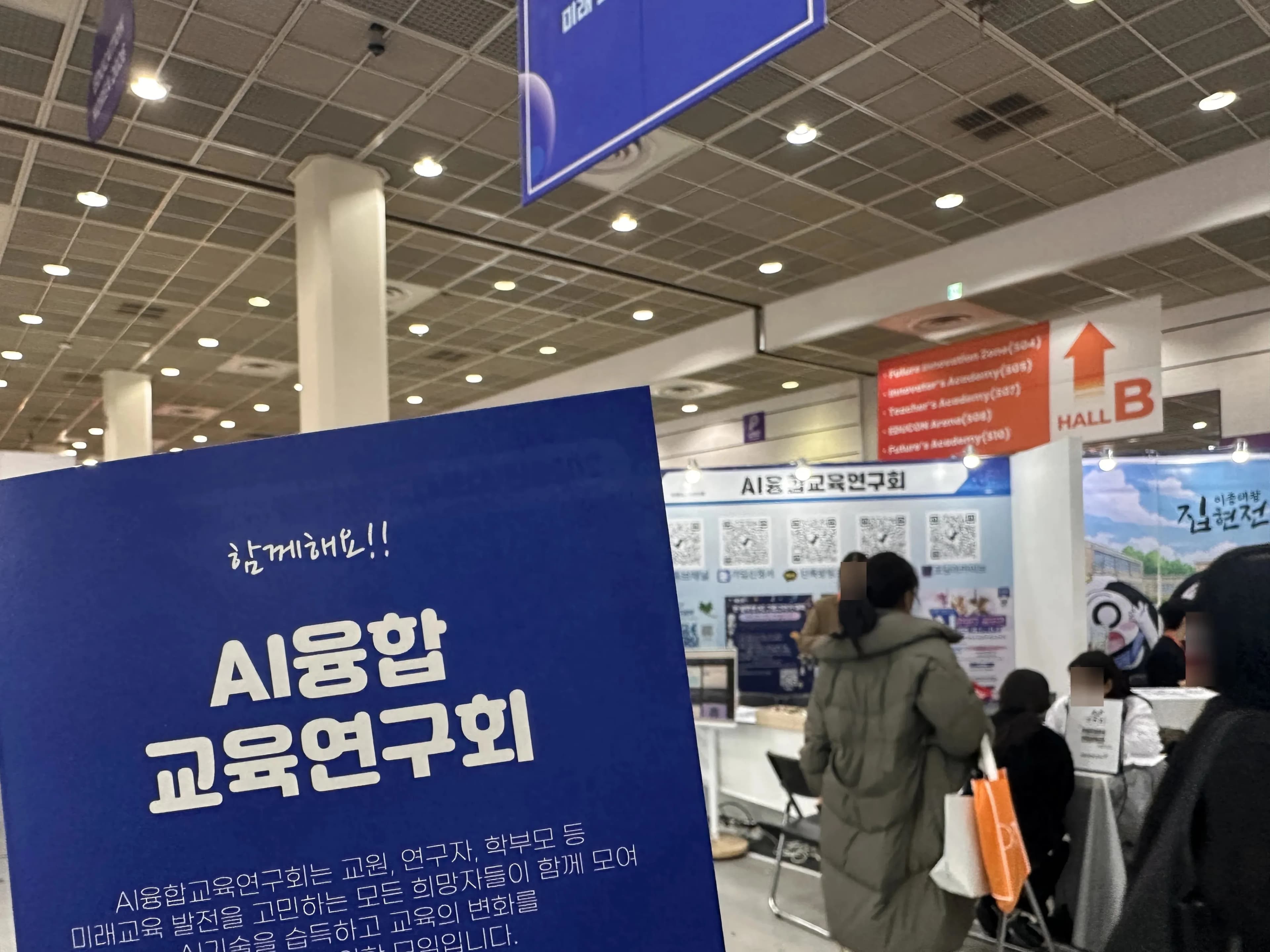
There was an AI Convergence Education Research Association, which caught my interest.
You could even apply to join on the spot by using a QR code.
I also saw the famous “Chamssem” teacher in person for the first time.
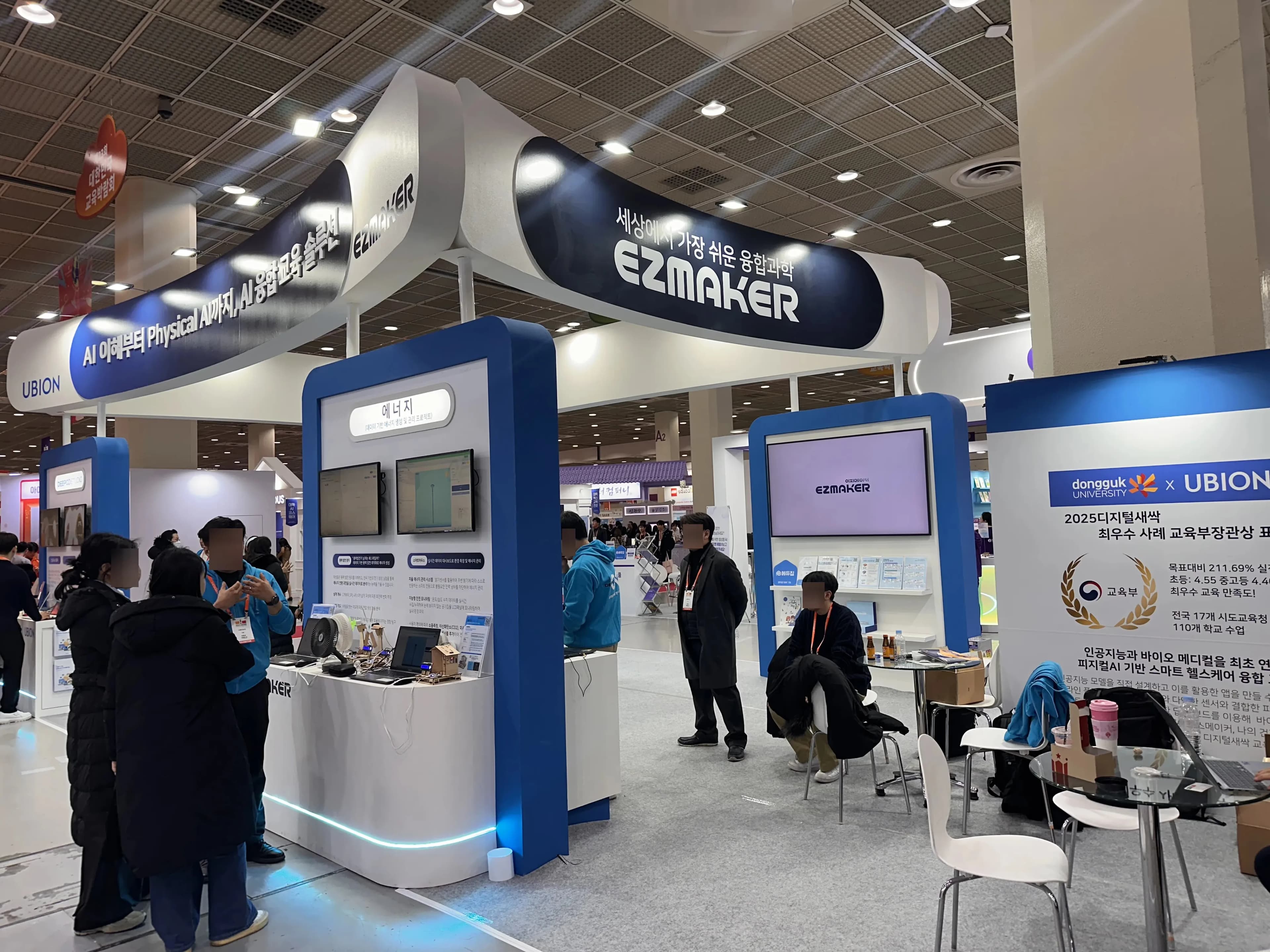
They also had EasyMaker, which our school had purchased.
The modules are simple and easy to use, so I often used it for experiments in class.
After that, I continued wandering around the booths with a colleague.
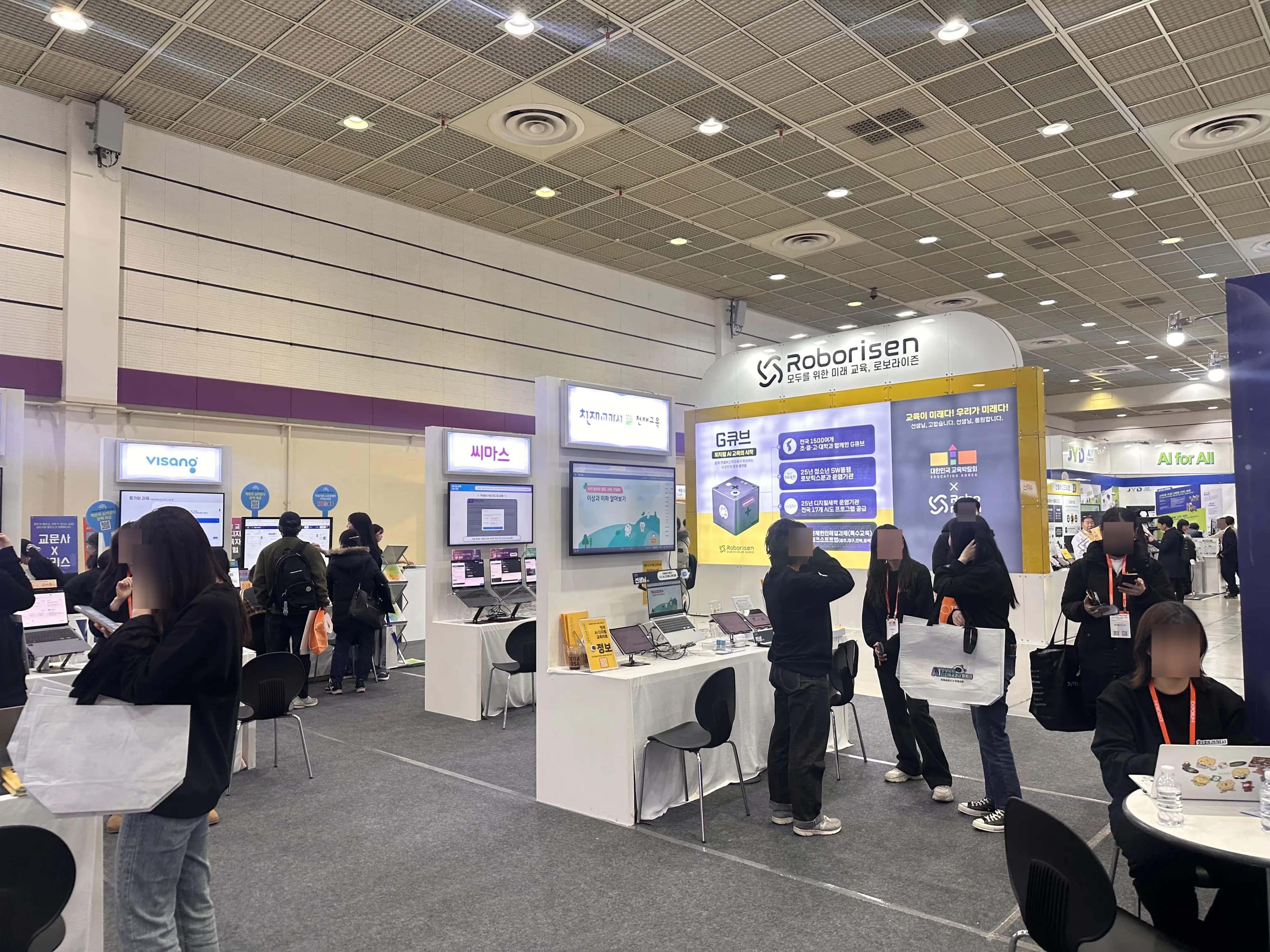
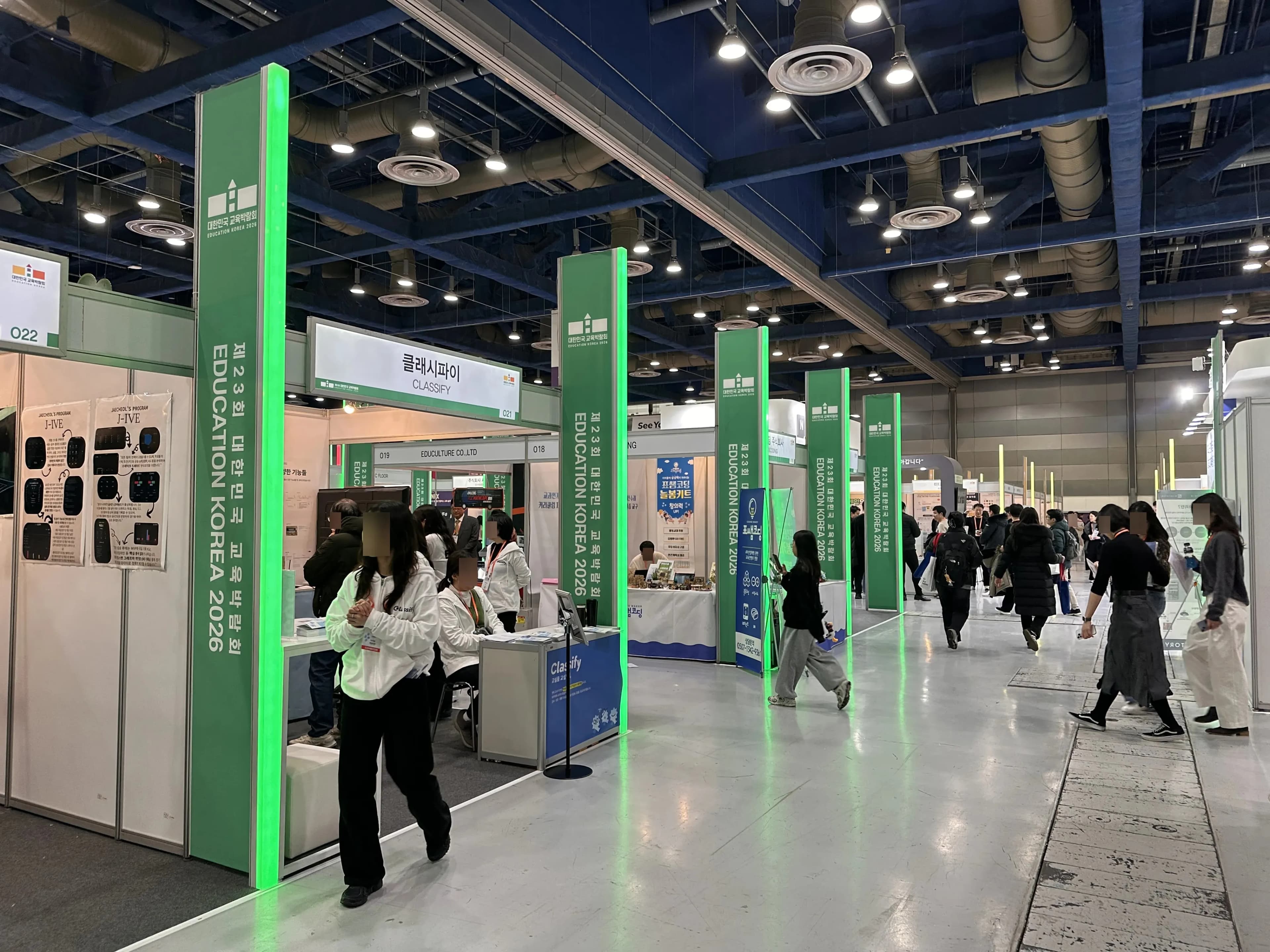
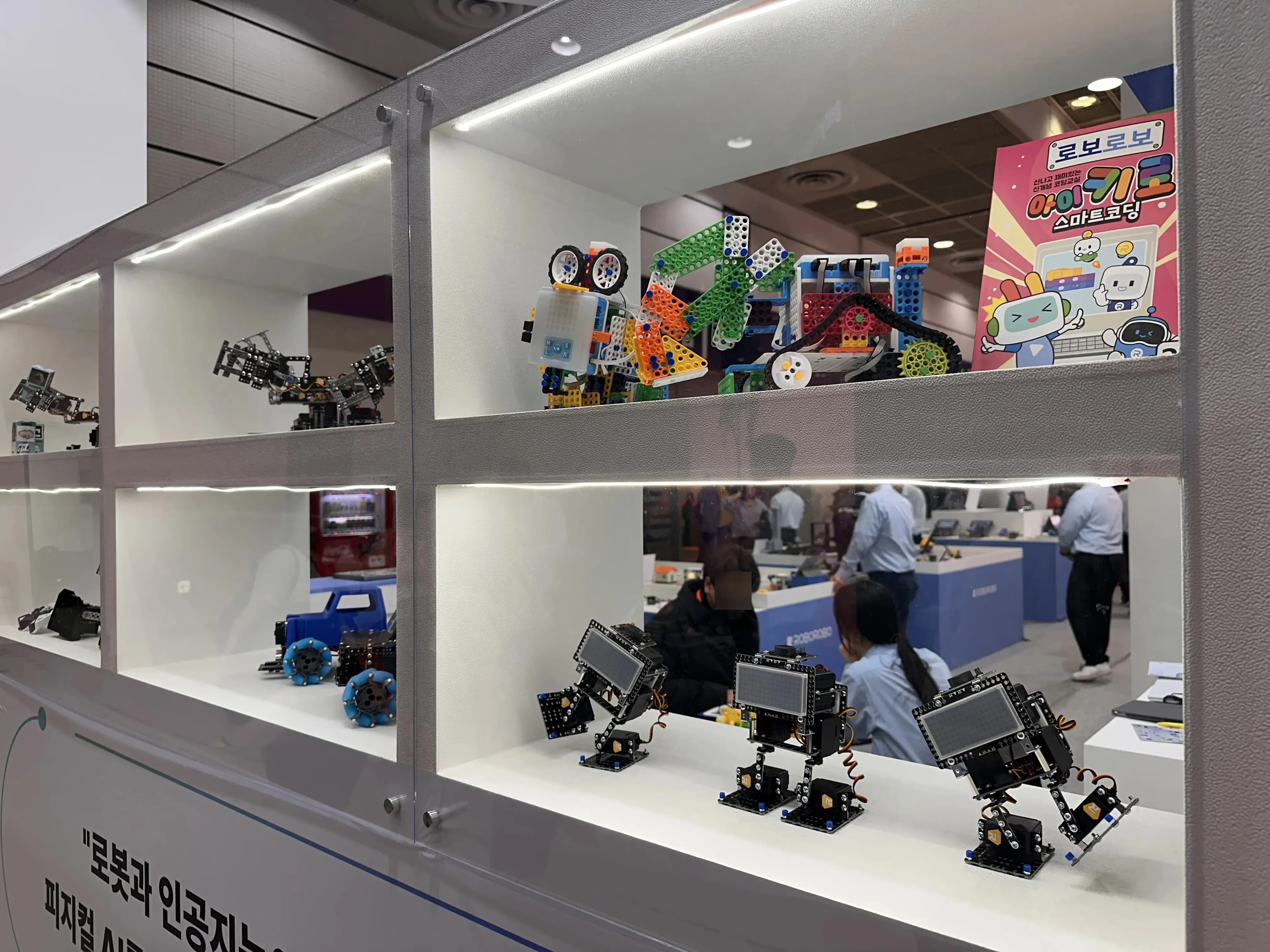
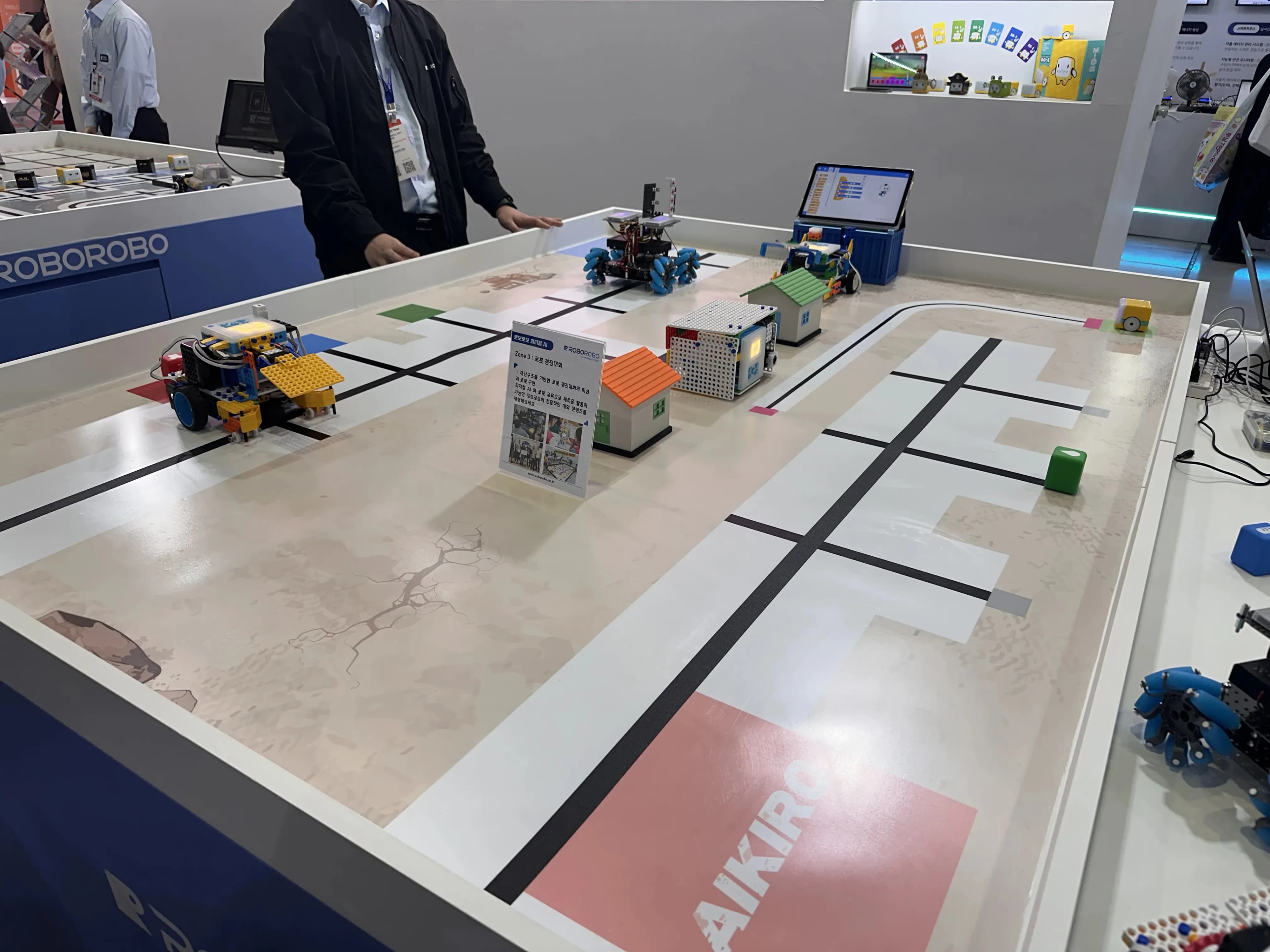
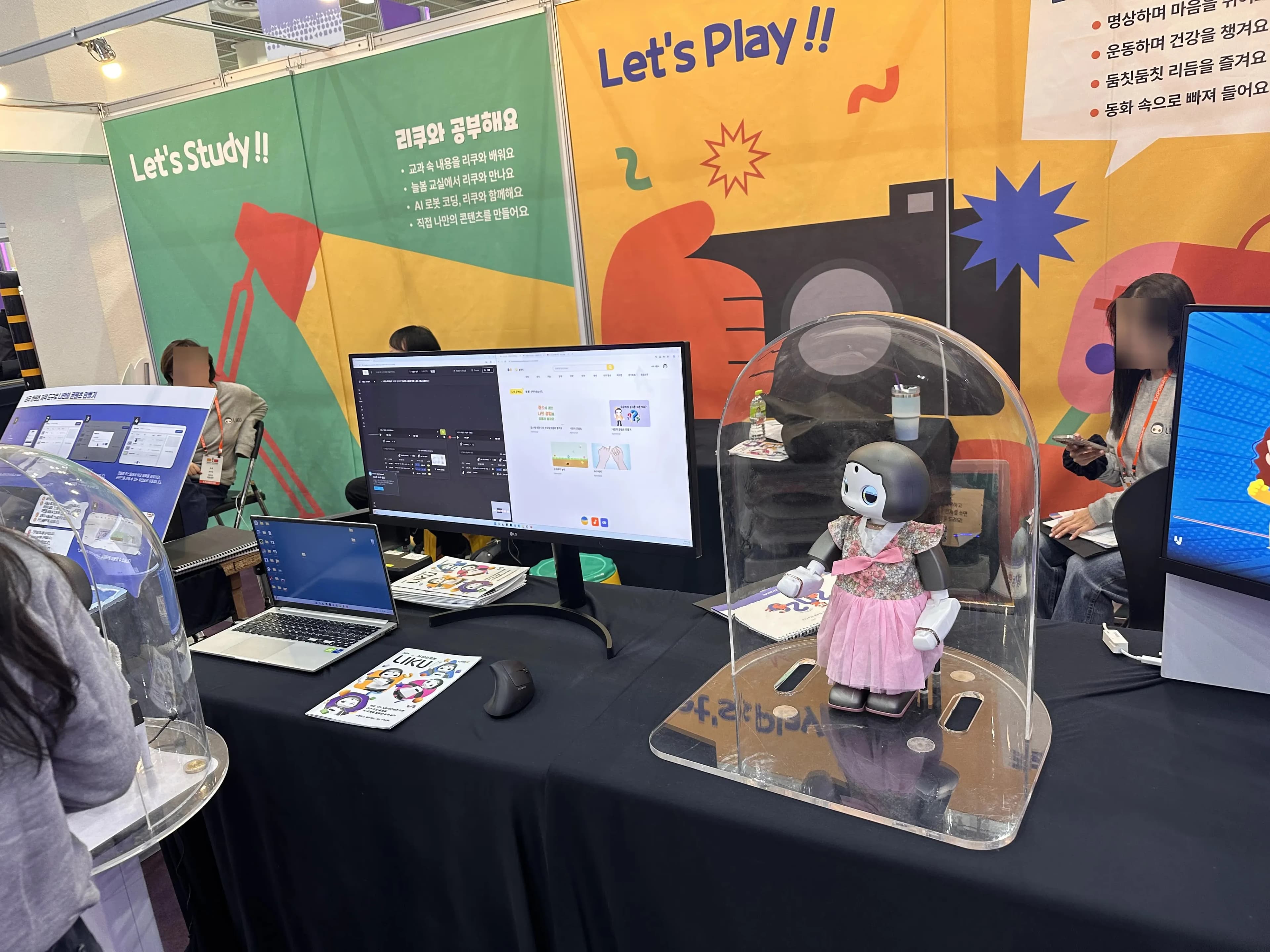
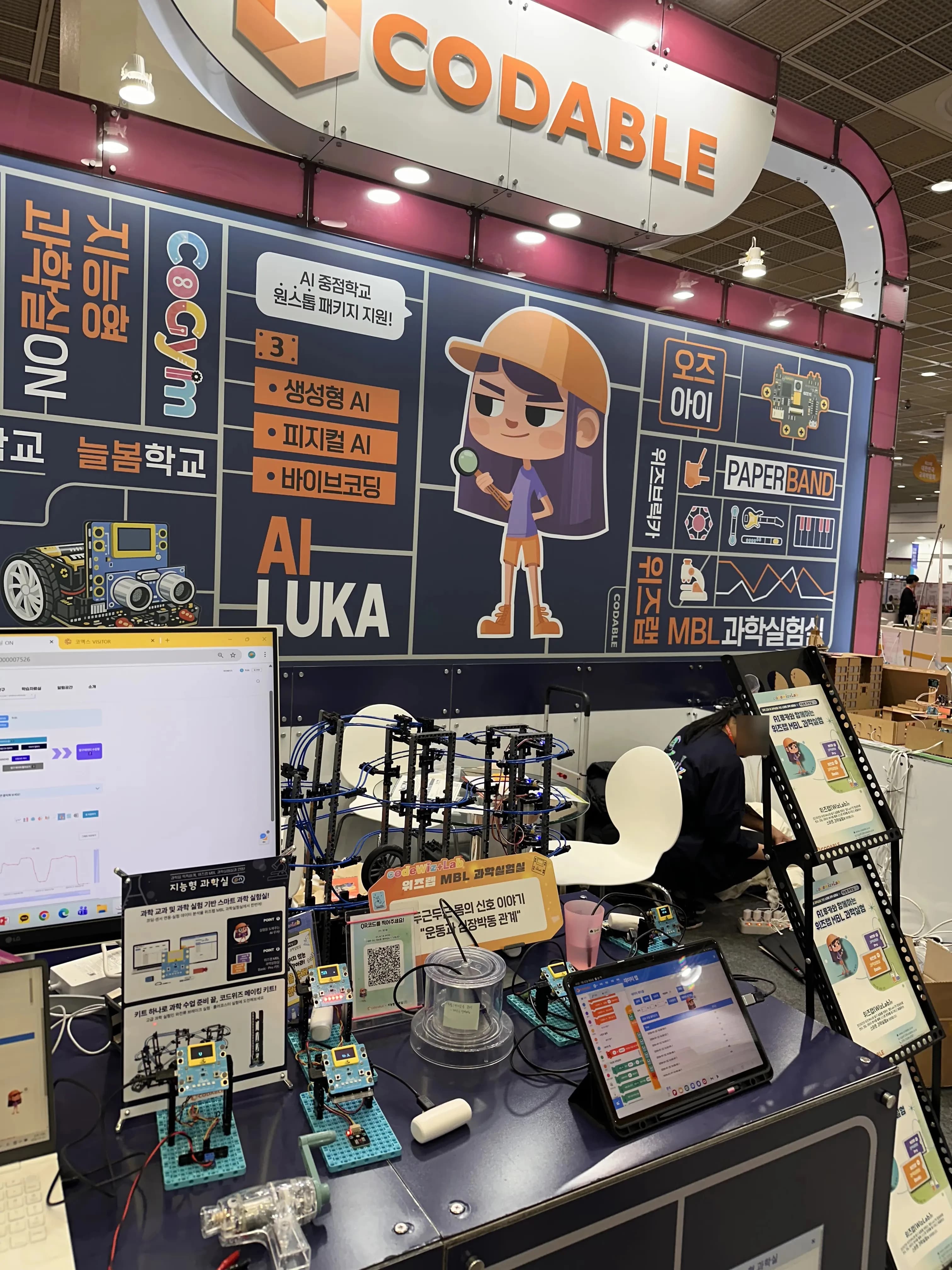
There were many different education-related companies: electronic whiteboards, Hangul coding, new coding kits, task automation, and more.
It really made me think that education is indeed a lucrative business.
3. Thoughts
The Education Expo was like a rabbit hole.
It was so big that even after walking around for hours, I kept coming across booths I hadn’t seen before.
I spent about 1 hour in the morning and 3 hours in the afternoon—around 4 hours total—and was able to check out almost all the booths.
For most of them, I just passed through quickly.
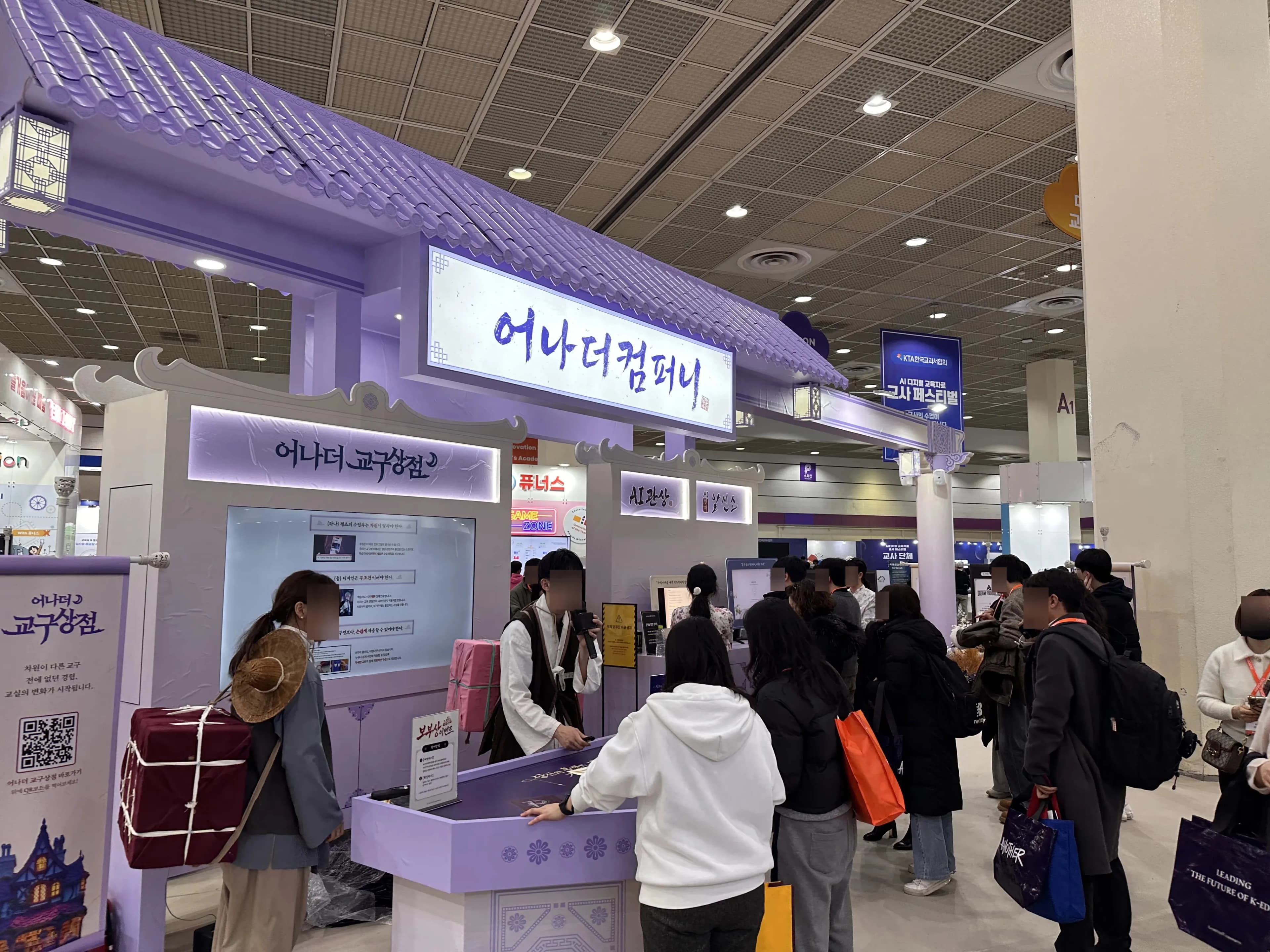
Inside, I was exposed to many new things and got to see various devices that might be good to bring into the makerspace we’re setting up at school.
I also newly realized that there are this many companies related to education.
It was fun walking around the booths and collecting all kinds of freebies.
Even though I paid 8,000 won to get in, when I added up everything I received inside, the admission fee didn’t feel like a waste at all.
Next year’s Education Korea Expo is scheduled for January 27–29, 2027.
I definitely want to go to the next one.
It was a great opportunity to gain both insights and gifts at the same time.


댓글을 불러오는 중...