Right after the new semester started, I found out there would be a total lunar eclipse, so I decided to observe it with the students.
Since we would be out there anyway, I thought it would be nice to include other students as well, so we promoted it through the school broadcast.
1. Overview of the Lunar Eclipse
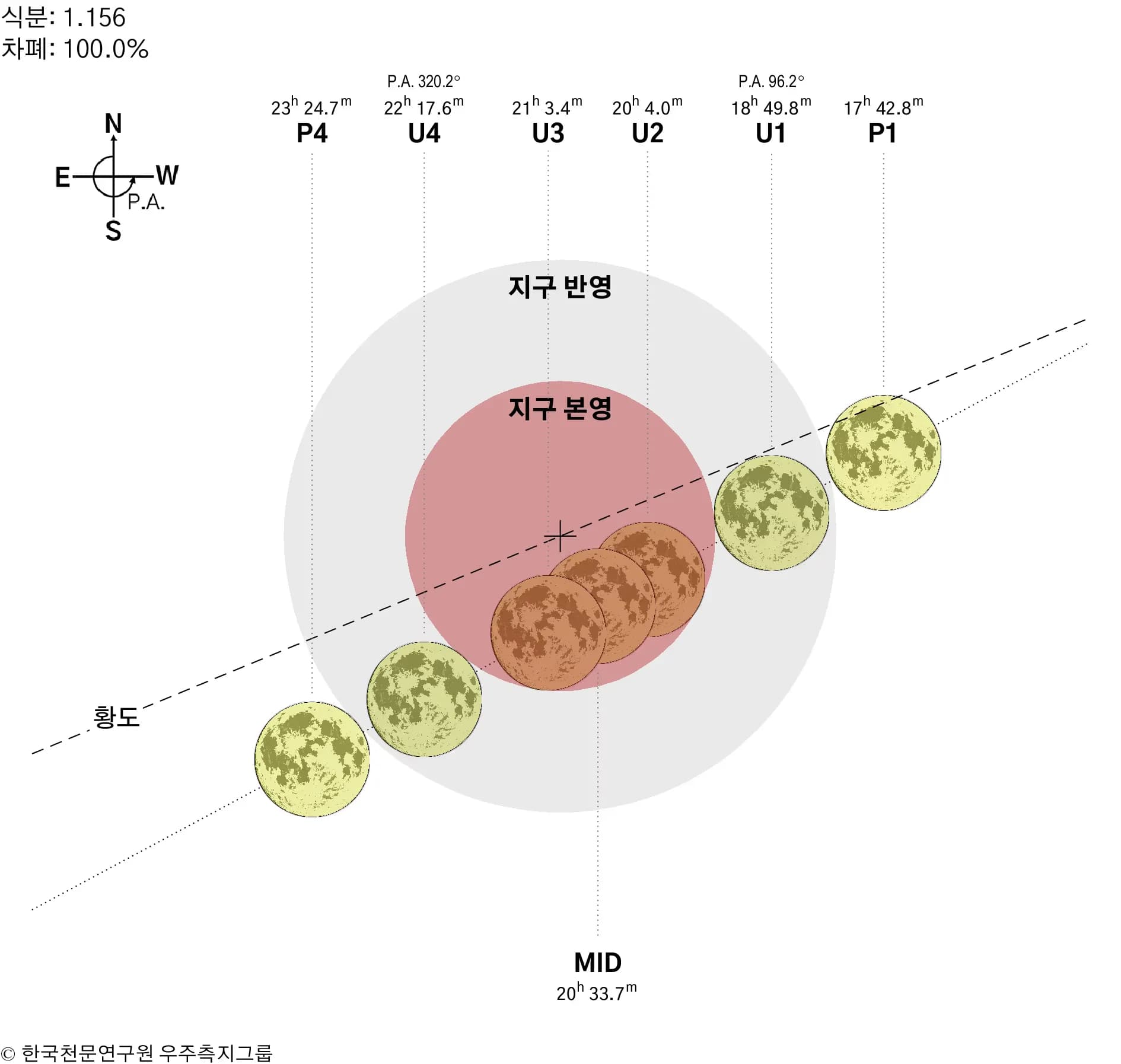
The lunar eclipse lasted a little over 5 hours, from 17:42 to 23:24.
When observing from the ground, because of the surrounding terrain and structures, it only becomes observable around 20:00.
2. Lunar Eclipse Observation Photos
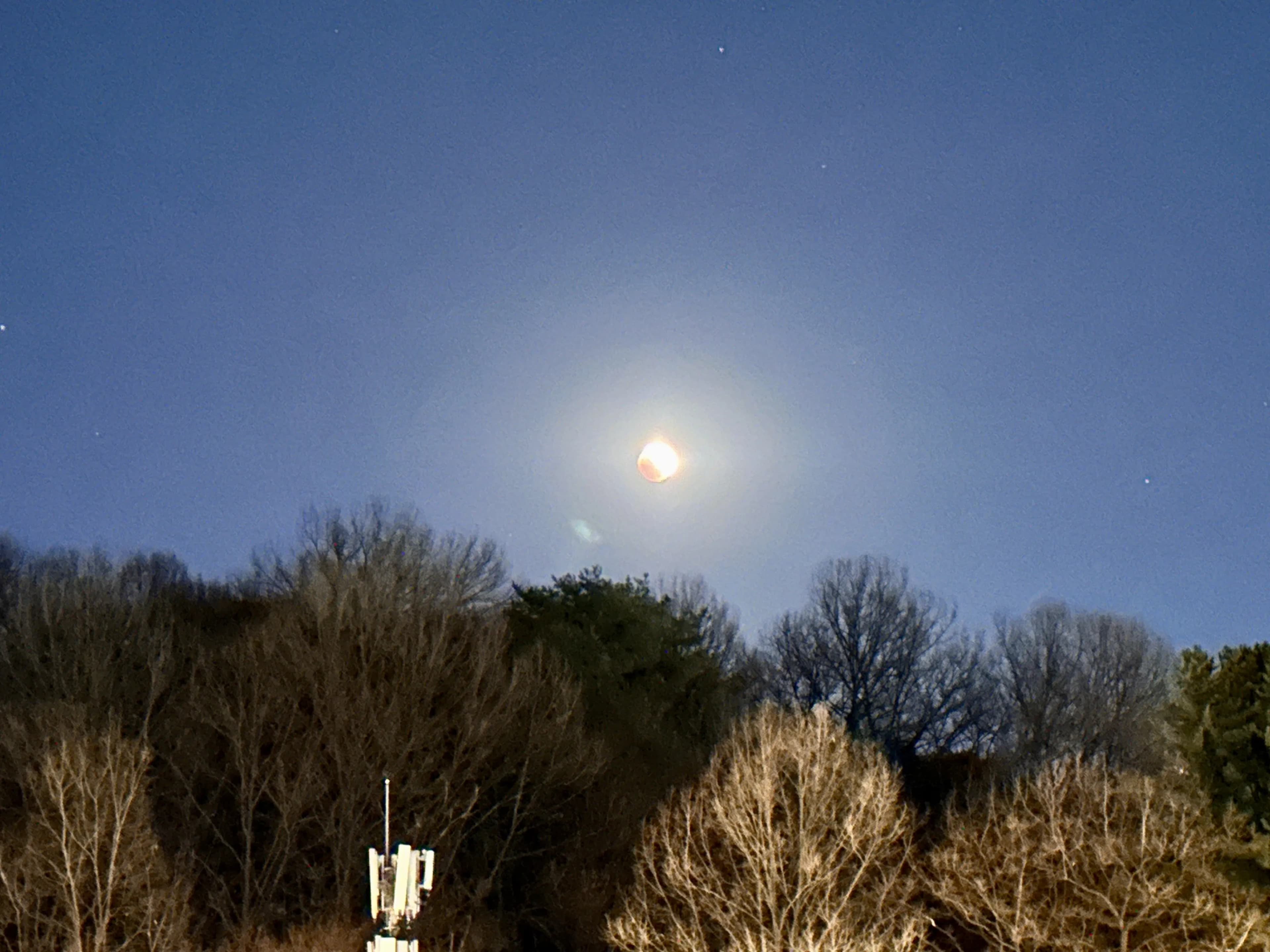
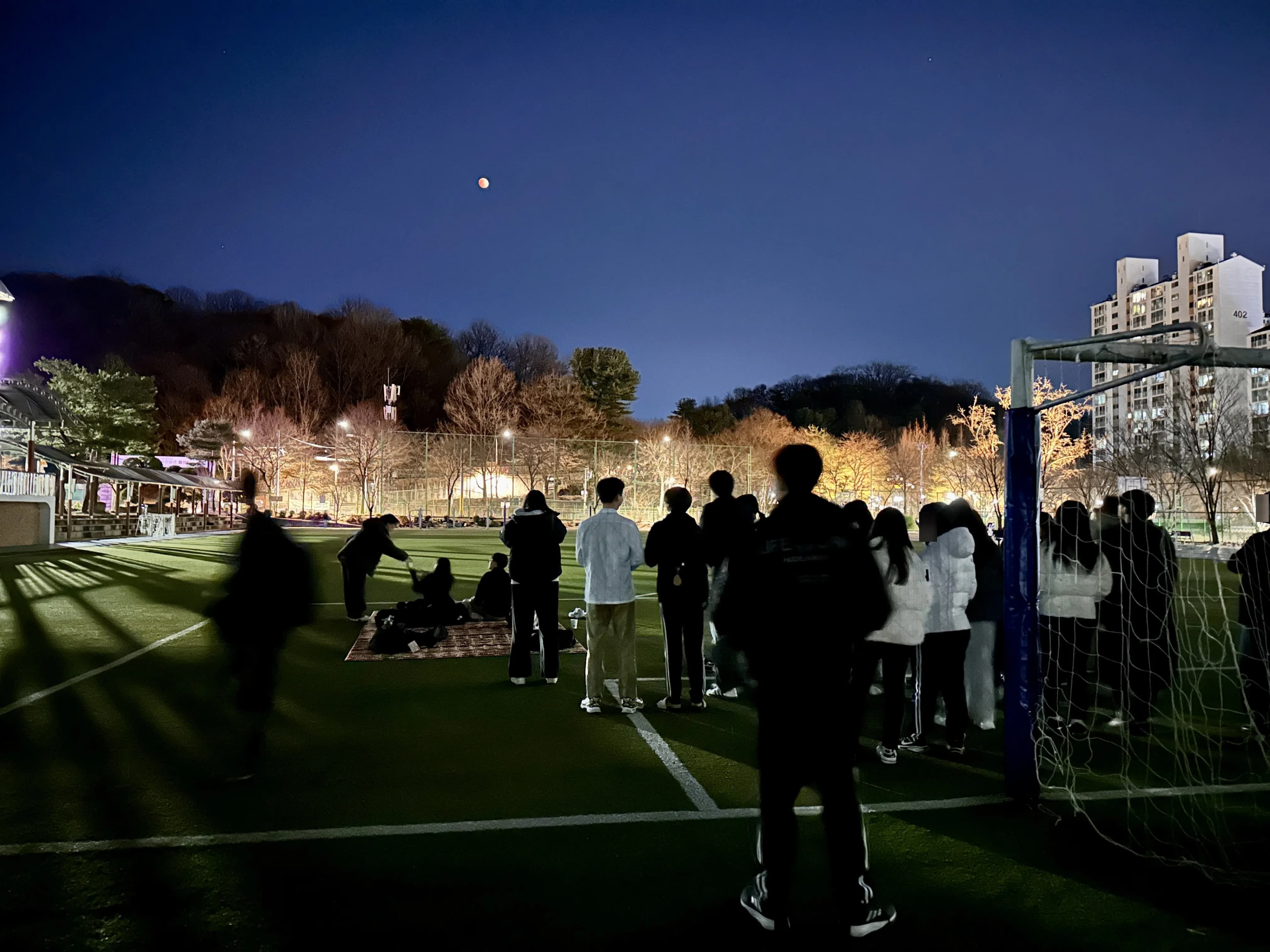
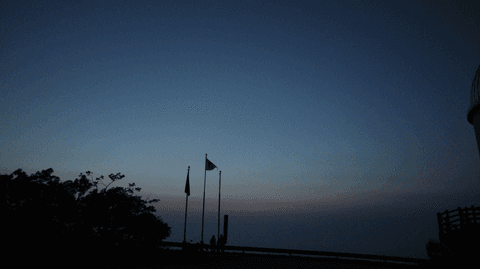
Just before 20:00, the Moon rose over the mountains to the east.
Since the eclipse was already underway to some extent, even with a simple camera one side of the Moon came out dark.
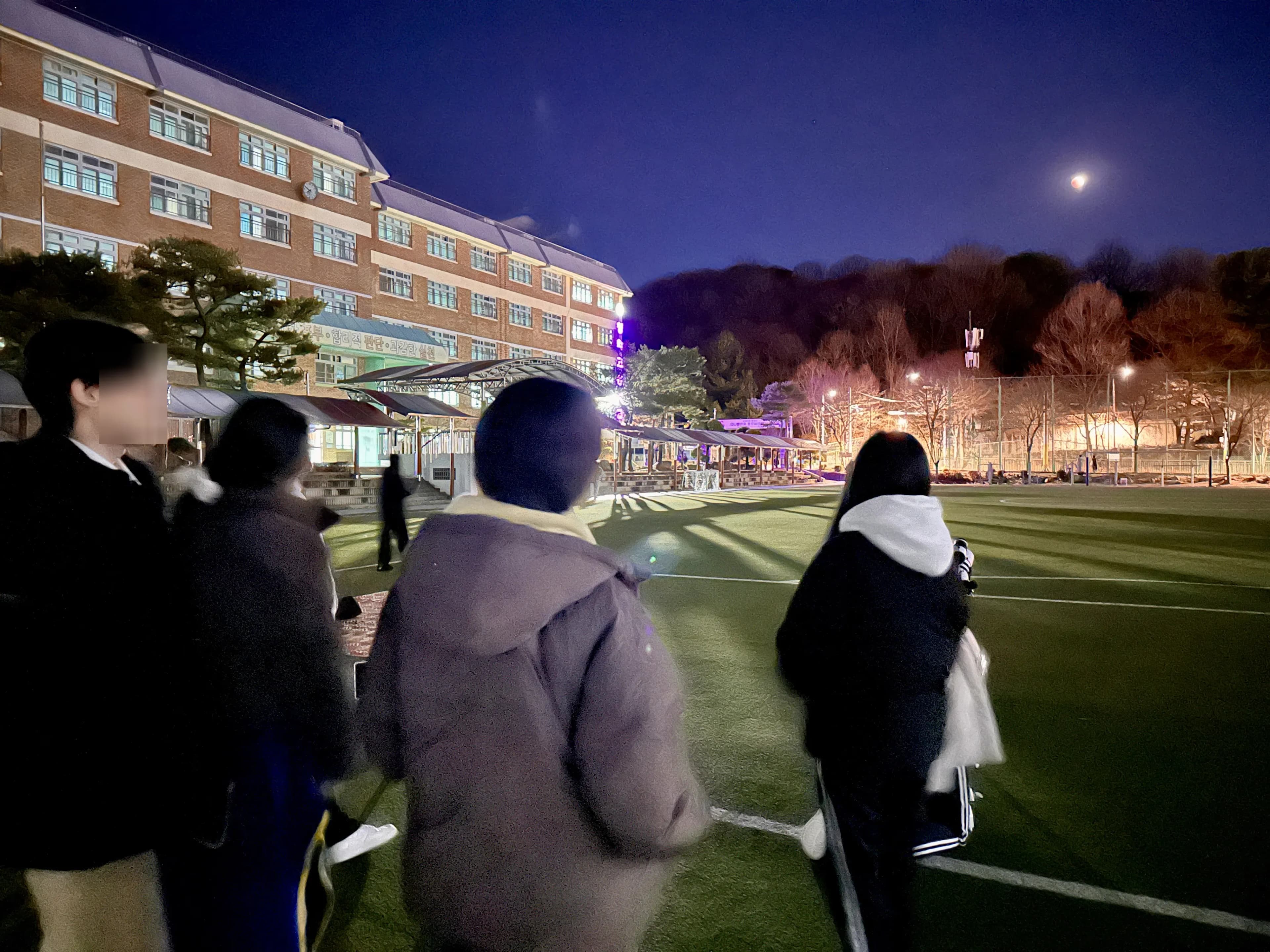
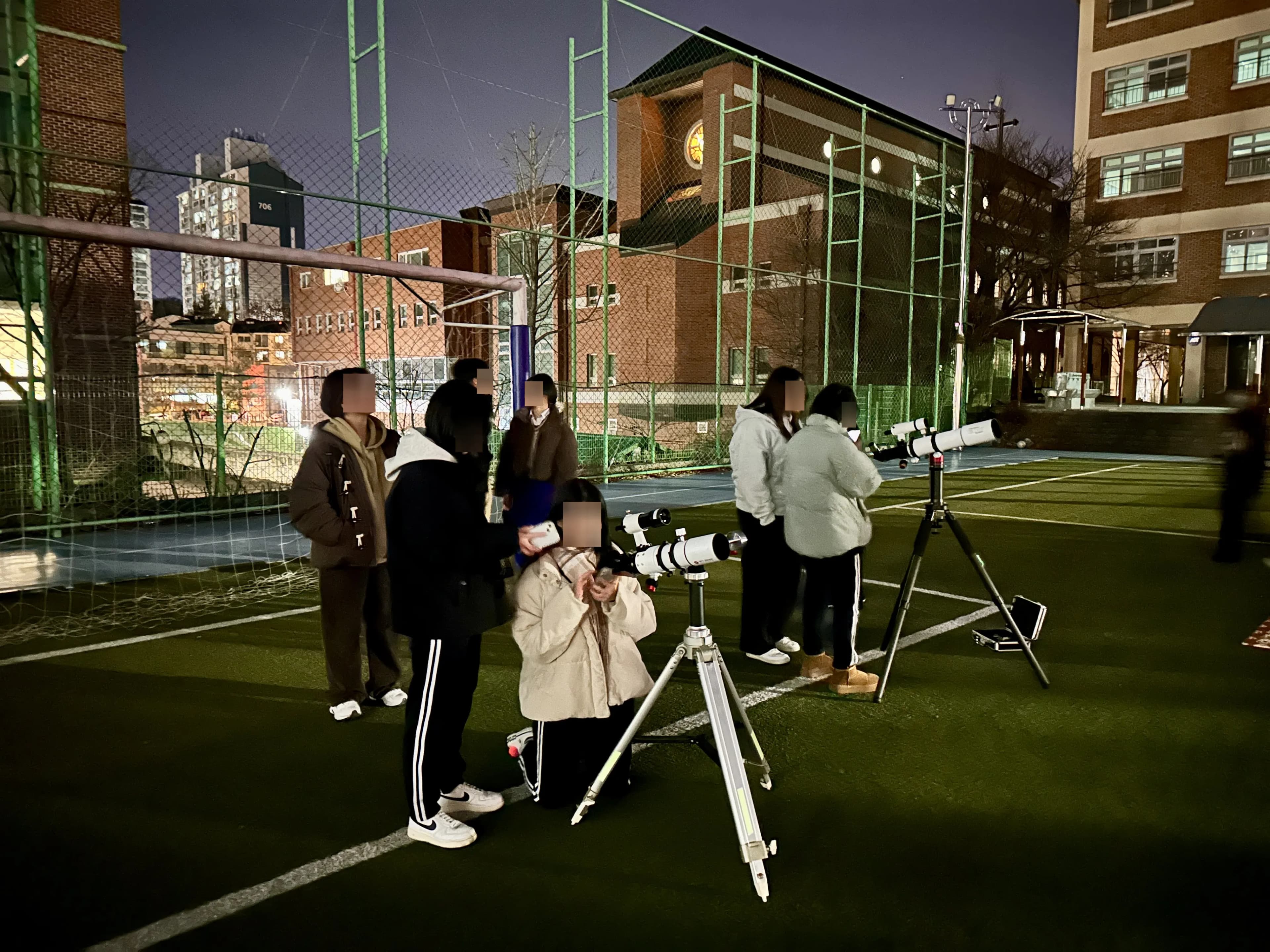
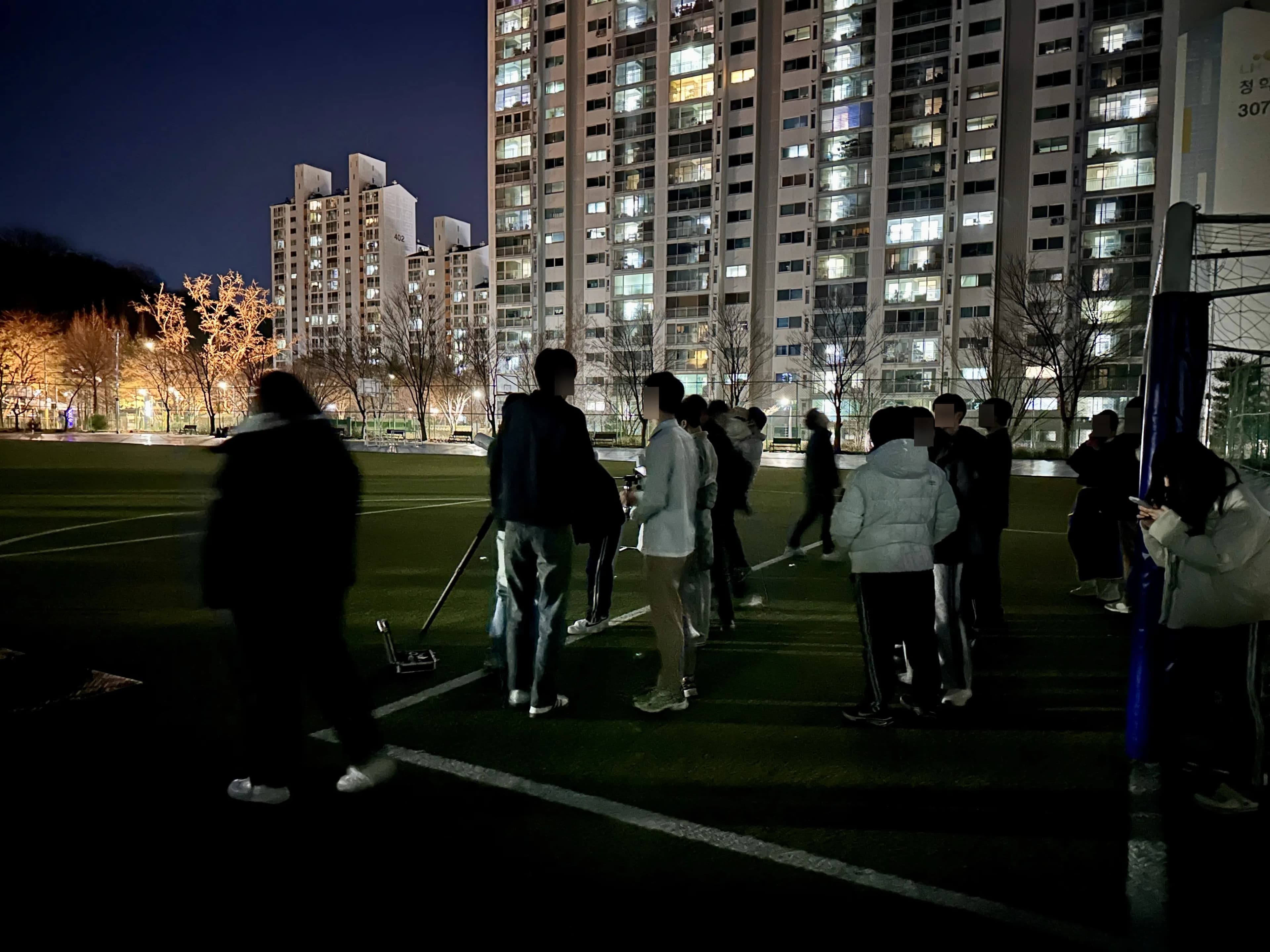
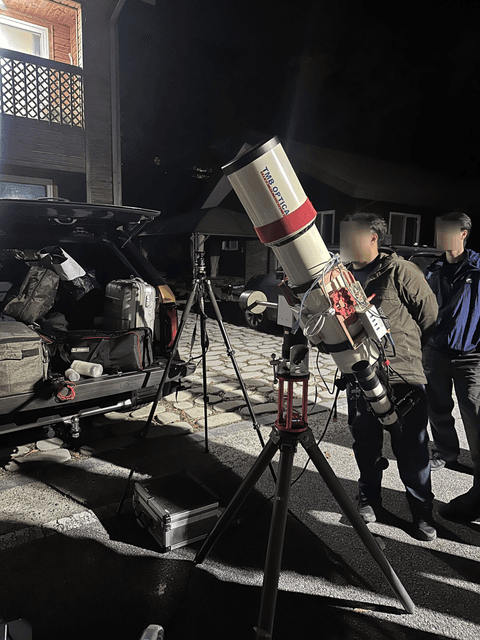
We set up the telescope at the far western end of the school playground.
Students who were in evening self-study and kids from the nearby neighborhood observed the lunar eclipse together.
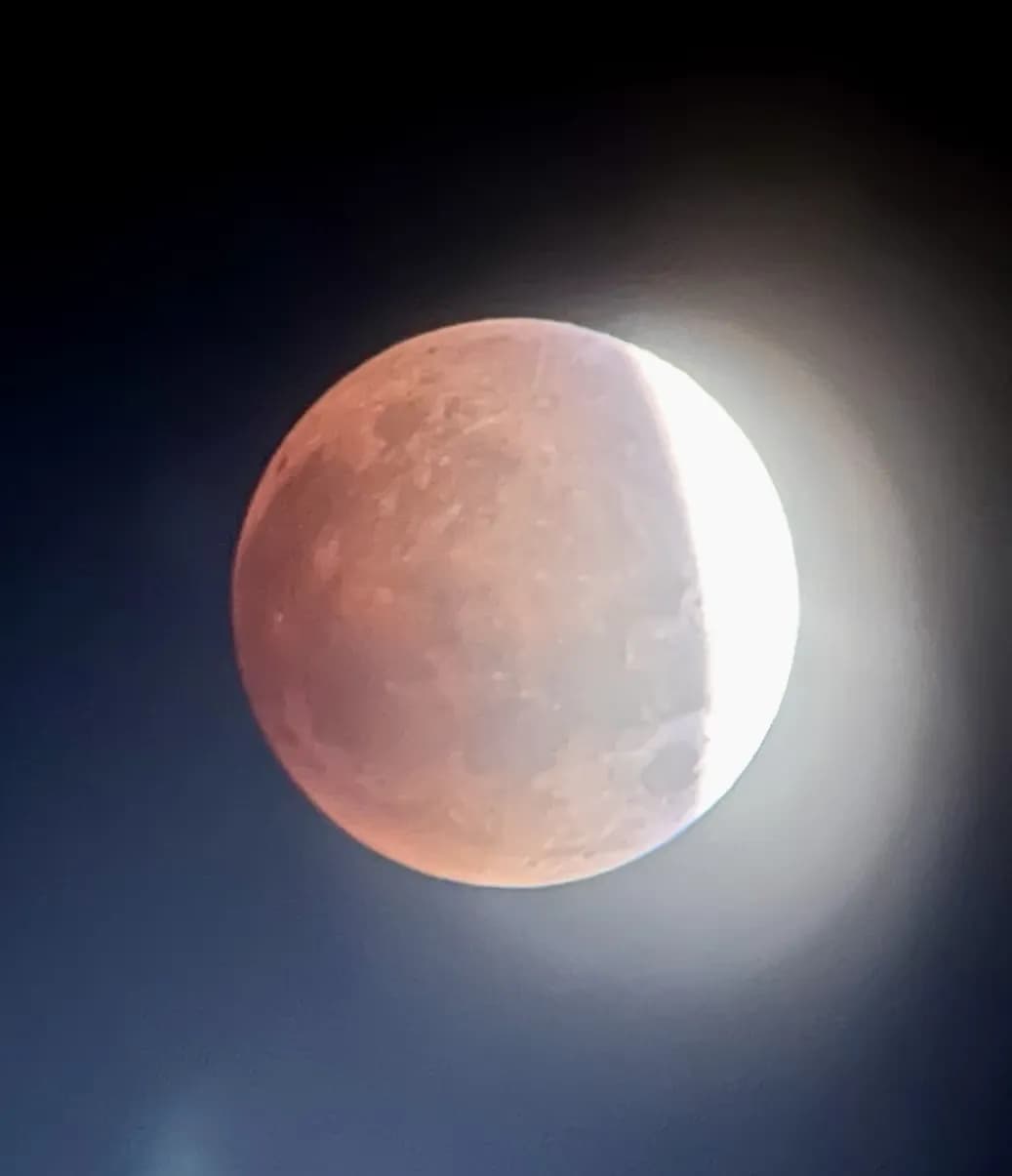
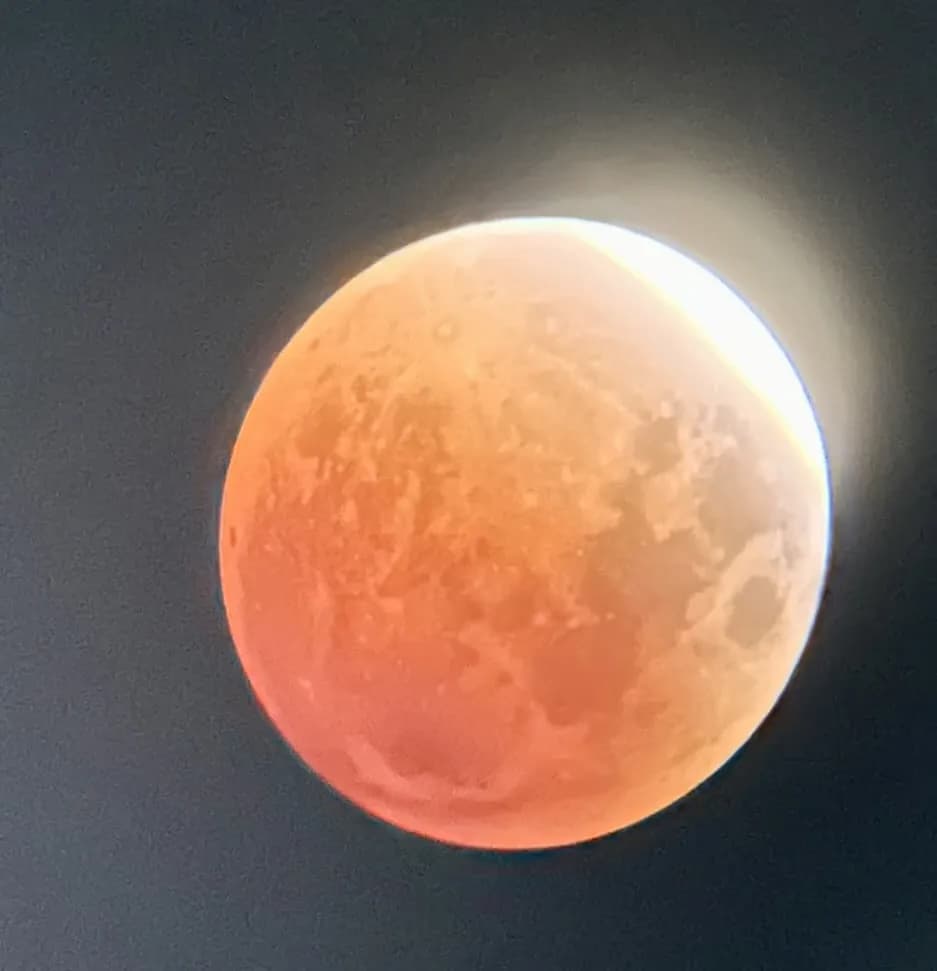
Every now and then, some of the kids asked why the Moon looked red.
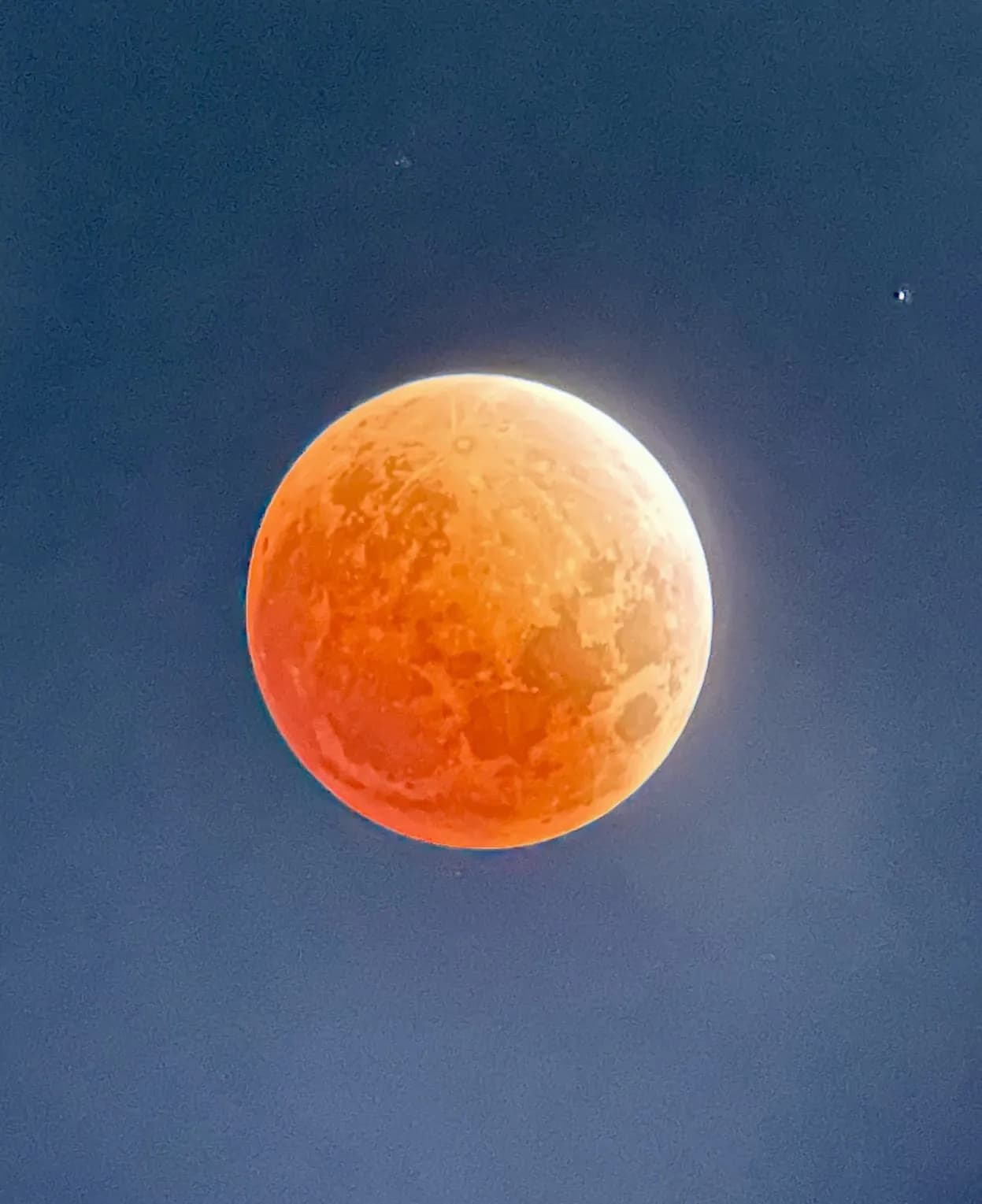
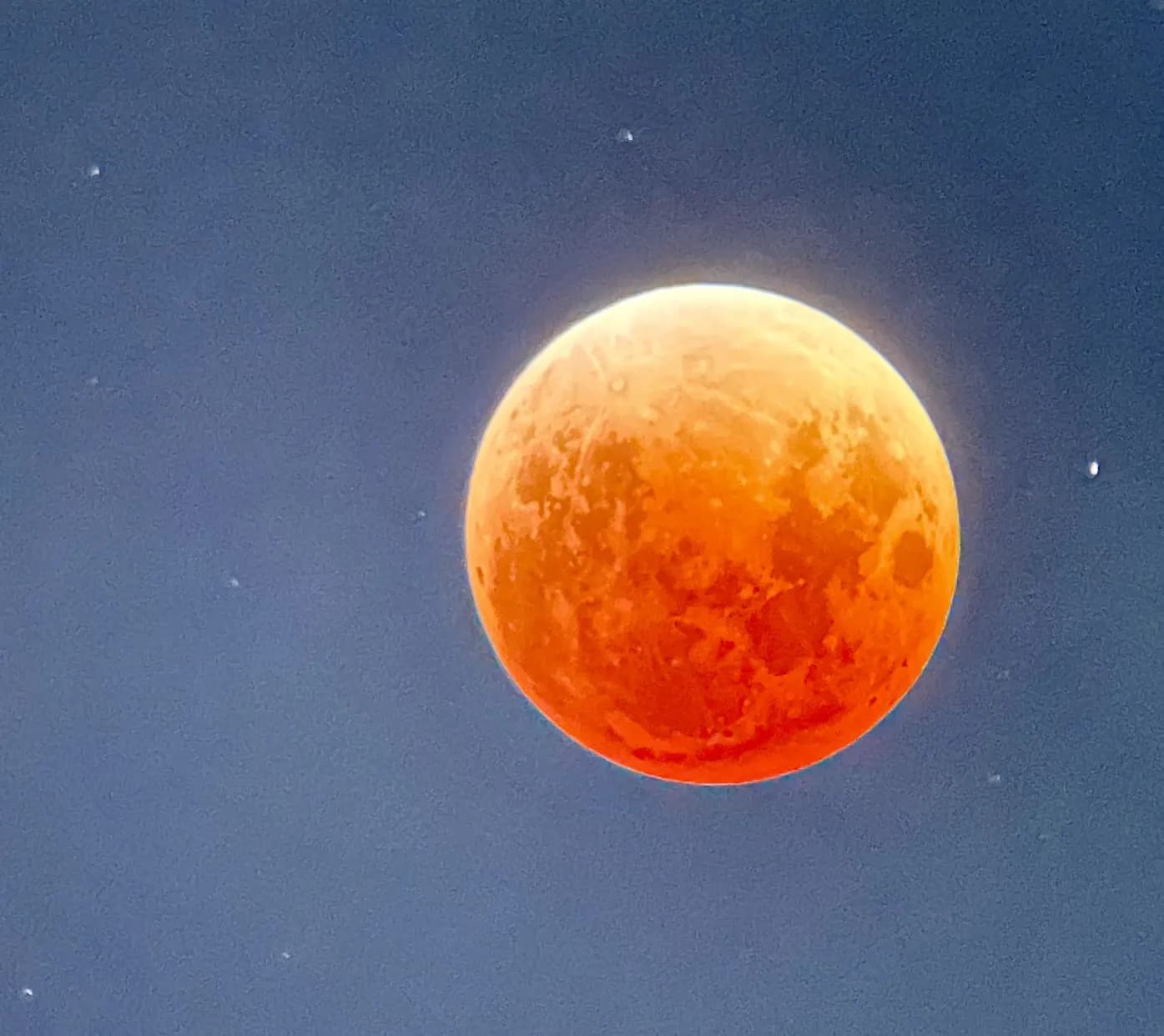
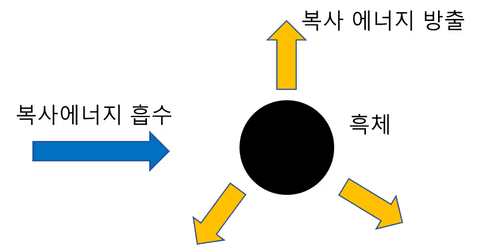
The reason the Moon appears red during a lunar eclipse is similar to why the Sun looks red when it sets.
The light passing through Earth’s atmosphere is scattered and refracted, and only the longer-wavelength red light remains and reaches the Moon.
That’s why the Moon appears red, and it’s called by various names such as the Red Moon or Blood Moon.
3. Impressions of the Lunar Eclipse Observation
We were able to observe the eclipse well, and we also observed Jupiter and other constellations together with the kids.
It had rained the day before, so I was quite worried that it might be cloudy, but fortunately the weather was great, which was a big relief.
Around 21:00, when the total phase was almost over, clouds suddenly started to roll in, so we packed up the telescope and called it a night.
The kids enjoyed it so much that I ended up having a great time too.
댓글을 불러오는 중...