At the suggestion of a biology teacher who really loves astrophotography, we visited the Jo Gyeong-chul Observatory.
I thought an observatory would be far from Seoul or Gyeonggi, but it was closer than expected.
1. Location
Since it's about an hour's drive away, you can go whenever you want.
On the way, beware of unpaved roads due to administrative issues between public institutions.
2. What is the Jo Gyeong-chul Observatory?
Hwacheon Jo Gyeong-chul Observatory
431 Observatory Road, Sanae-myeon, Hwacheon-gun, Gangwon Special Self-Governing Province, Korea

I didn't know what kind of place the Jo Gyeong-chul Observatory was, but I found out it's operated by a public institution.
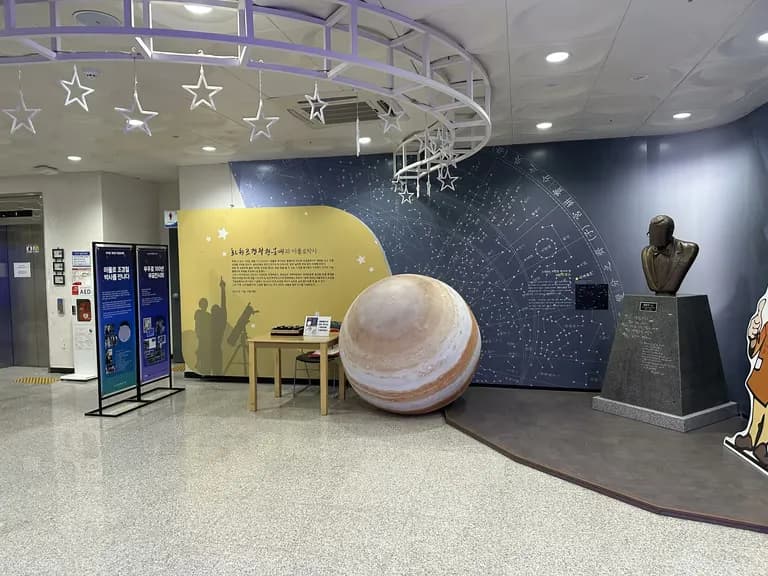
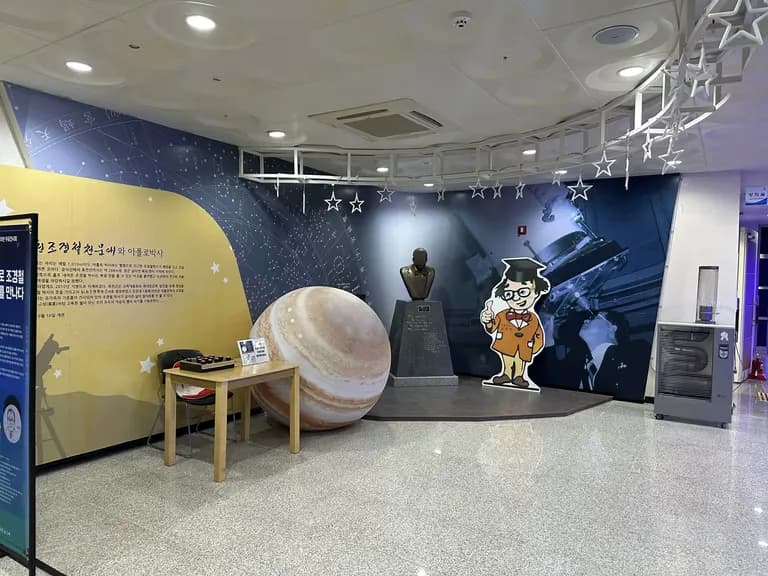
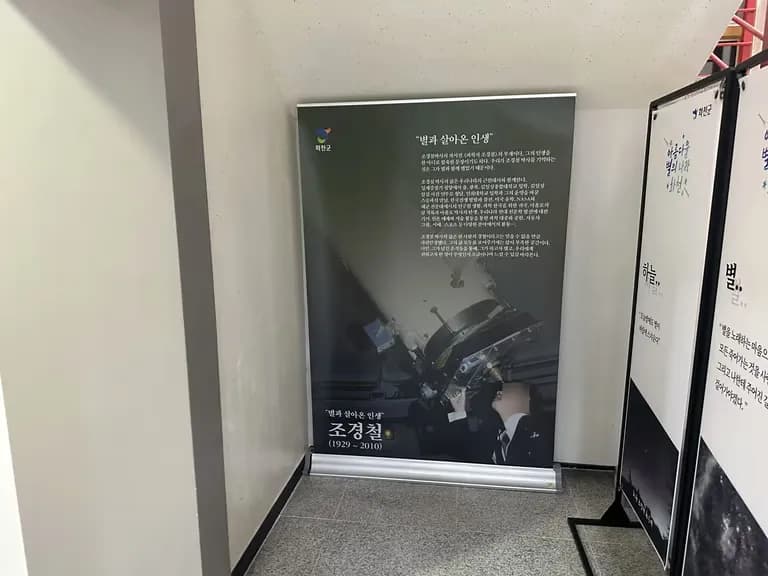
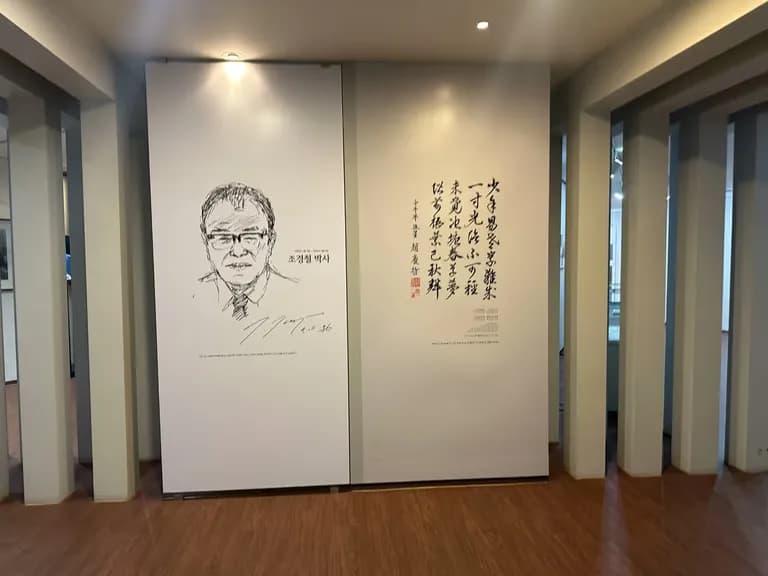
It was named after the astronomer Jo Gyeong-chul, who dedicated his life to astronomy.
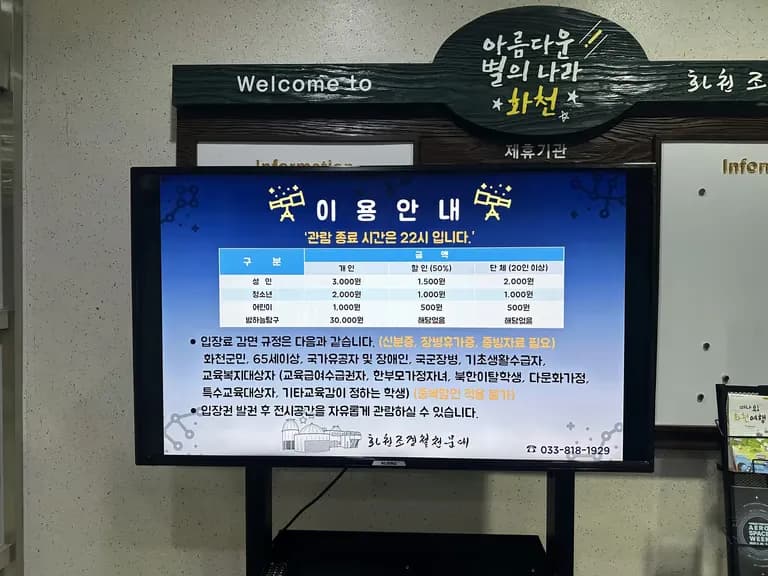
Please refer to the above photo for entrance fees and operating hours.

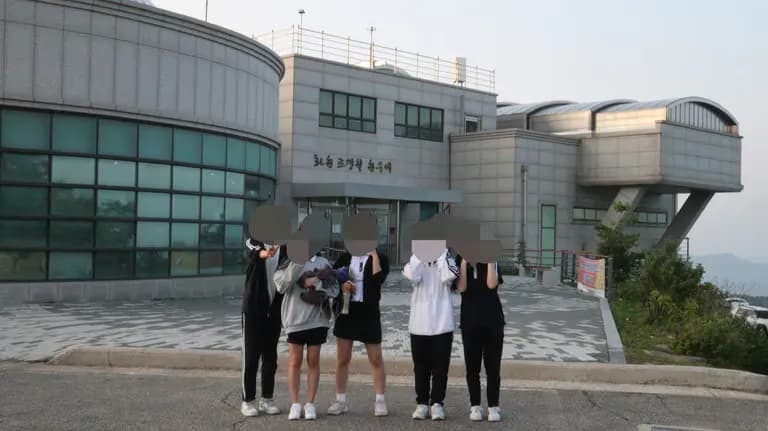
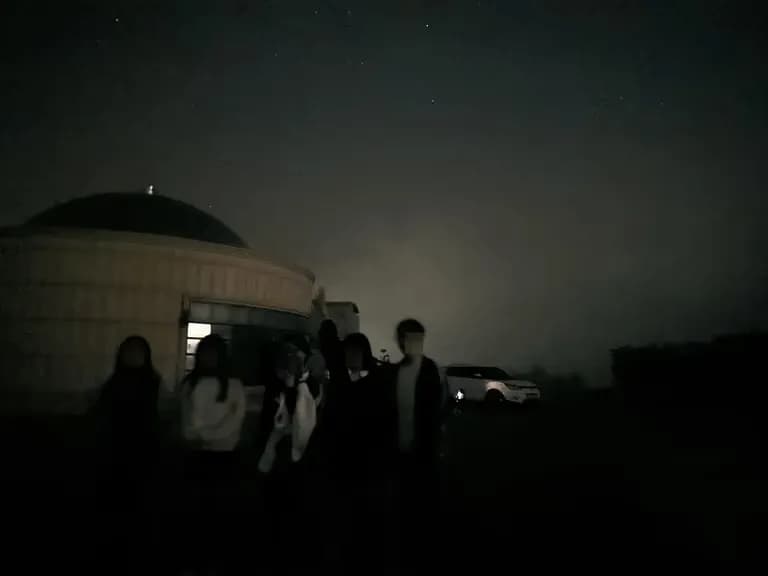
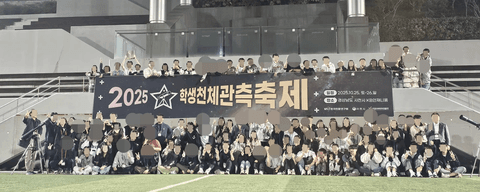
First, we took photos with the kids at the Jo Gyeong-chul Observatory.
Initially, six people were supposed to participate, but one couldn't come due to a schedule at the academy.

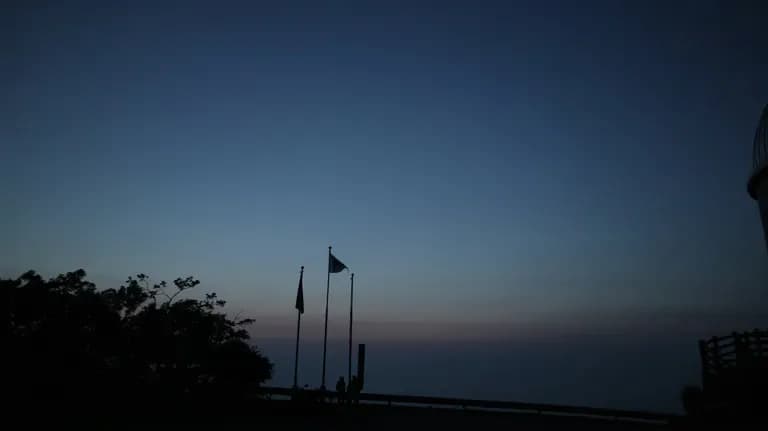
Since it was summer, the days were long, and it was only dim by 8 PM.
The stars began to appear shortly after sunset.
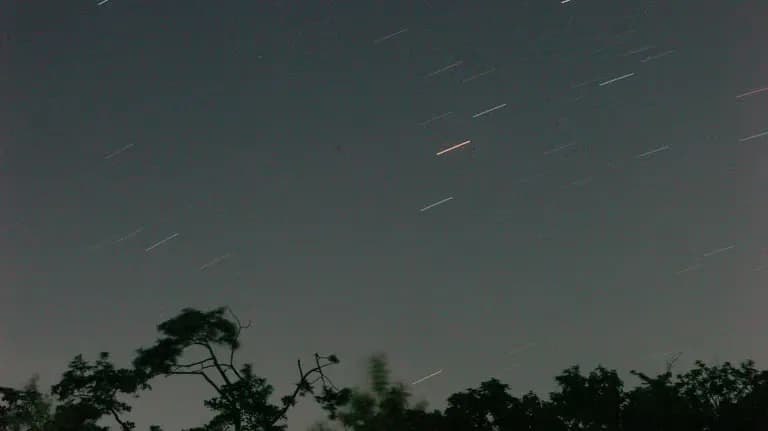
We also tried capturing the celestial motion in the eastern sky.

The students entered with the school's budget, while the teachers used their own money.
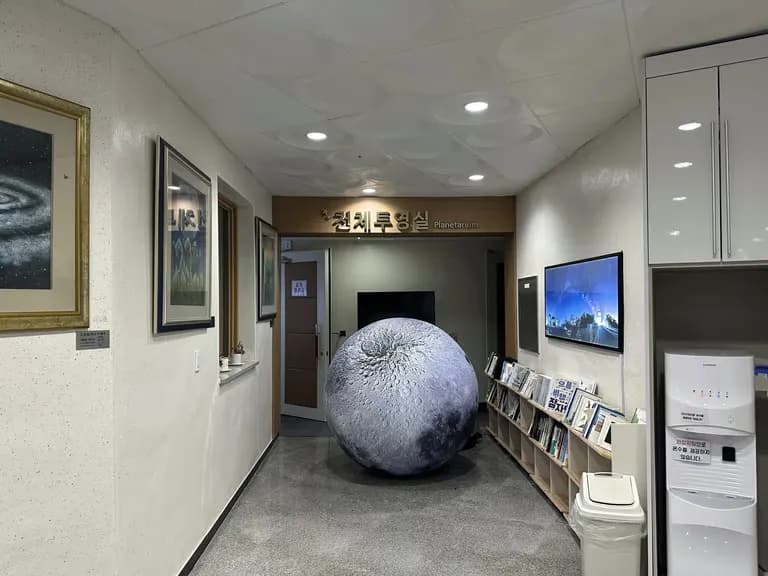
We started by looking around the first floor.


Unfortunately, the planetarium was under repair.
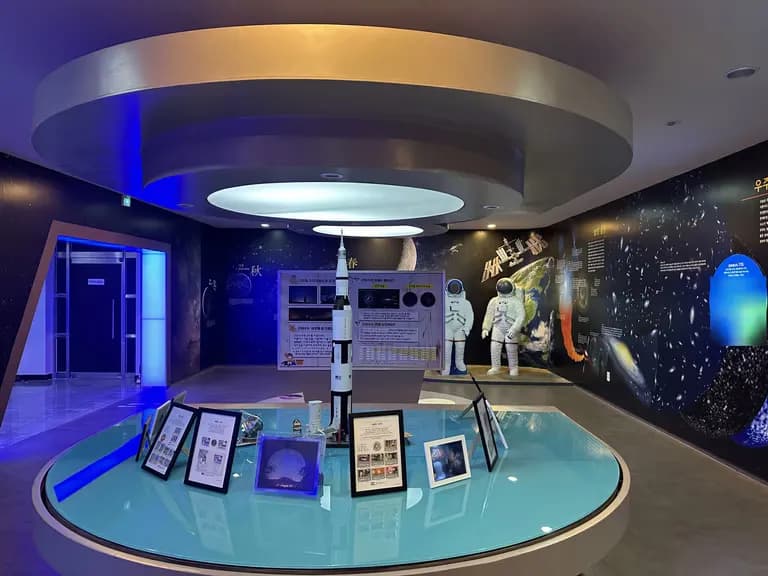
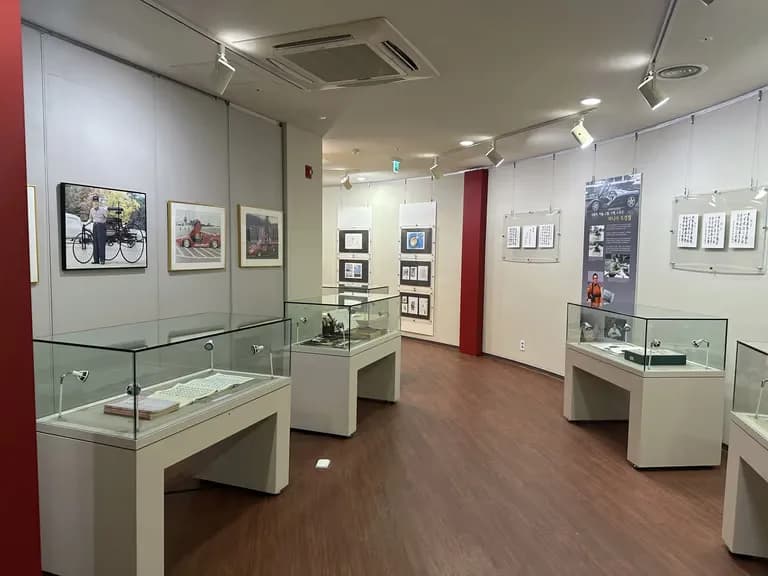
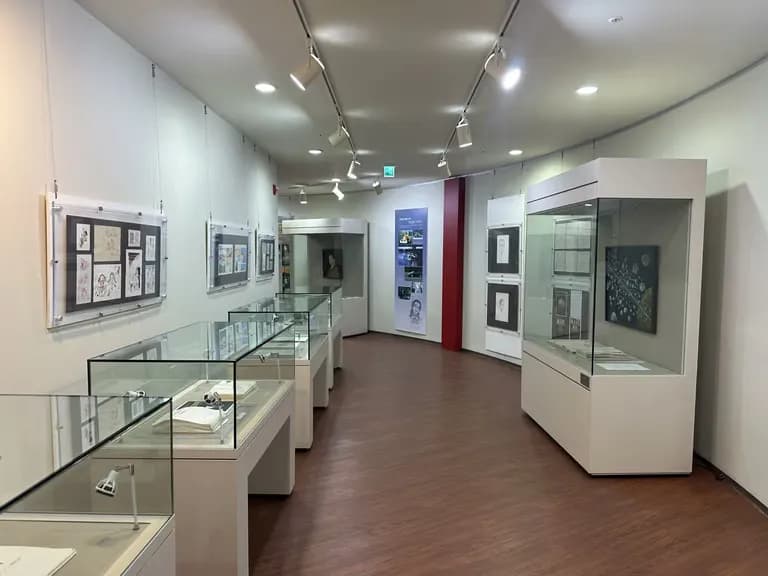
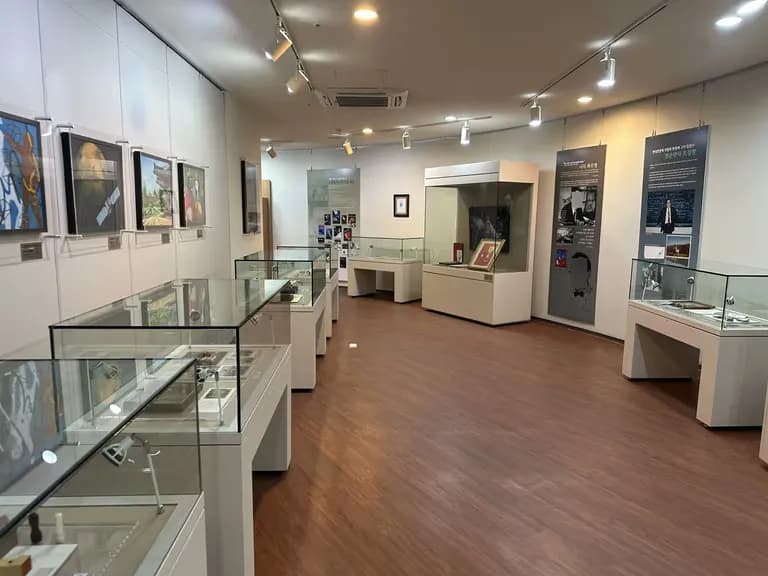
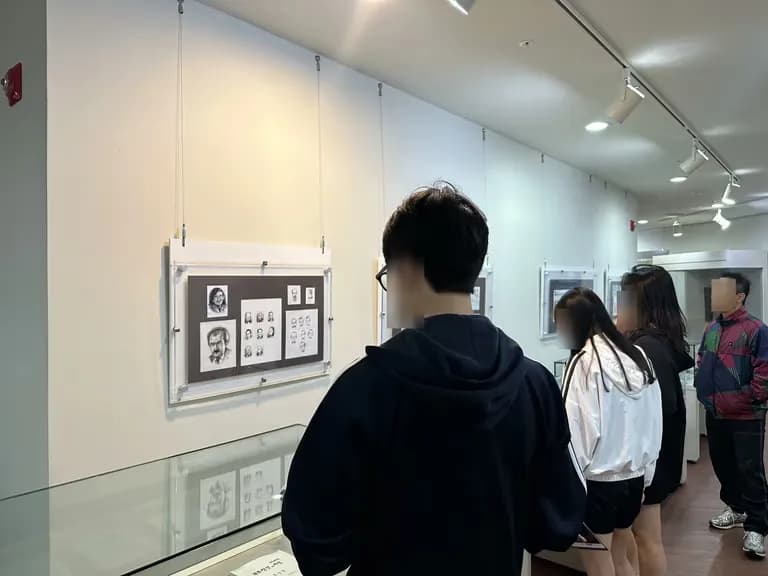
We decided to visit the exhibition hall in the basement.
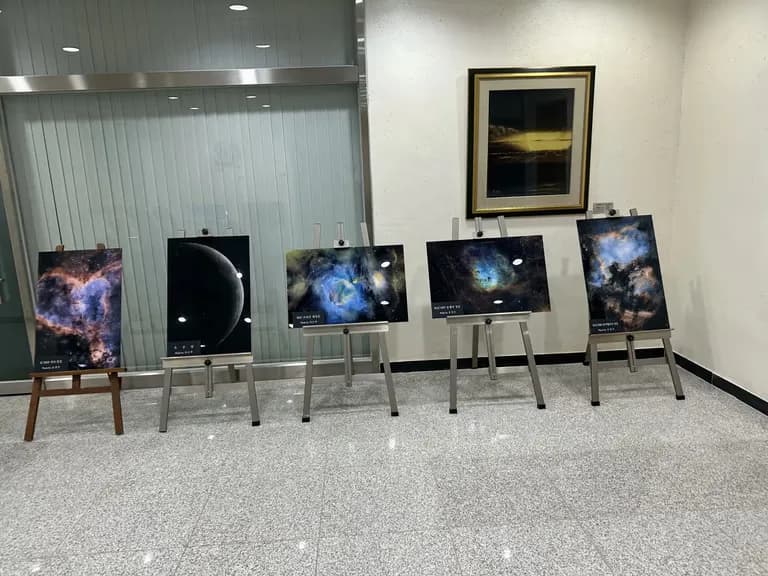
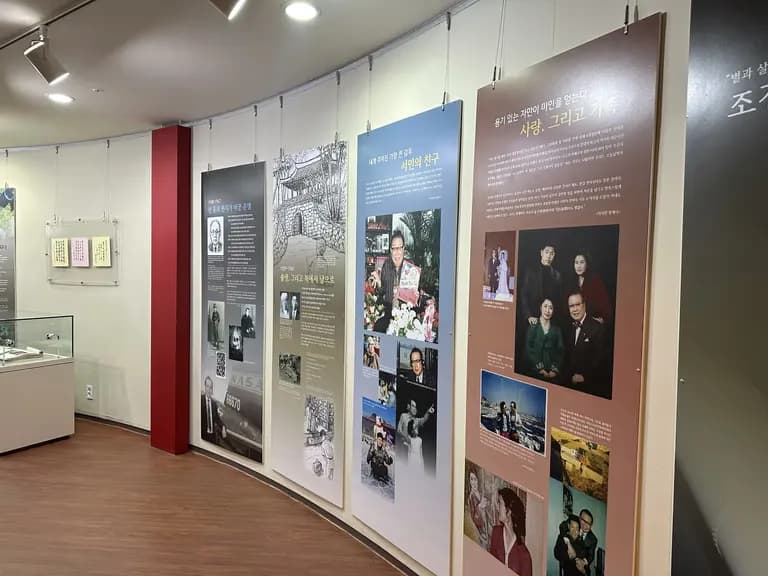
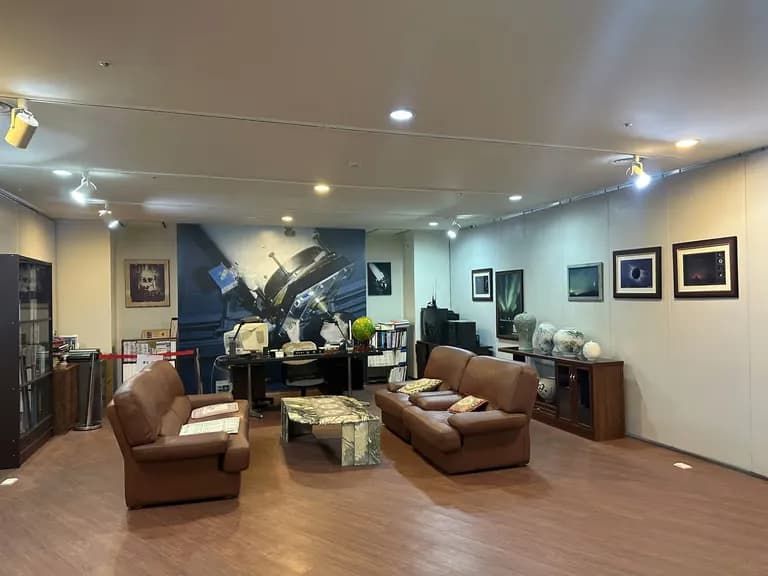
The basement mostly exhibited astrophotography and items related to the life of astronomer Jo Gyeong-chul.


Since the observation times are fixed, make sure to check the schedule.
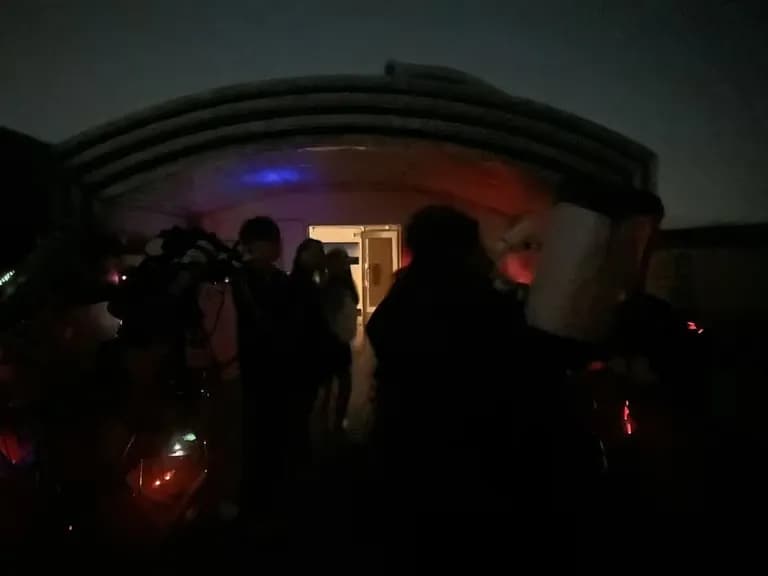
We observed during the last session at 10 PM.

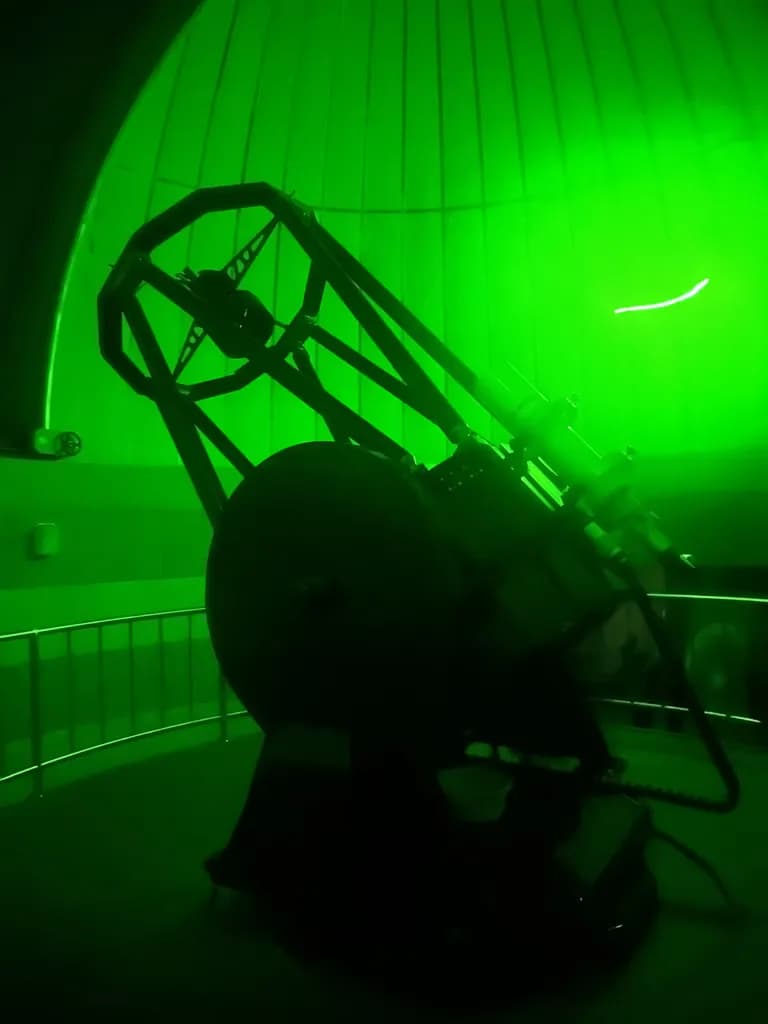
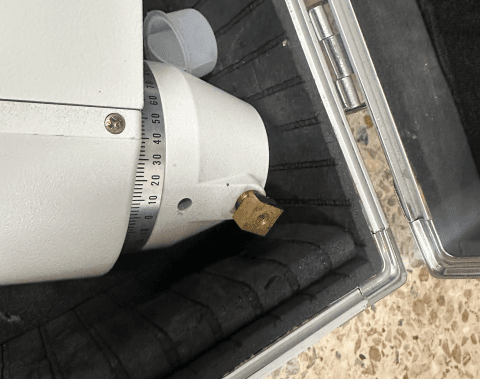
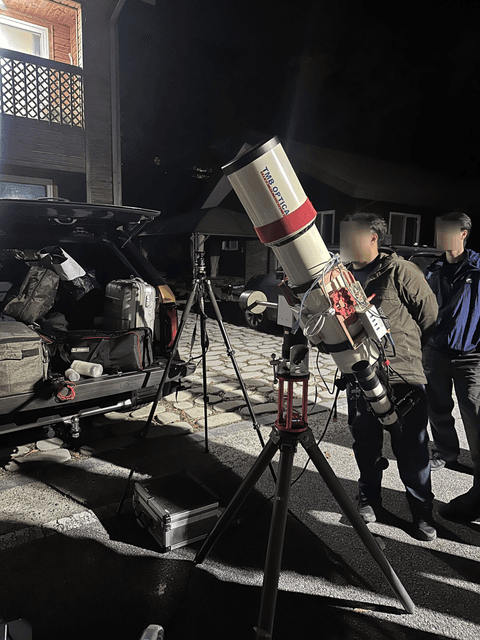
There was a massive reflecting telescope.
This telescope cost around 1.5 billion won in 2010, which is now equivalent to several apartment prices.
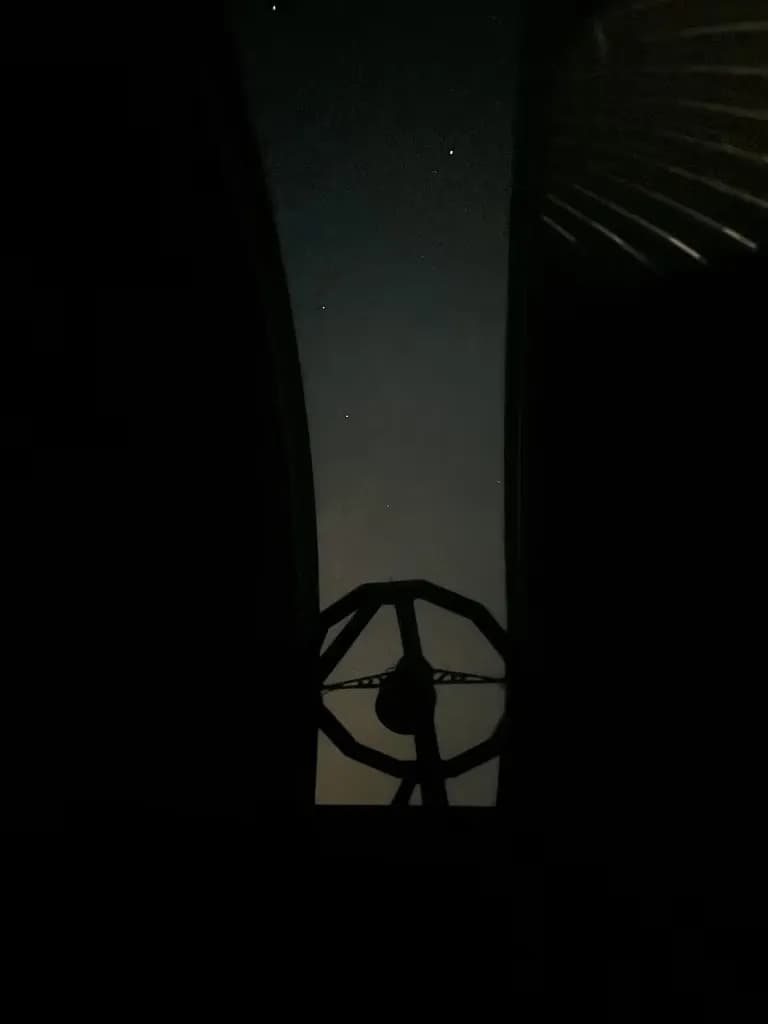
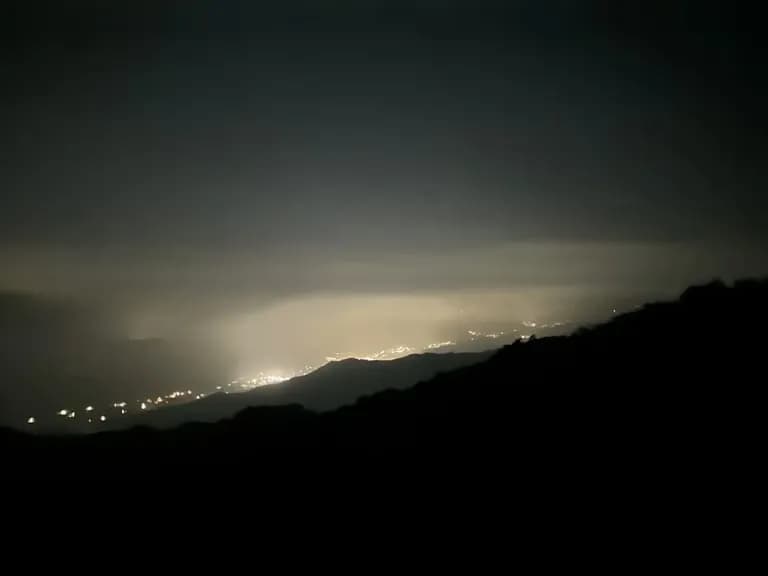
Despite cloudy conditions due to the föhn phenomenon, the Ring Nebula and globular clusters could be distinguished with the naked eye.


After touring the observatory and stepping outside, there was a lot of dew on our equipment.
It was the first time water touched the mirrorless camera I bought seven years ago.
It was nerve-wracking.


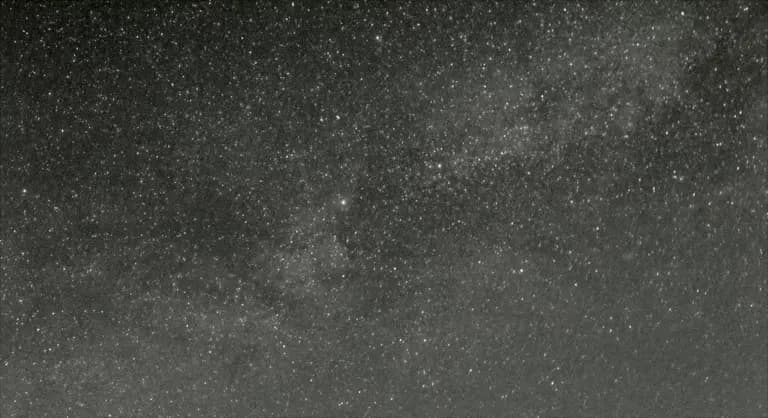
Without equipment capable of tracking celestial motion, we tried using a fixed exposure and stacker.
Still, despite the not-so-bad weather, the Milky Way was faintly visible.

3. Review
Due to various administrative issues, it's really hard to go anywhere with students these days.
Thankfully, the biology teacher handled all the planning and student travel insurance, making it easy for us.
I was amazed that you can see the Milky Way just an hour's drive from Seoul.
If you visit during good weather, you can probably see a very clear Milky Way.
It's a place I want to visit again with proper equipment next time.
댓글을 불러오는 중...