블로그를 개설하기 위해 이것 저것 알아보던 중, 워드 프레스를 운영하려고 한다면 서버 운영에 대해서는 조금 알아야 한다는 사실을 알게 되었고, 서버들은 대부분 리눅스로 이루어져 있다는 것도 알게되 었다.
그래서 리눅스 중 가장 많이 배포되어 있는 우분투(Ubuntu)를 사용하면서 리눅스에 익숙해져 보기로 했다.
이번에는 우분투에서 VS Code를 이용해 파이썬 개발환경을 설정해보는 것이다.
그리고 이 과정에서 쓰는 몇가지 명령어의 의미를 알고 넘어가고자 한다.
1. VS Code 설치하기
보통 대부분의 글들은 터미널과 sudo wget 명령어를 이용해 컴파일을 다운 받는다.
wget은 web get 의 약자인데, 주어진 url 소스에 있는 파일을 다운받는다.
결국에는 wget 명령어를 쓰기 위해서는 그 사이트에 들어가서 주소를 복사해야 한다.
결국 그냥 홈페이지에서 다운 받으나, wget을 쓰나 똑같다.
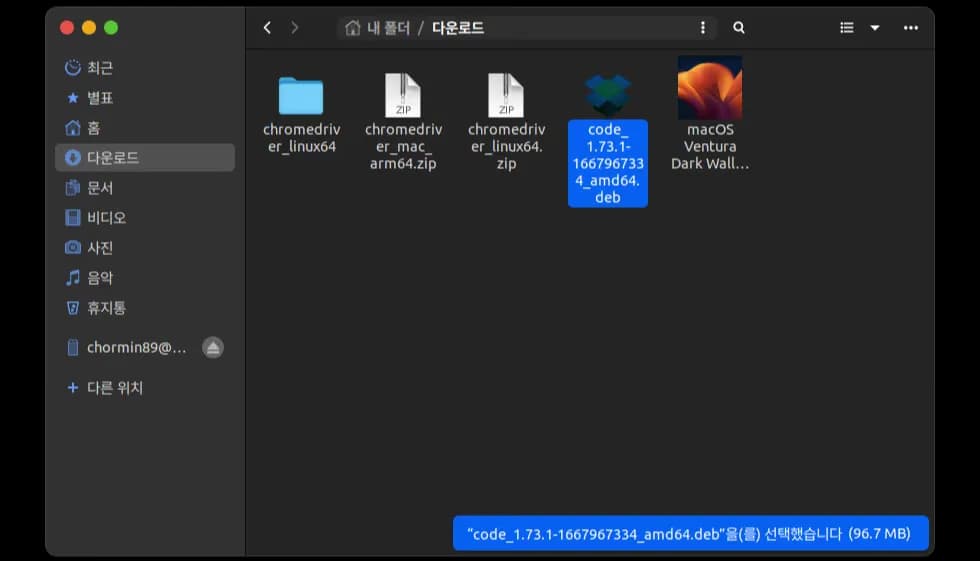
그러니 그냥 우리는 아래 사이트에서 클릭으로 편하게 다운받자.
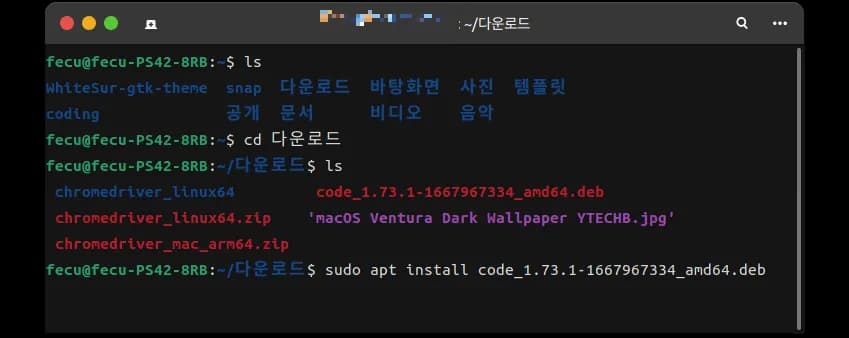
그리고 탐색기를 열어 파일 위치를 확인한 후, Ctrl + Alt + t를 눌러서 터미널을 실행한 다음 파일을 실행해 본다.
$ sudo apt install code_1.73.1-1667967334_amd64.debsudo 는 윈도우로 치면 관리자 권한을 뜻한다.
그리고 apt는 우분투에 있는 패키지 관리자로 윈도우의 MS Store, 혹은 Mac OS의 App Store와 비슷하다고 생각하면 된다.
apt 명렁어와 apt-get 명령어는 출력하는 내용의 차이만 있을뿐 거의 비슷하다고 생각하면 된다.
apt를 이용하지 않고 다운받은 파일을 사용한다면 아래와 같은 명령으로 설치할 수도 있다.
$ sudo dpkg -i code_1.73.1-1667967334_amd64.debapt 명령어가 우분투 서버에서 패키지를 받아 설치하는 것이라면, dpkg는 다운받은 파일을 통해 패키지를 설치하는 것이다.
둘 중 그 무엇을 이용해도 상관은 없지만, 안정적인 설치를 위해서는 apt를 이용하는 방법을 추천한다.
이렇게 설치를 하고 나면 프로그램 목록에서 VS code를 확인할 수 있다.
2. 파이썬 익스텐션 설치하기
우분투에는 기본적으로 파이썬이 깔려있다.
맥북에 기본 global 파이썬이 3.9로 깔려있는 것과 비슷하다.
좌측의 확장(Extension) 탭에서 python을 검색한 후, 파이썬과 확장팩을 깔아준다.
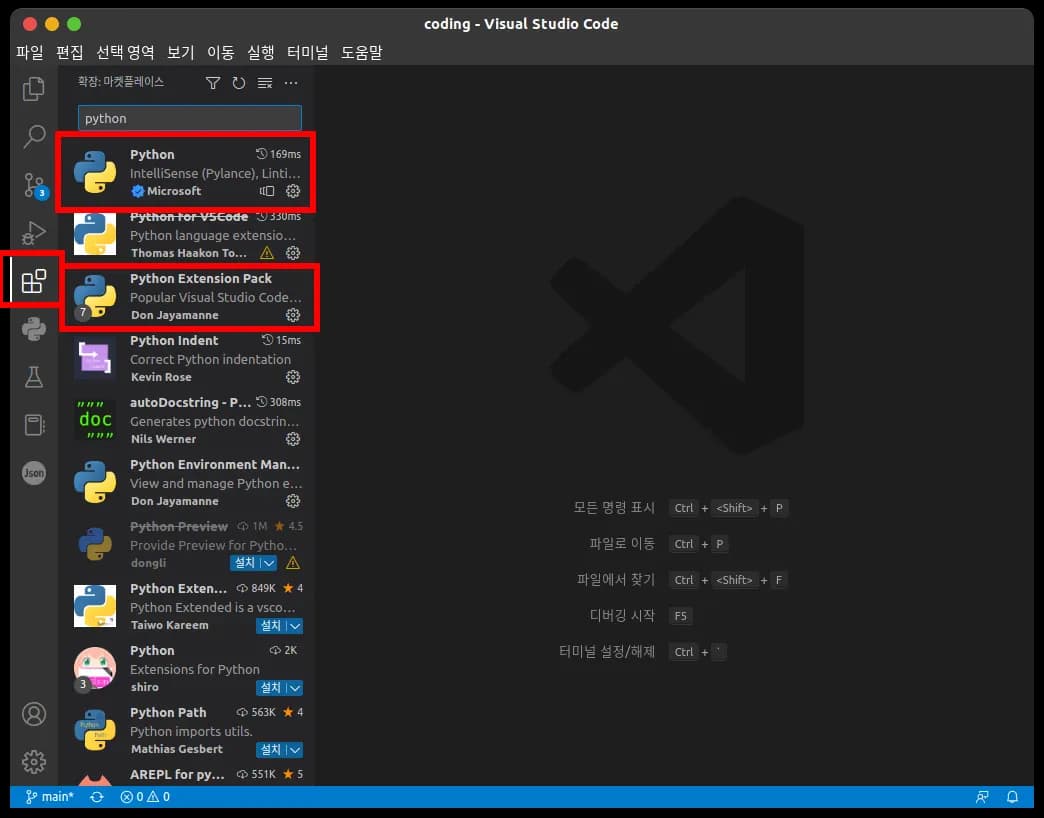
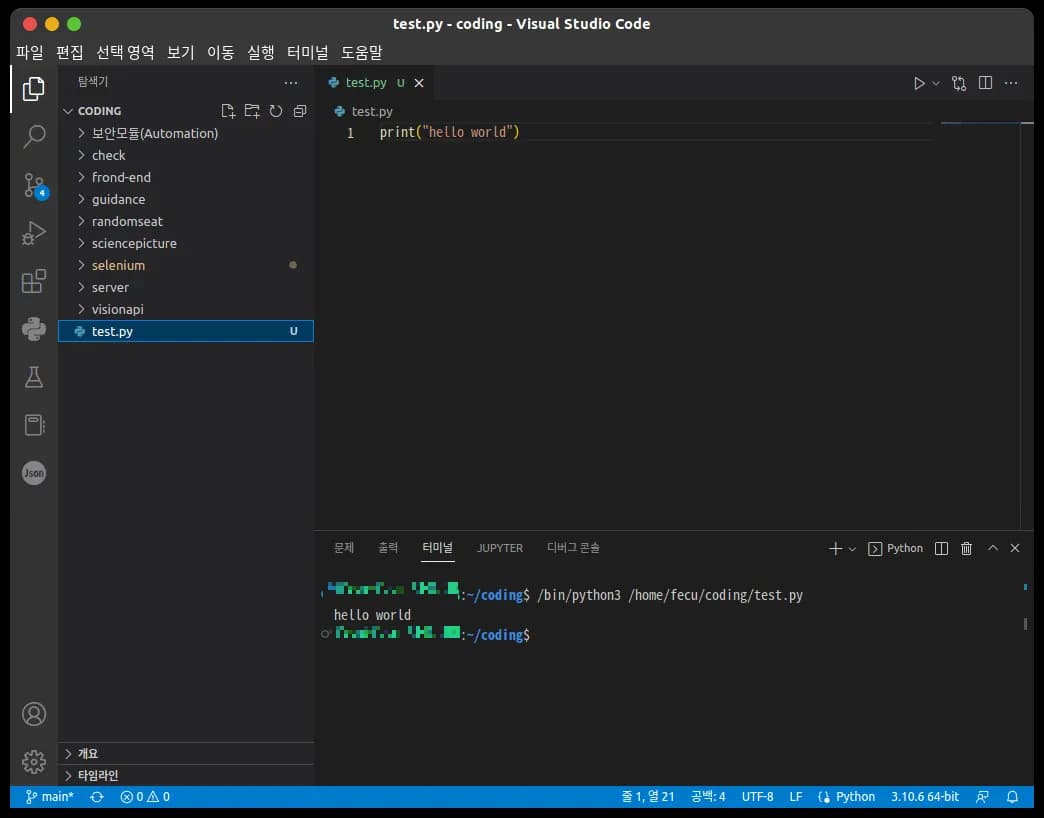
이렇게 한 후 test.py 파일을 만든 후, print를 통해 출력하면 터미널로 내용이 출력된다.
3. 파이썬 모듈 설치하기
먼저 실행한 터미널에서 다음 명령을 통해 pip를 설치해 준다. 파이썬 3.* 에서는 python3-pip를, python2.* 에서는 python-pip를 입력해주면 된다.
아마 VS Code를 이용해서 파이썬을 설치했다면 대부분 python3.* 버전일 것이다.
$ sudo apt install python3-pip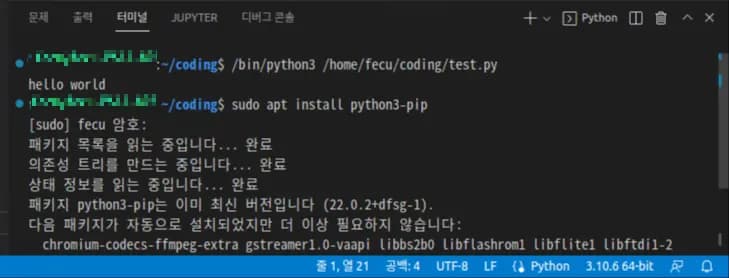
이제 pip3 명령어를 통해 셀레니움, 판다스 등의 모듈을 깔아줄 수 있다.
참고로 pip3 명령어를 할 때는 sudo를 붙여서는 안된다. 만일 셀레니움과 파이썬이 서로 호환되지 않다고 해도 sudo 명령어를 이용하면 모두 설치가 진행된다.
처음 리눅스를 깔았을 때 아무것도 모르고 파이썬 3.11버전을 다운받고 설치했는데, 리눅스 셀레니움은 아직 이를 지원하는 업데이트가 되지 않은 상태였다.
이때 sudo 명령어를 사용하니 셀레니움이 강제로 설치되었지만, 실제로는 모듈을 호출하거나 사용할 수 없었다.
pip3 install selenium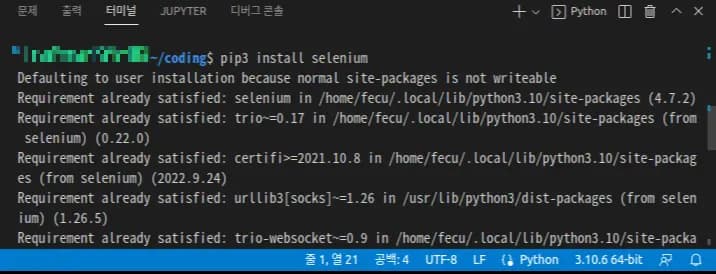
4. 글을 마치며...
리눅스를 처음 접해보니 패키지를 설치하고 설정하는 것까지 어느 하나 쉬운것이 없었다.
이건 아마 리눅스를 처음 접해서 생기는 문제라고 생각한다.
gnome 테마와 터미널을 함께 사용하면서, 어떻게 리눅스를 사용하는지 조금씩 배워나가면 앞으로 터미널만 있어도 리눅스를 잘 쓸수 있을 것이라 생각한다.




댓글을 불러오는 중...