Why Energy Transport Is Maximum at Mid-Latitudes - Earth Science

힘센캥거루
2021년 10월 26일(수정됨)
28
earth

When explaining energy transport to children, they sometimes ask questions like this.

Why is energy transport maximum at mid-latitudes?

Currently, the 2015 revised curriculum does not include problems of this type, but today, I suddenly want to write about why energy transport is maximum at mid-latitudes. That

is why I am going to use two practice test questions from Earth Science to explore this.

1. Energy Distribution by Latitude and Energy Transport

Why Energy Transport Is Maximum at Mid-Latitudes - Earth Science-1

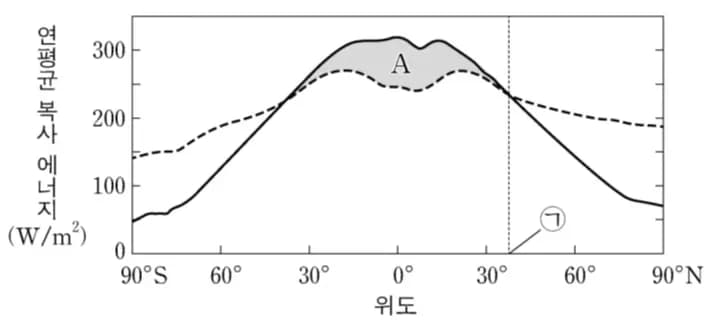
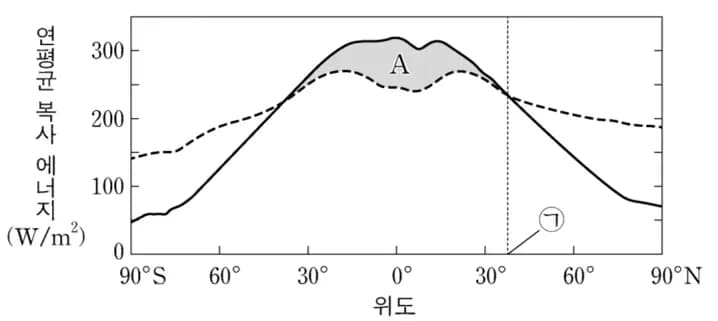
This image shows the annual average solar radiation energy absorbed and the annual average terrestrial radiation energy emitted by the Earth at various latitudes.

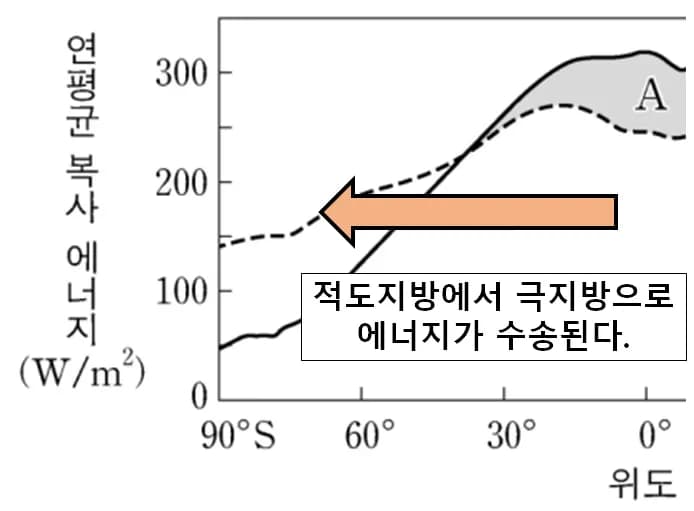
When looking at the energy distribution by latitude on Earth, low-latitude regions have an energy surplus while high-latitude regions have an energy deficit.

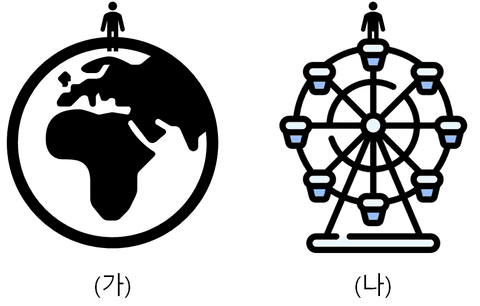
This phenomenon occurs because the Earth is spherical

Why Energy Transport Is Maximum at Mid-Latitudes - Earth Science-2

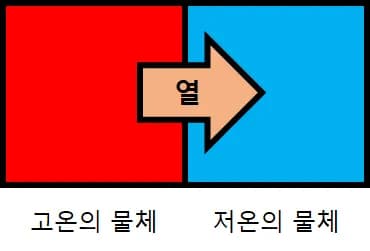
Just as energy moves when a hot object is placed next to a cold object, surplus energy is transported from low-latitude regions to high-latitude regions.

On Earth, since all substances that convey energy are fluids, energy is transported by convection, conduction, and radiation.

So why is energy transport maximum at mid-latitudes?

Why Energy Transport Is Maximum at Mid-Latitudes - Earth Science-3

2. Why Energy Transport Is Maximum at Mid-Latitudes

Why Energy Transport Is Maximum at Mid-Latitudes - Earth Science-4

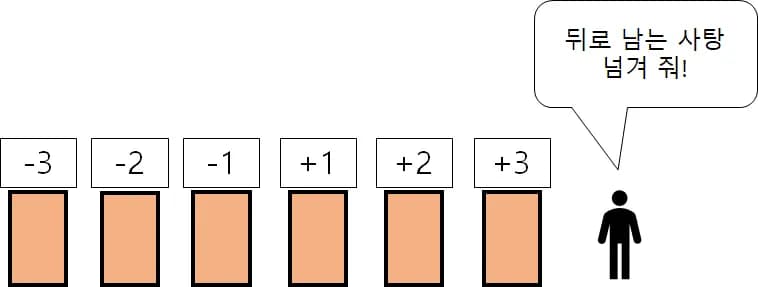
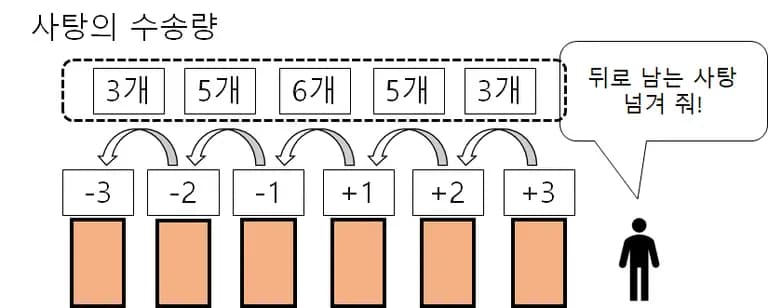
Let’s suppose a teacher distributes candies from front to back to each student at school.

The students in the front have slightly more candies by about 1-3, while those in the back have 1-3 fewer.

Think about the amount of candy moving between students in this situation.

Why Energy Transport Is Maximum at Mid-Latitudes - Earth Science-5

When candies are passed backward, the first student only gives away the 3 they have.

The next student adds 2 extra candies from their surplus and hands them off, and each successive student also adds their surplus.

Whenever a person with extra candies gives them away, the surplus accumulates.

When candies reach a student with a deficit, they give what they have plus any surplus.

The next student does likewise.

The point at which the maximum amount of candy moves is where the candy deficit is zero, at a balanced point, indicating maximum candy movement.

Why Energy Transport Is Maximum at Mid-Latitudes - Earth Science-6

Energy transport on Earth is similar to this example.

At points with excess energy, the surplus energy continually accumulates during transport.

Consequently, the energy transport is maximum at the equilibrium point where the incoming solar radiation equals the outgoing terrestrial radiation.

In high school courses, this is taught to be approximately at latitude 38 degrees.

3. North-South Annual Average Energy Transport Volume

Why Energy Transport Is Maximum at Mid-Latitudes - Earth Science-7

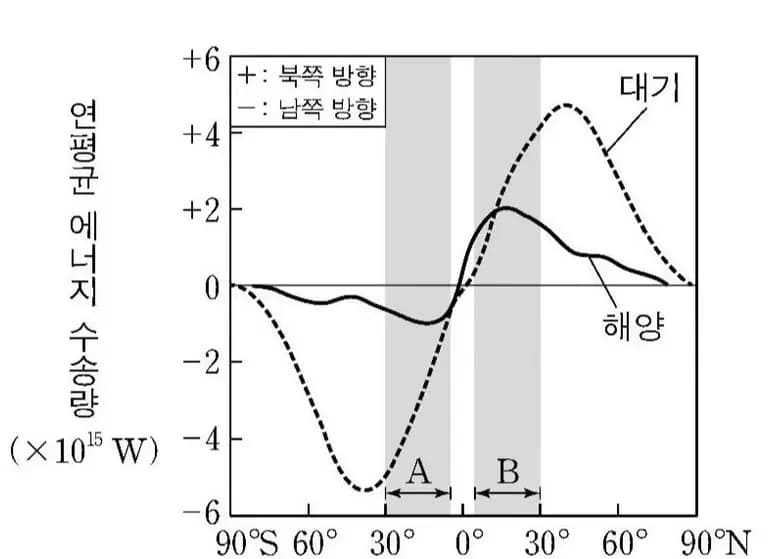
The diagram shows the north-south annual average energy transport volume in the atmosphere and ocean by latitude.

The transport amount and the points of maximum transport differ slightly between the ocean and atmosphere due to various factors such as transport methods, latent heat transfer, and ocean location.

Both the atmosphere and ocean transport energy from low to high latitudes, and the sum of their transport reaches a maximum around mid-latitude, about 38 degrees.

4. Conclusion and Summary

In the process of transporting energy from low to high latitudes, surplus energy accumulates, so the energy transport is maximum at the balance point where the solar radiation absorbed equals the terrestrial radiation emitted.

Today, I’ve elaborated on this simple sentence at length.

I hope it helps students who enjoy Earth Science.

댓글을 불러오는 중...